Table of Contents
Back in 2006, at the tail end of the American monoculture, more people watched the finale of American Idol than voted in the presidential election.
The show was an absolute cultural juggernaut. One of the hosts, Simon Cowell, was pulling in $36 million a year. A single thirty-second ad spot during the finale cost a staggering $750,000.
But just 10 years later, the original version of the show was dead.
The craziest part is that what typically kills a television show is not what killed American Idol. The core concept did not break. The audience certainly did not get tired of music.
This is the story of the rise and fall of American Idol, how it changed the music industry forever, and why the internet ultimately destroyed the very cultural fabric the show relied upon.
From Pop Idol to an American Phenomenon
The story of American Idol actually begins in London in 2001. A man named Simon Fuller, who used to manage the Spice Girls, built a show called Pop Idol for UK television.
On the surface, it looked like a simple talent show. But underneath, it was a brilliantly engineered business machine.

Fuller's company, 19 Entertainment, owned all of the backend economics. If a contestant wanted to be on the show, they had to sign to his label before they ever sang a note on television.
The TV show was essentially a free marketing vehicle to see if the public actually liked the artist. In the tech world, this is known as A/B testing at scale. You put a product in front of an audience, see what they respond to, and double down on the winner.
Before American Idol, music industry executives in expensive Los Angeles offices had to guess what the public wanted to hear. They had to spend millions of dollars recording and promoting an artist before they knew if anyone would buy the album.
Fuller completely bypassed this risk. The television network paid for the promotion, and the audience told the record label exactly who to invest in. It was absolute genius.
Because the United States is the largest consumer market in the world, Fuller knew he had to bring the concept across the pond. He pitched the show to every single major American television network. Every single one of them passed.
However, Fox was run by Rupert Murdoch, and his daughter Elizabeth had seen the show in the UK. She aggressively insisted that her dad bring it to the United States.
Murdoch reluctantly agreed, placing the show in the summer 2002 programming slot. In the television industry, the summer is traditionally considered a graveyard because most Americans are outside, not sitting in front of their TVs.
The premiere pulled in nearly 10 million viewers. By the time the finale aired, 22.8 million people were watching. It was the perfect blend of dramatic reality television mixed with musical talent. Most importantly, that first season produced a legitimate, enduring star in Kelly Clarkson. What started as a summer throwaway quickly became the number one show in the critical 18-to-49 demographic.
The Genius of the Two-Way Marketplace
What most people do not understand about the early days of American Idol is how incredibly lucrative the business model was. They made money coming and going. It was a massive two-way marketplace.
On the front end, the television network was bringing in mountains of advertising cash. Brands like Coca-Cola paid $35 million just to have their branded cups sit directly in front of the judges. But the real structural power was entirely on the back end.
19 Entertainment held massive leverage over every single artist who desperately wanted to be on television. To get on the show, contestants signed contracts that locked them into highly one-sided deals. The company took a massive cut of record sales, touring revenue, and merchandise, often locking the artist in for years into the future.
These deals were so notoriously restrictive that artists eventually had to fight their way out. In 2007, Kelly Clarkson actually had to sue to get out of her original contract.
Reports indicated she would go home crying at night because the deal was so incredibly one-sided. She eventually settled quietly, but rumors suggest she paid a very steep price to gain her independence.
By 2005, seeing the massive tidal wave of money flowing in, Simon Fuller decided to cash out. He sold 19 Entertainment, the company that owned all those lucrative backend deals, for $200 million while continuing to produce the actual television show.
The Peak of the American Monoculture
By the time Season 6 rolled around in 2008, the show hit a peak average viewership of 30.6 million people per episode. The Season 5 finale saw 36 million people tune in.
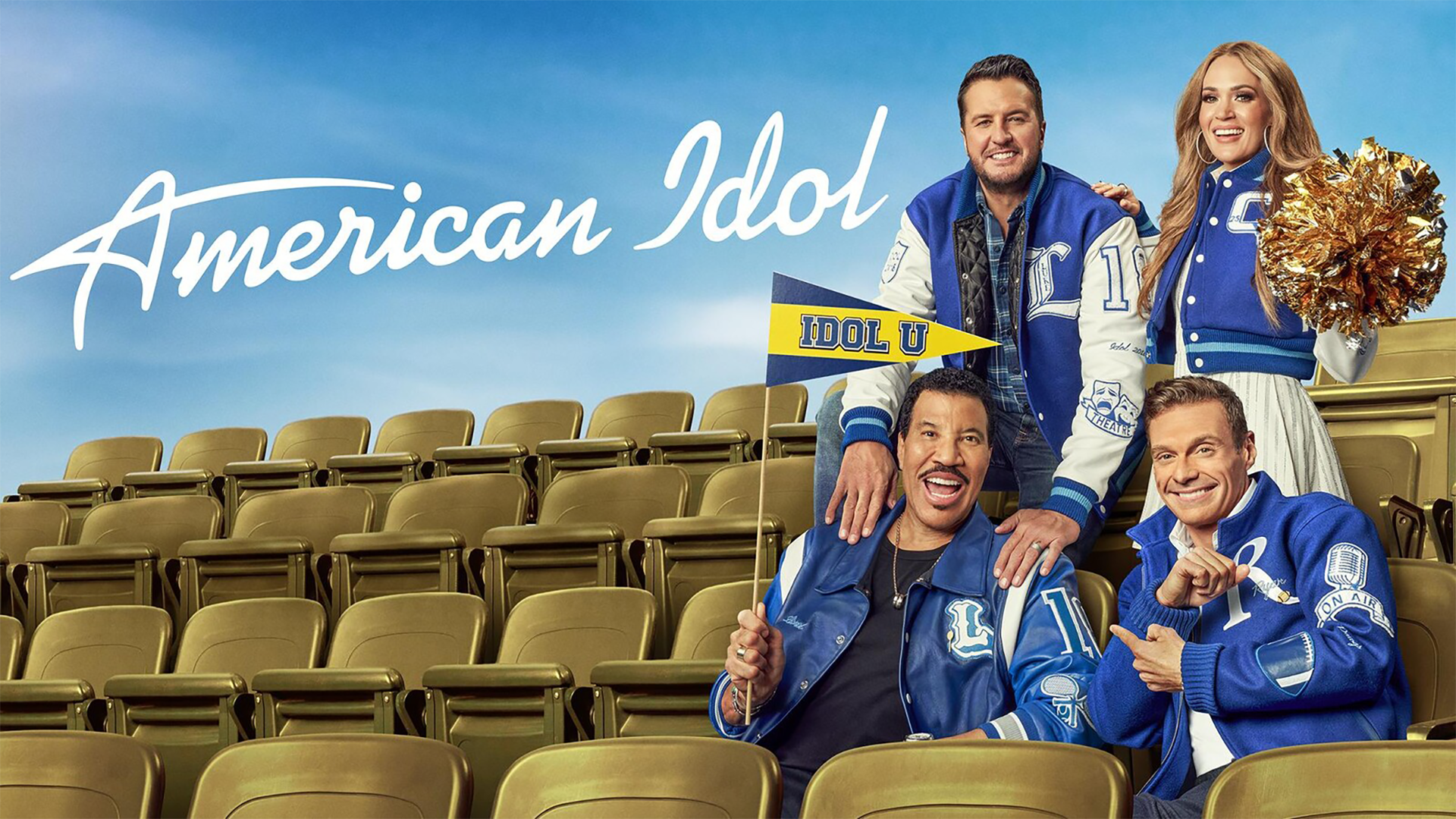
The numbers were staggering. For context, in the 2008 Democratic primary, roughly 36 million people cast a vote. For the finale of American Idol, 97 million votes were cast.
Because voting was largely done via text message, the show even figured out how to monetize the voting process itself. They struck a massive deal with AT&T, where the show actually got paid a small cut for every single text message sent by a viewer.
Money was flying around at such a ridiculous rate that Fox was reportedly making a 50 percent profit margin on those massive $750,000 ad spots. Simon Cowell was making $36 million a year. Host Ryan Seacrest was pulling in $15 million a year.
The show became an incredible launchpad. Artists like Carrie Underwood, Chris Daughtry, and Adam Lambert used the platform to build massive careers.
If American Idol had simply been a standalone record label, it would have been one of the most productive and successful labels in the history of the American music industry in just a few short years.
But this incredible level of popularity started to mask a very interesting problem that would eventually kill the show.
The Boring Era and the Death of the Gatekeeper
The cracks started to show in 2009 during Season 8. Adam Lambert was arguably the most naturally talented contestant the show had seen in years. However, he was beaten in the finale by a guy named Kris Allen.
The show had become so massive and culturally broad that only the most mainstream, widely appealing, safe contestants were winning. The actual talent was taking a backseat to simple television popularity. Because of this, the show started to get incredibly predictable and boring.

Simon Cowell is a very smart businessman, and he saw the writing on the wall. In 2010, he made a shocking decision. He walked away from his $36 million a year salary to launch and own 100 percent of a new show called X Factor USA.
Around the same time, co-host Paula Abdul wanted $20 million a year to stay on the show. Fox offered her $10 million, so she walked away as well. In a bizarre move, the network replaced her with Ellen DeGeneres, someone who publicly admitted she knew absolutely nothing about the music industry.
Fox failed to understand that reality television shows rely heavily on the chemistry and consistency of their judges to maintain drama. By letting Cowell and Abdul leave, and by keeping the core format completely stale, they left the door wide open for competitors.
In April 2011, NBC launched The Voice. This new show completely flipped the script. It was heavily focused on the celebrity coaches rather than just the contestants. With spinning chairs, dramatic blind auditions, and massive red buttons, it offered exactly the kind of fresh television drama that American Idol was severely lacking.
Over the next few years, American Idol's viewership plummeted by over 80 percent. Those massive $750,000 ad spots eventually crashed down to roughly $150,000 by the final season on Fox.
But the biggest factor in the fall of American Idol was something completely out of their control. The show was built on a concept called the American monoculture.
From the 1970s through the early 2000s, Americans largely watched the exact same television shows, listened to the same radio stations, and read the same newspapers. We all experienced the same media at the same time.
The internet completely destroyed that monoculture. People no longer had to gather around the water cooler to talk about what happened on live television the night before. Viewership splintered across a million different YouTube channels, streaming services, and social media platforms. American Idol was arguably the last massive gasp of a true monocultural event in the United States.
By May 2015, Fox officially announced the cancellation of the show. One anonymous network executive even admitted they probably should have canceled it three years earlier, but they rode the dying wave a bit too long.
Frequently Asked Questions
Why did American Idol get canceled on Fox?
How did American Idol make so much money?
Why did Kelly Clarkson sue American Idol?
What is the American monoculture?
Is American Idol still on TV today?
Conclusion
The rise and fall of American Idol is a fascinating lesson in how technology completely changes the business landscape. The show brilliantly capitalized on a time when television network executives acted as the ultimate gatekeepers to fame. They built a massive financial empire by testing artists on live television and locking them into highly profitable backend deals.
However, they failed to innovate their format when competitors arrived, and they were ultimately outpaced by the internet, which shattered the American monoculture forever. Today, artists no longer need a massive television show or a demanding gatekeeper to find an audience, proving that in business, you must adapt to how people consume media or risk becoming entirely irrelevant.