Table of Contents
In November 2024, a PlayStation user noticed something strange. While logged into their account, the critically acclaimed game Astro Bot was listed on the PlayStation Store for $44.99. But when they logged out, the price jumped to $59.99. They shared their findings on Reddit, and many dismissed it as a weird glitch or a targeted discount.

However, a year later, another post surfaced. This time, it was Red Dead Redemption 2. The user was in the same region, using the same PlayStation console, but seeing two completely different prices. More of these instances began to pop up.
Then, PSprices, a platform that tracks PlayStation Store pricing, revealed the truth. Sony had been secretly experimenting with dynamic pricing. Two different users could be given completely different discounts for the exact same game.
Is this even legal? Unfortunately, this is just the beginning. Sony is trying to squeeze its install base, and something far bigger is forcing their hand. A gigantic battle over the very nature of discounts is just beginning, and some companies are doing much worse than Sony. Here is what is actually going on.
The Secret Experiments on the PlayStation Store
The team at PSprices noticed something highly unusual. The store's public-facing API started including weird tracking strings. First, they saw "IPT_OPR_TESTING" attached to 17 games across 42 regions. Then came "IPT_PILOT," affecting 139 games in 68 regions, many of which were Sony's own first-party titles. Finally, a US-only string called "IPT_LTM" appeared, attached to 104 games.
These strings revealed that users were being secretly assigned to control and test groups. Depending on which group you were placed in, you might see a standard price or an experimental price. This explained why a user and his wife could see different prices while living in the same house and using the same currency.
During the February PlayStation Store sales, experiment participants received drastically different discount percentages than regular users. For example, Helldivers 2 was sold to regular users at a 25% discount, while those in the experiment group saw a 56% discount.
The US-specific "IPT_LTM" string was even testing discounts against each other. The retail price for Grand Theft Auto V was $39.99. Some users saw a discount to $29.99, while others were offered $26.99.
Dynamic Pricing vs. Price Elasticity
People are calling this "dynamic pricing," but that is not entirely accurate. True dynamic pricing fluctuates based on real-time demand, much like surge pricing for an Uber or hotel rooms during a major sporting event.
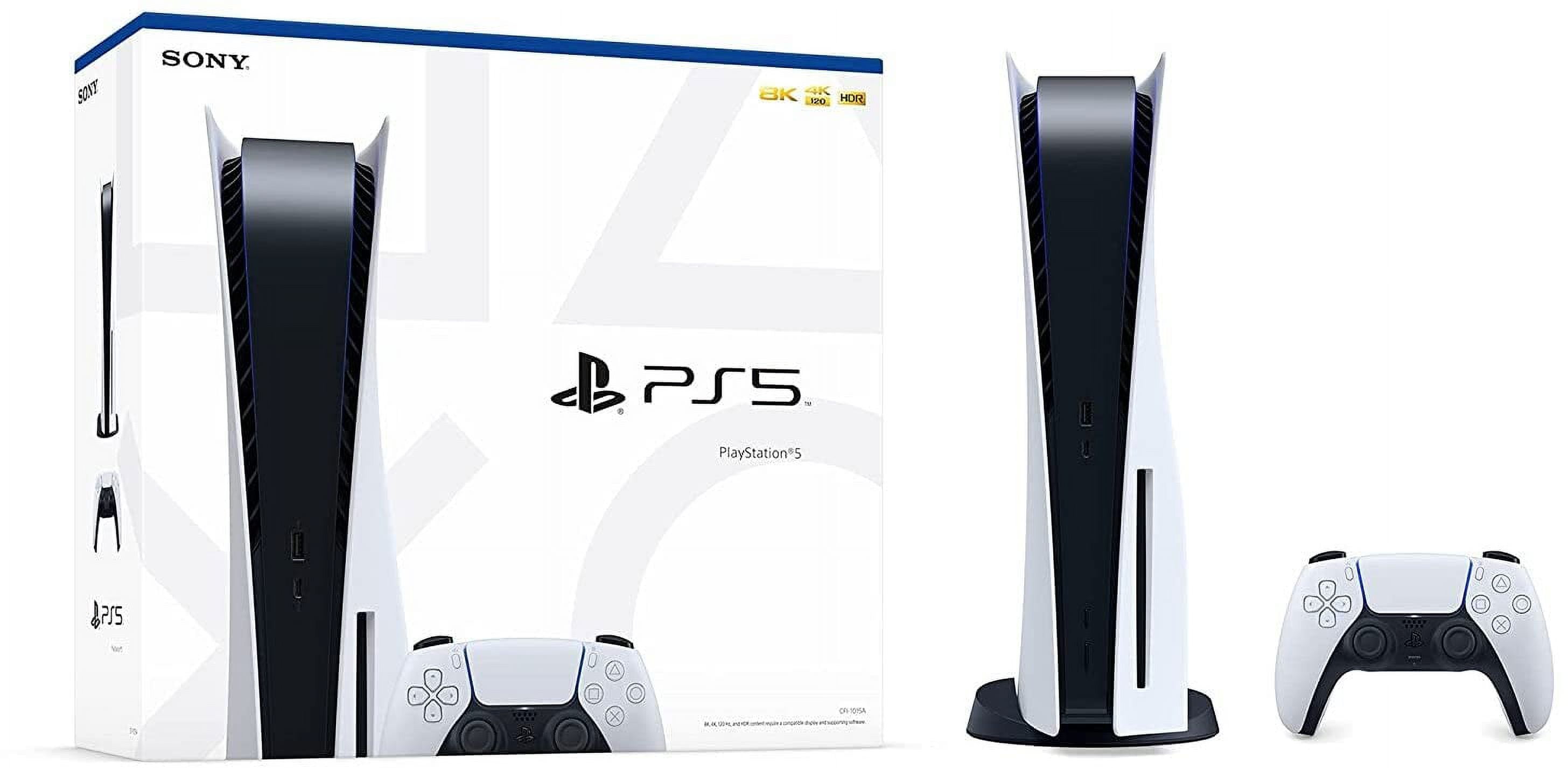
To be clear, no one was being charged above retail price. Some users were simply getting bigger discounts than others. What Sony is actually doing is testing price elasticity.
Businesses use A/B testing to figure out how sensitive consumers are to price changes. Sony is trying to determine exactly how much they need to lower a price to convince you to buy a game. They want to know who will pay full price and who needs a larger discount to make a purchase.
This type of pricing strategy already exists. Airlines do it constantly, which is why passengers often pay different amounts for the exact same flight. Amazon and other major retailers also use targeted discounts based on shopping behavior.
However, this feels different for video games. There is an unspoken social contract with a digital storefront. Consumers expect uniformity; everyone should see the same discount. Furthermore, Sony holds a strong monopoly over the PlayStation Store. You either pay the price they offer or you do not buy the game.
Most importantly, price elasticity is usually tied to supply. Digital games have infinite supply. There are no limited seats on a plane to fill. This raises a major question: what determines which group you are placed in? Is it random, or is it tailored based on your past purchasing behavior? Gamers are understandably frustrated.
The Global Memory Shortage Squeezing Sony
Why is Sony doing this now? The answer lies in the hardware market. Sony is caught in the middle of a massive change in the tech industry, driven by the rise of artificial intelligence.
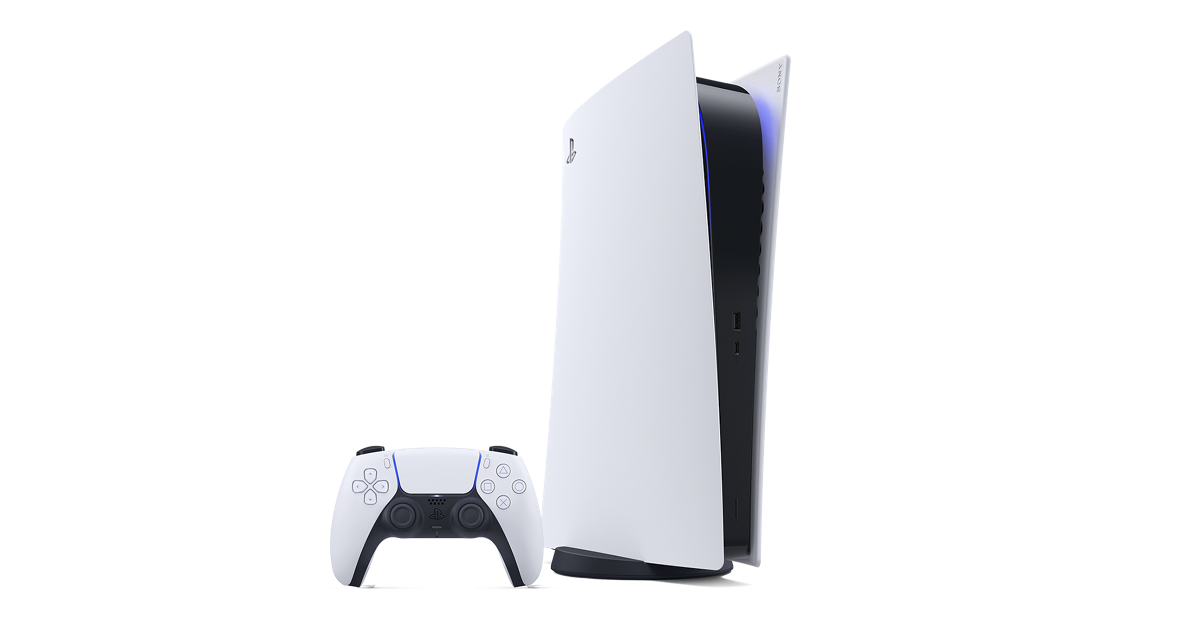
AI companies like NVIDIA, Google, and Microsoft are paying premium prices for high-speed memory at a scale that consumer electronics manufacturers simply cannot match. These AI giants are buying High Bandwidth Memory (HBM). Consoles like the PlayStation 5 use a different type of RAM called GDDR. Because manufacturers are prioritizing HBM production for AI, they are neglecting other types of RAM.
Micron, the third-largest RAM supplier, has completely left the consumer market. With not enough supply to go around, prices have skyrocketed. DRAM contract prices were revised upward from an estimated 55-60% increase to a staggering 90-95% increase.
Sony is facing a severe problem. In November 2025, Sony CFO Lin Tao told investors that the company had secured just enough memory supply to keep PS5 hardware profitable, but only through March 2026. Anything after that was uncertain.
To make matters worse, PlayStation hardware margins are already incredibly thin, sitting under 10%. With component prices rising, Sony had to make a move to protect those margins.
Prioritizing the Install Base and Price Hikes
While Sony as a whole is not struggling, the uncertainty ahead provides context for their recent decisions. During Sony's Q3 earnings call in February 2026, right as their guaranteed RAM supply was ending, CFO Lin Tao stated that the company intended to minimize the impact of increased memory costs by prioritizing the monetization of their current install base.
The "install base" refers to the people who already own a PS5. Sony takes a 30% cut from every purchase made on the PlayStation Store. By testing price elasticity, they are trying to extract more revenue from this high-margin area to offset the shrinking hardware margins.
This strategy culminated in a massive announcement on March 27th, 2026. Isabelle Tomatis, VP of Global Marketing, announced global price increases for the PS5 console line.
- PS5 Disc Edition: Increased from $549.99 to $649.99
- PS5 Digital Edition: Increased from $499.99 to $599.99
- PS5 Pro: Increased from $749.99 to $899.99
Since its launch in November 2020, the PS5 Disc Edition has jumped from $499.99 to $649.99. The PS5 Pro, which launched at $699.99 in late 2024, is now $899.99. Consoles are historically supposed to get cheaper over time, not appreciate in value.
The Rise of Surveillance Pricing
Sony's opaque pricing experiments are becoming increasingly common across various industries. A massive battle is waging over the nature of sales and discounts. While Sony is only varying discounts, many companies will secretly charge you more based on your data.
This is known as surveillance pricing. It is not based on general demand or time of day; it is based on you.

- Instacart: Used AI price experiments where prices differed by up to 23% per item depending on the user.
- Target: Their app has displayed higher prices on products when the user was physically inside the store compared to when they were in the parking lot.
- Staples: Has charged more if a user has fewer options, such as not being physically located near a competitor.
- Hotels: Prices in Manhattan jumped by as much as $511 per night when users browsed from a Bay Area IP address compared to a Phoenix IP address.
This practice has started a legal war. Lawmakers across the United States have introduced more than 70 bills targeting surveillance pricing in travel, groceries, rentals, and now gaming.
On March 5th, 2026, the House Oversight Committee formally launched an investigation, demanding documentation from major platform companies regarding their pricing algorithms. They noted that surveillance pricing often takes place in a "black box" environment where consumers do not know they are being subjected to personalized pricing or what personal information is driving those prices.
Maryland recently passed the Protection From Predatory Pricing Act, banning retailers and delivery services from using personal data to tailor prices. More than a dozen other states have similar bills pending.
While Sony's pricing experiments might not be as malicious as charging based on income or location, it operates on the same premise. The worst part of these strategies is the lack of transparency. When customers operate in a "black box" without clear information, they ultimately lose, spending more money for a worse experience.
Frequently Asked Questions
What is dynamic pricing on the PlayStation Store?
Why did the PS5 price go up?
Is dynamic pricing the same as surveillance pricing?
Why is Sony testing price elasticity?
Is surveillance pricing legal?
Conclusion
The discovery of dynamic pricing experiments on the PlayStation Store highlights a shifting landscape in digital retail. As Sony grapples with global supply chain issues and shrinking hardware margins, they are leaning harder on their existing users to generate revenue.

However, these hidden A/B tests blur the line between standard business practices and the growing, controversial trend of surveillance pricing. As lawmakers step in to investigate these "black box" algorithms, the battle over how companies are allowed to price their products is only just beginning.