
Are You Waiting for the Phone to Ring?
Getting fresh leads for your window repair business is tough when you just wait for the phone to ring. Relying on word of mouth is fine if you are on a small schedule, but for a growing company, waiting is just an extra burden.
Luckily, there is paid advertising, a saviour for home service businesses. A balanced ad strategy is like a magnet. It pulls in customers who need your help right now and helps you fill up your weekly calendar.
If you plan to get serious about your marketing, you should take these considerations carefully. In this post, I am going to share my exact framework for building an omnichannel paid ads system for your window repair company.
💡 The Marketing Trifecta
While PPC delivers high-intent leads instantly, it should always be supported by strong organic search and community presence. Ensure you read our Complete Window Repair SEO Guide to capture free local traffic, and implement our Window Repair Social Media Strategy to foster trust and showcase your portfolio!
📊 The Current Omnichannel Ads Landscape for Window Repair
The old way of advertising was just putting your name in a phone book and hoping for the best. Today, the internet is where everyone searches when they have a broken window. But relying on just one platform is a mistake. The modern media buying environment is all about balance. You need to balance capturing high intent on Google with building awareness on social media like Facebook and TikTok.
When a heavy storm hits and someone's living room window shatters, they go straight to Google. They type "emergency window repair near me." This is called high-intent search. On the other hand, someone might have a foggy, drafty window they have ignored for months. They are not searching on Google yet. But if they see a great before-and-after video on their Facebook feed, they will click it and book an appointment.
Using both Search and Social platforms together is known as an omnichannel strategy. Furthermore, tracking where these leads come from is evolving. With new privacy rules, it is harder to see which ad caused a sale. Hence, we use advanced tracking setups to map out the entire customer journey from the first click to the final invoice.
How much does advertising for window repair companies cost?
This is the most common question every business owner asks. The cost of your ads depends on your location, your competition, and the platform you choose. On average, the Cost Per Click (CPC) for home improvement terms on Google is around $7.85 in the US.
If you run your campaigns poorly, your Cost Per Lead (CPL) can easily shoot up to $345. But if you follow a proper strategy, a healthy CPL for window repair and replacement is between $65 and $150.
Your monthly budget should match your growth goals. A great starting budget is between $1,500 and $4,000 (£1,200 to £3,200 or $2,200 to $6,000 AUD). If your average replacement project brings in $10,000, paying $150 to acquire that customer is an amazing return on your money. The trick is not to spend less, but to spend smarter by fixing your campaign structure.
The 10-Step Omnichannel Ads Blueprint for Window Repair
1. Omnichannel Synergy
Getting leads from just one platform is a big risk. If you only run Google Ads, your business stops when the search volume drops during slow seasons. Relying on a single source of traffic means you miss out on thousands of people who need your service but are not actively searching for it right now.
To fix this, you need to balance Google and Meta ads together. Google captures the people who have a broken window and need it fixed today. Meta builds awareness for people who have a drafty window and have been ignoring it for months. You show them a video on Facebook, and they finally decide to call you.
Using both platforms together is a great strategy. It lowers your overall cost to acquire a customer. When people see your ads on Facebook and then search for you on Google later, your brand looks trustworthy, and your sales go up.
2. Search Campaign Architecture
Most new advertisers fall into the trap of using broad match keywords on Google Ads. If you bid on the broad term "window replacement," Google will show your ad to people searching for "car window replacement" or "how to replace a window yourself." You end up paying for useless clicks that will never turn into paying jobs.
The best solution is to structure your campaigns using exact match and phrase match keywords only. You should create separate ad groups for different services. For example, make one ad group for "broken glass repair" and a totally different one for "home window installation."
This structure makes your ads highly relevant to the searcher. When the ad matches exactly what the person typed, Google rewards you with a lower cost per click. Plus, your conversion rates will increase because you are giving the customer exactly what they asked for.
3. Paid Social Audience Targeting
Wasting money on Facebook ads is easy if you show them to the wrong people. If your ads are shown to teenagers or people who rent apartments, they will never buy window repair services from you. Poor targeting leads to a high spend with zero phone calls.
The proper fix is to use tight radius targeting and homeowner data. On Meta and TikTok, you should set your location to a 10 to 20-mile radius around your shop. Also, use custom audiences by uploading a list of your past customers. The platform will find new people who look just like your best buyers.
This specific targeting helps you reach the exact demographic that owns a home and has the money to pay for repairs. The clicks on social media are usually much cheaper than Google, giving you a steady stream of low-cost inquiries.
4. Google Local Services Ads
Competing with massive corporate budgets on regular search ads is tough. Sometimes, the big national window companies bid so high that smaller local businesses are pushed down to the bottom of the page. If your ad is not at the very top, nobody will click it, and you get zero calls.
The solution is to use Google Local Services Ads (LSAs). These ads appear at the very top of Google, above the regular search ads. They show your business name, reviews, and a green "Google Guaranteed" badge.
The best part about LSAs is the pricing model. You only pay when a customer actually calls you or sends a text message. You do not pay for useless clicks or website visits. This helps you save your budget and guarantees that your money is spent on real leads.
How do I set up Google Local Services Ads for window repair?
Setting this up is quite simple but requires some paperwork. First, you create an LSA profile and submit your business license and insurance details. Next, Google runs a background check on your business owners and field workers using a third-party service. Once approved, you simply set your weekly budget and your ads go live within a few days.
5. Automated Bidding Strategies
Adjusting your bids manually every single day is a waste of time. Human brains cannot calculate all the data points like time of day, device type, and location fast enough. If you try to guess the right bid, you will either bid too high and waste money or bid too low and lose the auction.
You should switch your Google and Meta campaigns to automated bidding strategies. Once you have at least 30 conversions in your account, turn on Target CPA (Cost Per Acquisition) or Target ROAS (Return on Ad Spend). You just tell the system how much you are willing to pay for a lead, and the computer does the rest.
These algorithms process millions of signals in real-time. They will automatically bid higher for a user who is very likely to call you, and bid lower for someone who is just browsing. This keeps your costs stable and maximizes your profit.
6. Ad Copy & Creative Testing
Boring text ads and generic stock photos get ignored. If your ad looks exactly like the five other window repair companies in your city, the customer has no reason to click yours. Weak ad copy is the main reason for a low Click-Through Rate (CTR).
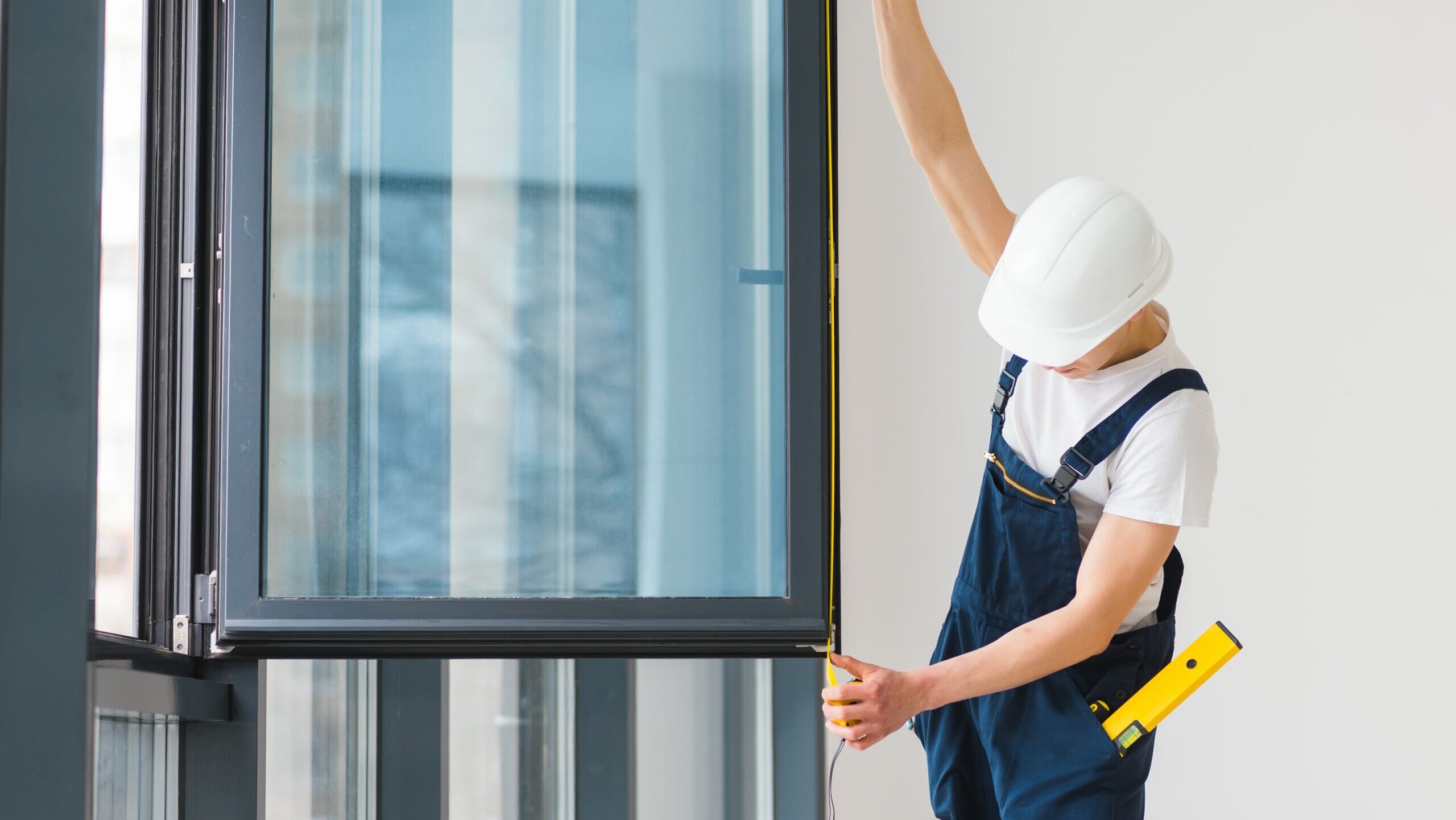
To fix this, you need to test different creatives. On Google Search, use strong hooks in your headlines, like "Same-Day Emergency Glass Repair" or "$0 Down Financing." On Meta and TikTok, use real User-Generated Content (UGC). Record a simple video on your phone showing your team removing a shattered window and installing a clean, new one.
Great creatives act as a filter. They grab the attention of the right homeowner and build trust instantly. When your CTR goes up, the ad platforms charge you less money for every click because they see that people like your ads.
7. Landing Page CRO
Sending paid traffic to your general home page is a huge mistake. Home pages have too many buttons, links, and distractions. If a customer clicks an ad for "foggy window repair" and lands on a page talking about doors and roofing, they will get confused and leave immediately.
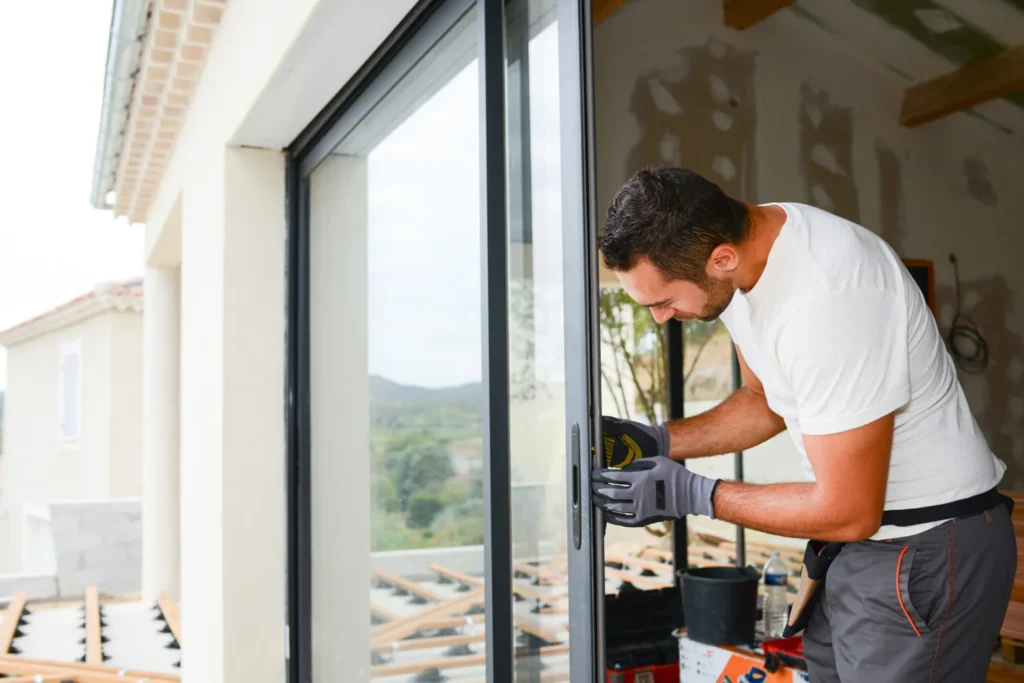
You must build dedicated landing pages for your specific ad campaigns. This process is called Conversion Rate Optimization (CRO). If the ad talks about broken glass, the landing page must only talk about broken glass. It should have a clear phone number at the top and a simple contact form.
A dedicated landing page makes the customer's journey easy and neat. They find exactly what they are looking for without searching around. This simple change can double your lead volume without spending an extra dollar on ads.
8. Cross-Platform Retargeting Sequencing
Most people do not buy a $5,000 window replacement on the first click. They visit your website, look at the prices, and then leave to think about it. If you do not follow up with them, you have just wasted the money you spent to get them there in the first place.
You need to set up cross-platform retargeting sequences. If someone visits your landing page from a Google Search ad but does not call, you should automatically show them a retargeting ad on Facebook the next day. This ad can offer a special discount, like "Get 10% Off Your First Window Repair," to bring them back.
This sequencing keeps your business at the top of their mind. By the time they are ready to make a decision, they will remember your brand. Retargeting clicks are incredibly cheap and convert at a very high rate.
9. Server-Side Tracking & Attribution
Standard tracking pixels are breaking. With recent Apple iOS updates and ad blockers, your Facebook and Google accounts are missing a lot of data. If the platforms cannot see when a lead is generated, they cannot optimize your ads properly, leading to expensive and poor results.
The solution is to implement Server-Side Tracking using a Conversions API (CAPI). Instead of relying on the user's browser to send the data, your own website server sends the conversion data directly back to Google and Meta.
This ensures that every single lead, phone call, and form fill is tracked perfectly. When the ad algorithms receive 100% accurate data, they get much smarter. They learn exactly who your best customers are and go out to find more of them at a lower cost.
10. Brand Conquesting & Defense
Competitors love to steal your hard-earned traffic. When someone hears about your great window repair service from a friend, they will search your company name on Google. If your competitors are bidding on your name, their ad will show up above your website, and they will steal your lead.
You must create a specific search campaign just to defend your own brand name. Bid on your exact company name and variations of it. Include your phone number as an extension so people can call you right from the search results.
This protects your cheapest and most valuable leads. Clicks on your own brand name are very cheap, usually just a few dollars. It gives you sound sleep knowing that your competitors are not stealing your referrals.
Why are my window repair PPC leads so expensive?
Your leads are expensive because you are likely using broad match keywords, sending traffic to a generic home page, or letting competitors outbid you on high-intent terms. If you do not have a negative keyword list blocking words like "auto" or "DIY," you are paying for clicks that will never convert. Following the 10 steps above will fix these leaks and drop your costs.
The Essential 5-Tool Paid Media Stack 🛠️
To run this omnichannel strategy perfectly, you will need the right software. Here are five tools that are absolutely essential right now.
1. CallRail
A call tracking software that assigns unique phone numbers to your different ad campaigns.
- •Dynamic number insertion.
- •Call recording.
- •Keyword-level attribution.
- ✓Shows you exactly which Google ad led to a phone call.
- ✗Can get pricey if you have a massive amount of call volume.
2. Unbounce
A simple drag-and-drop landing page builder designed for high conversions.
- •A/B testing.
- •Mobile-responsive templates.
- •Fast loading speeds.
- ✓You can build a dedicated window repair page in 30 minutes without a developer.
- ✗The advanced features require a higher pricing tier.
3. ClickCease
A click fraud protection tool that stops fake clicks from draining your budget.
- •Blocks competitors, bots, and click farms automatically.
- ✓Saves you a lot of wasted ad spend on Google Ads.
- ✗Sometimes blocks legitimate users if they click your ad too many times.
4. Triple Whale
An advanced tracking and attribution dashboard for your omnichannel ads.
- •First-party data tracking.
- •Server-Side API integration.
- •Profit tracking.
- ✓Gives you a clear picture of exactly which platform is making you money.
- ✗Primarily designed for e-commerce, so setting it up for lead generation takes some tweaking.
5. GoHighLevel
An all-in-one CRM and marketing automation platform for local businesses.
- •Automated text follow-ups.
- •Pipeline management.
- •Review requests.
- ✓Helps you contact every single PPC lead within five minutes automatically.
- ✗The interface can be overwhelming for beginners to learn.
Case Study 1: How Central Glass Inc. Scaled ROAS on Google Ads
Central Glass Inc., a local window repair shop, was struggling with high Google Ads costs. They were spending a large budget but getting very few actual jobs. The problem was their campaign structure. They were using broad match keywords for "glass repair." As a result, people searching for "auto glass repair" and "cheap glass cutting" were clicking their ads, which wasted their daily budget fast.
Action The Execution:
They decided to rebuild their Search campaigns. They paused the broad terms and created highly specific exact match and phrase match ad groups. They separated the campaigns into "tempered window replacement" and "laminated glass repair." This allowed them to match the exact intent of the customer. They also added hundreds of negative keywords to block bad traffic.
📈 The Results:
This simple fix was incredibly successful. Their Cost Per Acquisition (CPA) dropped from a painful $345 down to just $85 per lead. By targeting specific repair intent, their Return on Ad Spend (ROAS) scaled massively. They saved thousands of dollars and were able to hire two more installers to keep up with the new work.
Case Study 2: How Window World Slashed Acquisition Costs with Paid Social
Window World wanted to get more leads without increasing their Google Search budget. Search clicks were getting way too expensive in their local area, sometimes reaching $15 per single click. They needed a cheaper way to find homeowners who wanted new windows but were not actively searching yet.
Action The Execution:
They decided to launch Meta Advantage+ campaigns on Facebook and Instagram. They used tight radius targeting to show ads only to people within a 20-mile radius of their main office. Instead of boring text, the ads featured simple before-and-after videos recorded on a mobile phone. The videos showed dirty, drafty old windows being ripped out and replaced with shiny, energy-efficient new ones.
📈 The Results:
This strategy completely slashed their acquisition costs. Because the videos were so engaging, the cost per click dropped to under $2. The cost per lead on Meta dropped to just $45. Homeowners loved seeing the real-life transformation videos, which built massive trust before they even picked up the phone to call the office.
Future-Proofing Your Ad Campaigns
The world of paid advertising changes fast. Privacy laws are getting stricter, and tracking users is becoming more difficult every year. To survive, you must stop relying entirely on third-party cookies. You need to focus on collecting your own first-party data. Every time you get a customer's email or phone number, keep it safe in your CRM.
Also, embrace AI automation instead of fighting it. The algorithms on Google and Meta are getting smarter than any human media buyer. Feed these systems with excellent creative videos and perfect Server-Side Tracking data, and let them do the heavy lifting. By combining great creatives with solid tracking, your window repair business will stay ahead of the competition for years to come.