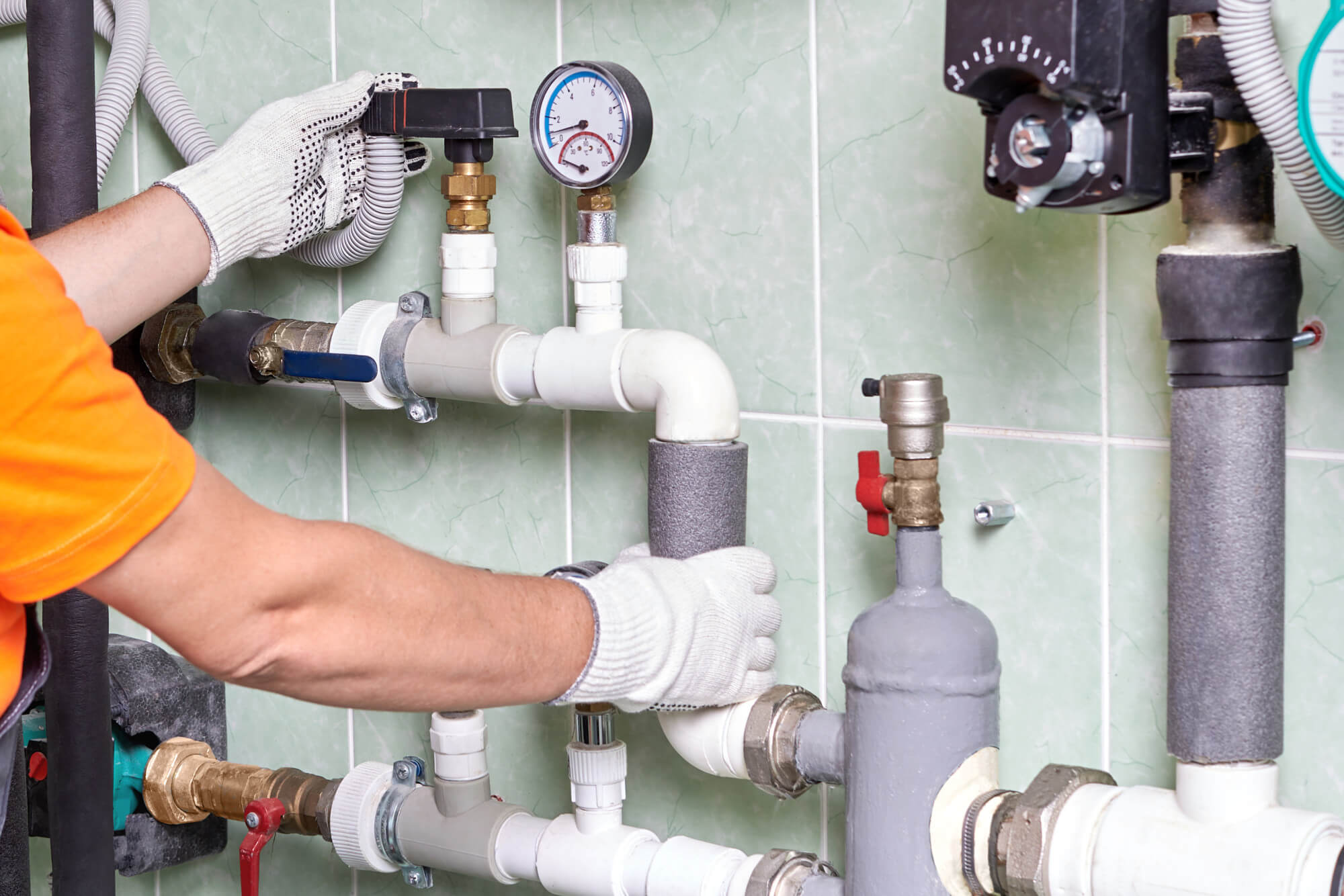
The Truth About Growing Your Plumbing Business
Going for a plumbing job is the perfect way to help your local community. Sometimes all we need to do is fix a leaking pipe, unclog a tough drain, and save a home from water damage. The only hassle while running a plumbing business is getting the phone to ring consistently.
Luckily, we have paid ads these days. They are fast, portable, and highly targeted. One can set up a PPC campaign on a laptop and get calls from customers who need an emergency fix right away. Paid ads assure a safe, sound, and comfortable stream of new jobs for your trucks. They provide a temporary lifeline or a long-term business strategy to help us spend our days doing what we love. They protect us from slow seasons along with the stress of empty daily schedules.
If you are planning to go for business growth and need a paid ads strategy, this article will help give you insights into plumber PPC in the current market. We have shortlisted the best strategies based on their various features. These methods are thoroughly tested and reviewed.
💡 The Marketing Trifecta
While PPC delivers instant jobs, it should always be supported by strong organic search and community presence. Ensure you read our Complete Plumber SEO Guide to capture free local traffic, and implement our Plumber Social Media Strategy to foster trust and community engagement!
📊 The Current Situation for Paid Ads in Plumbing
If you want to know what is happening with plumber ads, you should look at the latest numbers. The cost of running Google Ads has gone up. According to recent industry benchmark data, the average Cost Per Click (CPC) for a plumber is now $10.49. If you want an actual lead, the average cost per lead (CPL) sits around $129.02.
Homeowners act differently now compared to just a few years ago. When a pipe bursts in the middle of the night, they do not ask their neighbors for help or wait for the morning. They go to their phone and search for "emergency plumber near me." They want quick help. This means your ads need to show up at the very top of the screen before they even have to scroll.
Artificial Intelligence has also heavily impacted how Google Search works. Google uses AI to match search words with your ads automatically. This is a great feature, but it can also waste your money if your settings are wrong. If you set up your ads poorly, you will pay for bad clicks from people who just want free DIY advice. You need to be careful. You must manage your campaigns properly so that your budget goes toward people with actual plumbing emergencies.
The Core Framework: Winning Paid Ads in Plumbing
If you are looking for the perfect paid ads setup, you need to focus on Local Services Ads (LSAs) and urgent search campaigns. This is the core framework for home services and plumbers.
Most people want a plumber who is physically close to them. They also have an urgent problem that needs fixing today. So, your ads should target specific radius areas and offer immediate local help. This targeted approach prevents you from wasting money on clicks from people who live an hour away.
Let's look at some features of this core framework:
- Local Services Ads (LSAs): These appear at the very top of Google, above regular text ads.
- Pay-Per-Lead Model: You only pay for real leads, not just accidental clicks.
- Urgent Search Focus: Urgent search ads capture people with immediate problems, like broken water heaters.
- Radius Targeting: This keeps your ads focused strictly on your specific service area and neighborhoods.
Granular Strategy Breakdown
If you want a reliable strategy for your plumbing business, look no further than this detailed breakdown. We will explore the exact steps you need to take to build a profitable campaign.
1. Set Up Google Local Services Ads (LSAs)
If you need an entry-level ad strategy which fulfills all your basic business needs, Local Services Ads will fulfill your needs. This ad format sits at the absolute top of Google search results. It shows your business name, your star rating, and a green checkmark.
You pay per lead, not per click. This makes it safer for small plumbing businesses that have a tight budget. When a nearby customer searches for plumbing services, Google shows a set of trusted plumbers. The customer can call directly from the advertisement.
Features:
- You only pay when a customer calls or messages you with a valid job.
- Costs range from $6 to $90 per lead, which is cheaper than regular PPC.
- Google gives you a "Google Guarantee" badge, which builds instant trust.
- You can easily dispute bad leads to get your money back.
Cons:
- You must pass an extensive background check, which takes time.
- You must provide proof of insurance and local licenses.
- Ranking depends heavily on having a high volume of 5-star reviews.
2. Pick the Right Keywords for Search Ads
If you love getting targeted traffic, then choosing the right keywords is the best thing to do. You want words that show high intent. A person searching for these words is ready to pull out their credit card.
For example, "find a plumber" is a cheap search term, usually costing around $2.50. But "emergency plumber near me" is expensive, often costing $6.00 to $25.00 depending on the city, because the person needs help right now.
Features:
- Target specific service words like "water heater repair" and "sewer line replacement."
- Target urgent phrases like "clogged drain fix immediately."
- Use phrase match and exact match settings in Google Ads to control your budget tightly.
- Create different ad groups for different services so your ads match the keyword exactly.
Cons:
- Emergency words cost a lot of money per click.
- It takes thorough research to find the best words for your specific city.
- Broad match keywords can quickly drain your budget if you are not paying attention.
3. Manage Negative Keywords Carefully
Make sure you clean the keyword list of your campaign properly. Initially, use a negative keyword list to remove bad searches. A negative keyword stops your ad from showing when someone types that specific word.
For example, people searching for "plumber salary" or "how to fix a toilet" are looking for jobs or free guides, not paid services. If they click your ad, you lose money for nothing.
Features:
- Add "salary," "jobs," "apprentice," and "resume" as negative words.
- Add "DIY," "how to," "Home Depot," and "parts" to avoid handy homeowners.
- Saves you from wasting your daily budget on useless clicks.
- Keeps your traffic highly targeted to people who actually want to hire a professional.
Cons:
- Requires you to check your search terms report every week.
- You might accidentally block a good search if you use the wrong match type for your negative keyword.
4. Write Ad Copy that Gets Clicks
Next, write ad copy that solves a problem. Your words need to be clear. Start by naming the problem your customer faces, like "Clogged drain?" or "No hot water?" When prospects feel seen, they keep reading.
Deliver proof you can fix it quickly. Match your message to urgent or routine jobs. A burst pipe at midnight is a crisis. Your ads must speak to this mindset by leaning into speed and relief.
Features:
- Use strong headlines like "Burst Pipe? Call 24/7!" or "Local Emergency Plumbers."
- Include a strong Call to Action (CTA) like "Get $50 Off Your Next Service" or "Call Now for Immediate Dispatch."
- Highlight your local presence by mentioning the city name in the ad text.
- Use ad extensions to show your exact address and sitelinks to specific services.
Cons:
- You only have a limited amount of characters to write your message.
- It takes trial and error to find which headline gets the most clicks.
5. Create a Landing Page that Converts
If you get a new ad click, make sure the customer lands on a good page. A landing page is the base of your campaign. It protects your investment from getting wasted. Never send paid traffic to your basic website homepage.
The landing page should load fast and have a clear phone number right at the top. It should be directly related to the keyword the person searched.
Features:
- Include real customer reviews and photos of your trucks for trust.
- Have a simple contact form above the fold so they don't have to scroll.
- Make the page highly mobile-friendly, as most emergency searches happen on a phone.
- Ensure the page loads in under 3 seconds.
Cons:
- Requires extra time and money to design a separate page.
- You might need to hire a professional web developer to build it properly.
- You have to build multiple pages for different services (one for drains, one for water heaters).
6. Use Call Tracking for Every Ad
Before running your ads, you will need a proper way to track calls. Call tracking tells you exactly which ad and which keyword made the phone ring. This is the only way to know if your money is working.
If the tracking is set up properly, there won't be any issues while reviewing your performance every month. You will know exactly your return on investment.
Features:
- Shows you exact Return on Investment (ROI) by tying revenue to specific clicks.
- Records incoming calls so you can check customer service quality and dispatcher training.
- Helps you know which keywords are winners and which ones are losers.
- Uses Dynamic Number Insertion (DNI) to swap the phone number on your website automatically.
Cons:
- It adds another software expense to your monthly bill.
- It requires placing a small piece of tracking code on your website.
7. Set the Right Budget and Bids
Make sure that your budget is set carefully before turning on the ads. You need to know how many jobs you want and what you are willing to pay for them.
If your average cost per lead is $129.02, and you want to generate 10 new leads per month, you need a monthly ad budget of at least $1,290. You must bid aggressively enough to show up at the top of the page.
Features:
- Use Target CPA (Cost Per Acquisition) bidding to let Google find leads at your desired price.
- Control your spending by location, blocking zip codes you do not want to drive to.
- Use ad scheduling to lower bids or turn off ads completely during hours you cannot answer the phone.
- Monitor your impression share to see how often competitors are outbidding you.
Cons:
- It takes a few weeks for Google's automated bidding to learn what works.
- You need a healthy starting budget to get enough data for the system to optimize.
8. Run Retargeting Ads for Past Customers
After finishing a job, most of the immediate problem is solved. But still, the homeowner might need you again in the future for maintenance or a new installation.
You can use Google Display ads or Facebook ads to show your logo to people who have visited your website before. This keeps your brand fresh in their mind.
Features:
- Very cheap cost per click compared to regular search ads.
- Keeps your brand in their mind for months after they visit your site.
- Great for promoting seasonal maintenance reminders, like winterizing pipes or checking AC drains in the summer.
- Builds long-term trust and loyalty.
Cons:
- It does not generate immediate emergency calls.
- You need to design visual banner ads, which takes extra creative work.
The Essential 5-Tool Paid Media Stack 🛠️
If you are looking for feature-rich tools for your plumber ads, then go for these software options. They are ideal choices for both budget shoppers and high-spending agencies. Every tool listed below provides specific benefits to keep your campaigns profitable.
1. CallRail
Rating: 4.5/5If you need a reliable call tracker for your ads, look no further than CallRail. It is an ideal choice for plumbing campaigns. It is durable, rarely crashes, and comes with clear reports that show exactly where your leads come from.
- •Tracks exactly which keyword and ad caused the phone call.
- •Records calls for easy listening and staff training.
- •Integrates with Google Ads smoothly to report conversions automatically.
- ✓Tells you exactly which ad resulted in the phone call.
- ✗The monthly fee can feel high for very small, one-man plumbing shops.
- ✗It takes technical time to set up the tracking numbers on your website.
2. Unbounce
Rating: 4.0/5If you want to build landing pages that don't let customers bounce away, the Unbounce platform should be your ideal choice. This tool lets you build pages without knowing how to code.
- •Simple drag and drop builder for quick page creation.
- •Fast loading speeds to keep mobile users happy.
- •A/B testing features so you can see which headline gets more phone calls.
- ✓You can build pages in minutes without knowing any code.
- ✗Too many design options can feel confusing for beginners.
- ✗Priced higher than building basic pages directly on your WordPress site.
3. ClickCease
Rating: 4.5/5If you are concerned about fake clicks during your campaign, then you must go for ClickCease. It is made of special software which is fraud-repellent in nature. It stops competitors from clicking your ads and draining your budget.
- •Automatically blocks competitor IP addresses from seeing your ads.
- •Saves your daily budget from being wasted by malicious bots.
- •Provides an easy dashboard to see exactly who is clicking your ads.
- ✓Instantly stops budget waste.
- ✗Sometimes blocks real users by accident if they share an IP address.
- ✗It is an extra monthly cost on top of your ad spend.
4. Google Keyword Planner
Rating: 4.0/5If you are a casual advertiser and go advertising on a tight budget, this free tool inside Google Ads is great for you. It helps you find the words people are searching for.
- •Shows exact search volume for your specific city or zip code.
- •Completely free to use if you have an active Google Ads account.
- •Gives CPC estimates so you know how much a keyword will cost before you bid.
- ✓Direct data straight from the source (Google).
- ✗Data ranges are sometimes too broad if you don't spend enough money.
- ✗It can be tricky to navigate the menus to find the right reports.
5. SEMrush
Rating: 3.5/5If you are looking for a tool which is much more advanced, SEMrush can be the best option for you. This tool allows you to spy on your competitors and see exactly what ad copy they are using.
- •Shows what text ads your local competitors are running right now.
- •Provides deep keyword research and uncovers hidden search terms.
- •Tracks your ad positions day by day.
- ✓Incredible competitive analysis capability.
- ✗Very expensive monthly fee for a single plumbing business.
- ✗Bulky interface with too many buttons and complicated charts.
Case Study 1: How Rescue Plumbing Grew with Paid Ads
If you want to see a real example of this framework in action, let's look at Rescue Plumbing located in Chicago. They were struggling to get emergency calls. When a drain pipe was clogged under a house, homeowners didn't browse social media. They opened Google and typed "plumber near me." Rescue Plumbing was showing up at the bottom of the page and missing out.
Challenge The Challenge:
They were spending a large budget on basic SEO and website design, but it was not bringing in emergency, high-ticket jobs. The competition in Chicago was heavy, with hundreds of other plumbers fighting for the exact same clicks.
Action The Tactical Execution:
They decided to shift their marketing budget directly to Local Services Ads (LSAs) and targeted Google Search Ads. First, they went through the extensive background check to get the Google Guarantee badge. Next, they used strict radius targeting to only show ads to people within a fast 15-mile drive. They heavily scrubbed their keyword list, adding negative keywords like "plumbing jobs," "cheap plumber," and "DIY fixes."
📈 The Results:
Because they focused purely on urgent searches and pay-per-lead LSAs, they saw a massive increase in actual phone calls. Their cost per lead settled at an incredibly efficient $45. By the end of the year, they generated massive revenue just from their paid ads, keeping their calendar completely full. It was a solid, reliable investment that gave them long-term business stability.
Case Study 2: How Penguin Air, Plumbing & Electrical Grew with Paid Ads
If you plan a business trip to Phoenix, you will notice heavy competition for home services in the desert heat. Penguin Air, Plumbing & Electrical is a prominent and highly successful business there. However, they came needing a much better return on their ad spend because their costs were rising rapidly.
Challenge The Challenge:
They were getting plenty of leads, but the cost per lead was simply too high. They were wasting money on broad, non-specific keywords, and their landing pages were not converting mobile traffic well enough to justify the high CPCs.
Action The Tactical Execution:
They performed a deep digital competitive analysis. They rebuilt their entire campaign structure to focus strictly on high-intent keywords. Just like the strict strategies used by top businesses in Sydney, Australia, they completely separated their emergency plumbing ads from their routine maintenance ads. They also implemented CallRail to track every single phone call down to the keyword level. Most importantly, they aggressively disputed bad leads with Google through the LSA dashboard to get refunds for wrong numbers.
📈 The Results:
- Cost Reduction: They saw a 12% reduction in their cost per validated lead across the board.
- Lead Volume: Furthermore, they experienced a 54% increase in total lead volume.
- Revenue: In total, they generated $34 million in revenue from their optimized digital marketing efforts.
Their ROI was huge, proving that a tightly managed ad account is the best investment for a plumbing business.
Future-Proofing Your Paid Ads Strategy
Letting your campaign run without checking it is a very bad idea. To future-proof your paid ads strategy, you need to stay updated and monitor your accounts constantly.
First, make sure your Google Guarantee is always active. If your business insurance expires or a license lapses, your Local Services Ads will stop running immediately. You must upload new documents weeks before they expire.
Second, keep testing new ad copy. Artificial Intelligence will continue to change how ads look on the screen. You must write ads that sound like a real, empathetic human neighbor, not a robotic corporation. People in an emergency want comfort and speed.
If you run a plumbing campaign in Kathmandu, Nepal, or in a major US city, the foundational rules remain exactly the same. You must check your search terms report weekly without fail. Add new negative keywords to block bad traffic. Keep your landing pages fast, clean, and mobile-friendly.
If you follow the steps and procedures I have laid out for you above to keep your campaign neat, clean, and optimized, you will easily outpace your local competition.