Table of Contents
Razer used to be the undisputed king of gaming brands. If you played PC games at any point in the last two decades, there is a very good chance you owned one of their mice or mechanical keyboards. At their peak, they brought in over $1.6 billion in revenue, boasted a $4.4 billion market cap, and enjoyed one of the biggest initial public offerings in the tech world.
Then, they seemingly vanished from the stock market.
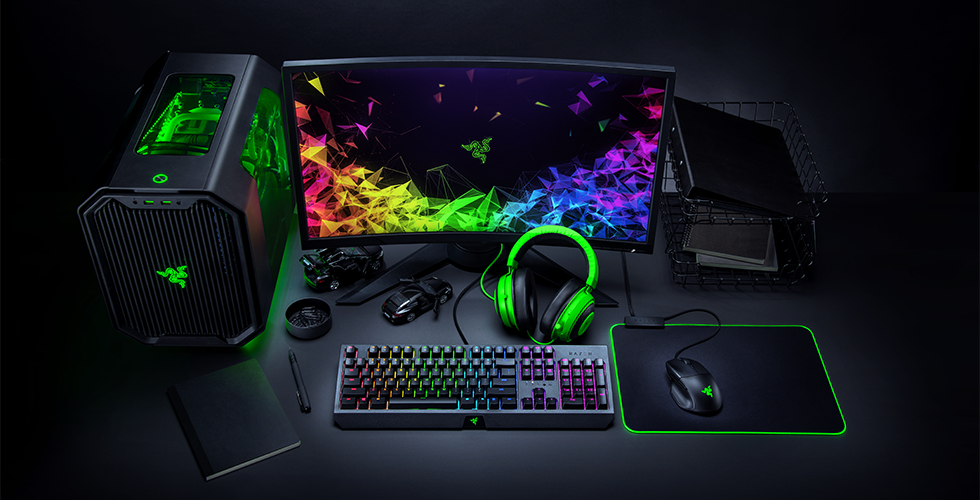
So, what happened to Razer? As it turns out, the company did not simply crash overnight. Something much stranger happened. The story of Razer involves a wild pivot into finance platforms, luxury Lamborghini partnerships, energy drinks, and most recently, artificial intelligence holograms.
Razer's current business decisions are incredibly confusing today, especially when we look back at what the brand used to represent. They did not just make computer mice. They helped redefine gaming hardware entirely. They influenced everything from the widespread adoption of RGB lighting to the creation of dedicated esports gear. They pushed the entire PC gaming industry forward.
If you are wondering how a beloved hardware giant lost the trust of its core audience, you have to look at how they started, how they grew, and the exact moment they got distracted.
The Unlikely Origins of a Gaming Hardware Empire
To understand what happened to Razer, we have to go back to 2005. The company had just emerged from bankruptcy, and two individuals bought the rights to the brand. Their names were Min-Liang Tan and Robert Krakoff.
These two were not your typical Silicon Valley tech founders. Tan was a working lawyer, and Krakoff was actually a professional NFL running back before he made a career transition into a tech job. Despite their different backgrounds, they shared a massive opportunity. They were eyeing up a booming technology industry.
After a short decline in 2001, global PC sales were quietly growing. The market saw 3% growth in 2002, followed by a massive 27% jump in 2003. By the time Tan and Krakoff bought Razer in 2005, the industry saw almost 240 million sales.
Tucked inside that massive market was the specific niche of PC gaming. The landscape was shifting. Massive multiplayer games like World of Warcraft had just launched, pulling in an incredible $391 million in 2005 from subscriptions and game expansions alone.
At the same time, competitive shooters like Counter-Strike were taking off globally. These fast-paced games required incredibly precise aim. You could not play them effectively with a standard console controller. You needed a highly responsive mouse and keyboard.
Tan and Krakoff were perfectly positioned because they genuinely loved playing video games. They did not set out to build a global lifestyle brand. They just wanted to do one specific thing very well. They wanted to make a really good gaming mouse.
As the founders put it, they just wanted to know if it was possible to build a better mouse so they could compete with the rest of the gamers out there. This authentic desire birthed their famous slogan: "For gamers. By gamers." The philosophy was simple. If you are really designing a product for yourself, you will naturally design the best product possible.
This pure focus was the exact reason they bought Razer in the first place. Fortunately, they had the capital to make their vision a reality. They secured some incredibly hefty funding from Hong Kong billionaire Li Ka-shing and Temasek Holdings. With the money in the bank, they got to work.
Building the Golden Era of Razer Peripherals
After a few design iterations, the team at Razer struck absolute gold. They released The DeathAdder.
This mouse was a revelation for the PC gaming community. It was meticulously crafted to fit multiple different hand grips. It featured high sensitivity for fast movements, programmable side buttons, and a shape perfectly tailored for long PC gaming sessions. They even went out of their way to manufacture a left-handed version.
While the original DeathAdder might look pretty basic by today's flashy standards, this piece of hardware took off like a rocket. Professional esports players and entire competitive teams started using it. Famous teams like Team Liquid adopted the hardware. Legendary League of Legends player Faker even won three world championships using the DeathAdder.
Once the professionals started using the mouse and performing at the highest levels with it, millions of everyday gamers jumped on board. To date, this single mouse model has over 20 million sales. Razer was suddenly unstoppable.
With a massive hit on their hands, the company decided to branch out. But instead of playing it safe, Razer did something a bit unexpected. They brought loud, mechanical keyboards back into the mainstream.
Mechanical keyboard switches are snappy, highly responsive, and incredibly satisfying to type on. They are huge in gaming today, and that is largely because of Razer. While the company did not invent mechanical switches—a company named Cherry did that in the 1980s—earlier mechanical keyboards were mostly industrial and bulky. They were built for typing pools and factory floors, not for late-night gaming.
In 2010, Razer launched the Blackwidow mechanical keyboard, and the market absolutely loved it. The build quality was so robust that some people are still using their original Blackwidow keyboards to this very day.

Razer kept their foot on the gas. In 2013, they entered the gaming laptop space. Before Razer, gaming laptops were famously bulky, heavy, and hot. Razer changed the standard by introducing sleek, thin gaming laptops that looked more like a MacBook Pro than a traditional gaming rig.
Then, in 2018, they introduced another major breakthrough. They launched the Razer Huntsman keyboard, featuring their very own proprietary optical keyboard switches. This technology was a game-changer for durability.
A Razer optical switch could survive 100 million keystrokes, completely doubling the 50 million keystroke lifespan of standard Cherry MX switches. To put that into perspective, a single key could be pressed 10,000 times a day for 27 straight years before it would finally break.
By this point, Razer had built a genuinely incredible reputation. Its gear was great. It felt engineered to be great. Their products pushed the entire industry forward, and the brand carried a cool, rebellious edge. Every major PC game developer was lining up to partner with Razer. Their products were selling millions of units. By 2016, they had reached $390 million in revenue.
It was time for the ultimate business step. Razer raised $528 million in an IPO on the Hong Kong Stock Exchange. The stock surged by as much as 42% on its first day. It was one of the biggest IPOs of the entire year. Everything was going perfectly. It seemed like the start of a brilliant new chapter.
The Pivot to a Lifestyle Brand
Right when the company hit its absolute peak, Razer started making some very odd choices. They were at the top of their game, but they began to make business moves that most fans would describe as weird.
In 2020, Razer launched its first-ever gaming chair, the Razer Iskur. Then, in January 2022, they announced a highly ambitious modular gaming desk called Project Sophia. This desk featured a PC built right into the frame, a giant OLED screen, modular magnetic parts, and full RGB Lighting all in one unit. Curiously, they marketed this futuristic gaming desk as a work-from-home productivity station. It was highly confusing, and the desk never actually came out.
Razer also tried building its own gaming console. They acquired the software assets from the failed Ouya console in 2015, but they discontinued their own console project the very next year.
In 2018, they bought the legendary audio company THX. This was an attempt to use THX's expertise in audio and visual quality to expand into completely new areas like virtual reality headsets and live streaming gear.
Next, they entered the fiercely competitive smartphone market. They acquired a company called Nextbit, which led directly to the launch of the Razer Phone. Billed as the first smartphone built specifically for gamers, it featured an impressive 120Hz refresh rate display. It seemed genuinely great for mobile gaming. However, after releasing just two versions of the phone, Razer quietly laid off most of its mobile division staff.
Things got even stranger from there. They launched RESPAWN, an energy brand for gamers. This product actually started as an April Fools joke online, but the company decided to turn it into a real product line. They even partnered with the candy company Mars to produce caffeinated chewing gum.
The partnerships became increasingly disconnected from computer hardware. They launched a luxury chair collaboration with Panerai, the Italian luxury watchmaker. They followed that up with a Lamborghini branded gaming chair that cost $1,299. In 2022, you could buy a genuinely good gaming PC for that exact same price.
It became obvious what was happening. Razer was transforming into a premium lifestyle brand instead of a pure product engineering brand. This strategy is a known way to secure higher profit margins, but it only works if you can pull it off without alienating your core customers.
The Bizarre Fintech Success Story
While energy drinks and luxury chairs were confusing, in 2018, Razer made one of its strangest moves yet. The gaming hardware company launched a financial technology company.
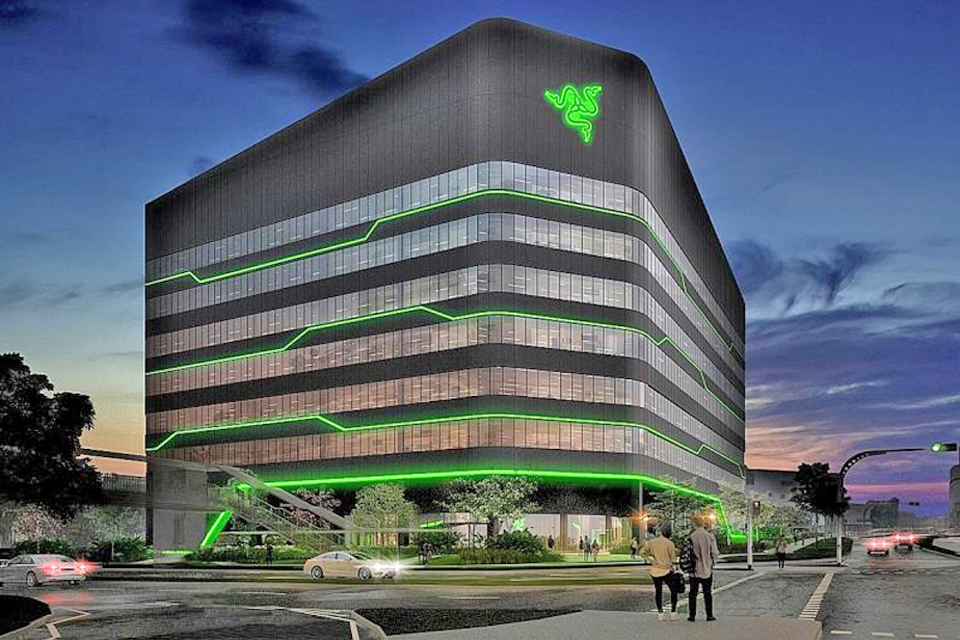
They created Razer Fintech, an e-wallet service specifically targeting teenagers and millennials in Malaysia. Surprisingly, this unexpected pivot actually worked. It became one of Southeast Asia's largest offline-to-online payment networks. By the year 2023, the total payment volume running through the platform was over $6.6 billion.
Razer then decided to combine their love for gaming aesthetics with banking. In 2020, they partnered with Visa to launch the Razer Card. This was a prepaid card that offered cashback rewards and gamified spending features. In true Razer fashion, the physical card literally lit up with LEDs when you tapped it to pay.
The lit-up card was a fun gimmick, but the company shut it down a year later. However, the core fintech business survived the chaos and successfully rebranded into a company called Fiuu in 2024.
While the fintech division was making money, long-time fans of Razer were incredibly confused. The company still manufactured gaming products, but their leadership seemed entirely distracted by other ventures. The company kept asking if they could build these new things, but they never really stopped to ask if they should.
Financial Struggles and Market Realities
With all these scattered moves, the core Razer business was not doing well. In early 2019, they were burning through cash. The company lost around $48 million in just a six-month period.
Then, a stroke of luck arrived for the business. When the COVID-19 pandemic hit in 2020, millions of people were stuck indoors. Demand for gaming gear surged globally. Razer finally turned profitable that year, though they only managed a razor-thin $800,000 profit on $1.2 billion in revenue.
In 2021, things looked significantly stronger. Profit rose to $43.4 million, and revenue climbed to $1.62 billion. This represented a 33% year-over-year increase. Everything seemed to be back on track.
Then, abruptly, they delisted from the stock exchange. Why would a company go private during a revenue boom? Were they secretly dying?
The truth is that Razer's stock was not actively trading. Very few investors were buying or selling shares on a daily basis. Low market activity can make a public company look much smaller and weaker than it actually is, even if their internal revenue is growing rapidly. Razer's stock price had remained pretty much flat the entire time it was public. The public market valued the company at around $4.3 billion, but Razer leadership felt they were worth much more than that. So, they pulled the stock.
Unfortunately, going private did not fix their underlying issues. By 2024, revenue was essentially flat compared to 2023, sitting at about $708 million. Worse, their profit completely collapsed from $35.4 million down to just $3 million. That is a devastating drop of more than 90%.
External market forces began hammering the company. Razer was forced to pull its laptops from United States stores. This was a massive blow, as laptops were one of its biggest flagship products. New US tariffs hit key manufacturing regions like China, Taiwan, and Vietnam. These tariffs severely disrupted the supply chain behind Razer hardware. It simply was not worth the cost to import them anymore.
Then came the massive memory crisis. Driven by the global boom in AI development, the cost of computer memory skyrocketed. In early 2026, DRAM prices rose by 90 to 95 percent, and NAND flash storage rose by 55 to 60 percent. Even massive companies like HP noted that memory alone now accounted for nearly 35% of a computer's total build cost.
It is simply not a good time to be a premium gamer brand, especially a brand trying to sell expensive hardware to highly price-conscious gamers. Min-Liang Tan noted back in 2022 that the company was seeing a deceleration in growth compared to the pandemic boom. That downward trend only continued. Online sales through Razer.com hit $297.6 million in 2025, which was down 5 to 10 percent from the previous year. Estimates for 2026 suggest revenue could decline by as much as 20 to 50 percent.
AI Holograms and the Loss of Trust
While macro factors like component costs, supply chain breakdowns, and tariffs certainly hurt Razer, there was a bigger internal problem. The brand had lost touch with its audience.
Instead of going back to basics to survive the tough market, Razer made one more bold, highly controversial move. In 2026, Razer jumped on the artificial intelligence trend. They announced Project AVA.
Project AVA is a 3D holographic desk companion designed to sit directly on your gaming setup. It utilizes xAI's Grok technology to act as a virtual AI Esports Coach.
The fans were not happy. The core gaming audience viewed it as a massive waste of resources. As one fan stated online, Razer seems willing to do anything except make good companion software for their actual hardware. Another user pointed out that instead of focusing on making better, affordable products for people who cannot drop thousands of dollars on PC parts, the company decided to jump in on the AI grift like everyone else.
To be brutally honest, those fans are spot on. To put it simply, Razer got distracted.
Important Business Lessons from Razer
The story of Razer offers several harsh practical takeaways for any business or entrepreneur.
First, never lose sight of your core product. Razer built its empire on highly engineered, reliable mice and keyboards. When they shifted their focus to energy drinks and banking, their hardware quality began to slip in the eyes of their customers.
Second, a lifestyle brand requires a foundation of trust. Customers used to trust Razer because their gear helped them win video games. When you replace high-performance engineering with expensive Lamborghini logos, you alienate the very people who built your company.
Finally, competitors are always waiting for you to slip. While Razer was busy building glowing credit cards and AI holograms, competitors like Logitech, Keychron, Corsair, and ASUS swallowed their market share. These companies did the exact opposite of Razer. They refined their core products and doubled down on build quality.
Customers today just want reliable, high-performance products. If you read customer feedback now, people constantly say they miss the old Razer build quality. They feel the company had more soul back in the day, and they miss the outstanding quality of the 2010s. Razer is not the only brand to lose their way. Even trusted giants like Dell have stumbled badly with poor laptop releases. But Razer's shift from a purely engineering-focused company to a distracted lifestyle brand serves as a massive warning to the tech industry.
Frequently Asked Questions
Why did Razer delist its stock?
Does Razer still make laptops?
What is the Razer memory crisis?
Is Razer Fintech still around?
What is Project AVA?
Conclusion
So, what happened to Razer? Ultimately, the company fell victim to its own ambition. They started with a brilliant, highly focused mission to build the best gaming mice and keyboards in the world. However, as they grew, they chased high-margin lifestyle branding, jumped into the banking sector, and wasted resources on AI holograms. By losing focus on their core hardware, they allowed their competitors to steal their most loyal customers.