Table of Contents
In 2024, a Canadian gas station chain called Alimentation Couche-Tard walked up to the people who owned 7-Eleven. They approached the exact company that had essentially invented the entire concept of the convenience store and handed them a staggering offer. They wanted to buy the company for $47 billion. These Canadians wanted to buy every single Slurpee machine, every Big Gulp cup, and everything down to the iconic 7-Eleven logo itself.
And the folks that own 7-Eleven simply said no.
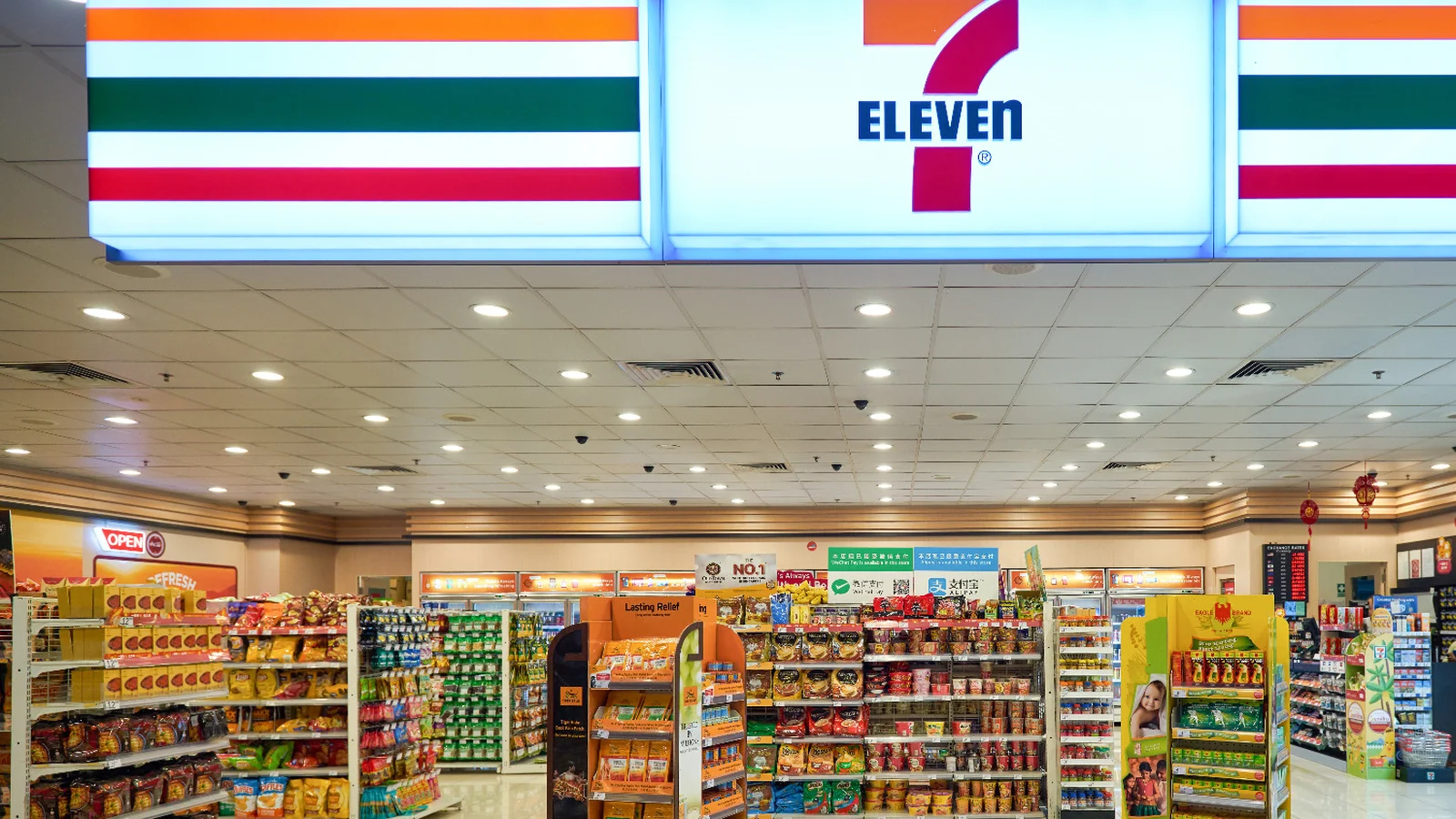
But fast forward just eight months later, and the situation looked drastically different. The very people who had confidently turned down that massive offer were forced into a corner. They had to announce the closure of over a thousand stores, including a huge wave of hundreds of locations in the spring of 2026.
To put this situation into perspective, you have to realize just how dominant this brand used to be. For decades, they were the absolute king of the hill. They had grown to an incredible 85,000 stores globally. Now, the American side of the business is rapidly on the decline. The story of why this happened, and how a company can go from industry pioneer to closing up shop in hundreds of neighborhoods, is completely fascinating. This is the story of the rise and fall of 7-Eleven.
The Unlikely Invention of the Convenience Store
To understand how we arrived at this massive corporate decline today, we actually have to start way back in 1927 in Dallas, Texas.
Long before glowing neon signs and frozen beverage machines, there was a local business called the Southland Ice Company. Southland operated like many businesses of that era. Back then, ordinary people did not have home refrigerators or ice makers in their kitchens. Instead, you had to buy actual blocks of ice from large suppliers who owned the heavy machinery required to freeze water on an industrial scale.
At this particular company, there was a guy who worked out on the loading dock. Everyone in the neighborhood affectionately called him Uncle Johnny, though his real name was Jefferson Green. Working the dock, he started to notice a recurring pattern. Customers would pull up in their cars way after normal business hours. It would be seven, eight, or nine o'clock at night. They were there to buy ice, but they kept asking him a funny, repeating question. They wanted to know if he happened to have any eggs, milk, or bread hiding back there in the warehouse.
Uncle Johnny did what any smart, observant worker would do. He started going out and buying those basic staples at wholesale prices. He quietly stocked them in the warehouse. The next time late-night customers came up and asked for milk, he happily sold it to them.
He was completely shocked by the results. Those simple grocery items actually started to sell better and faster than any of the ice products did.
Surviving the Depression and Prohibition
Once Uncle Johnny realized this experiment was working, he proved his loyalty to his employer. He took this information right up the chain of command to his boss, a man named Joe C. Thompson, who went by the nickname Jody. Johnny explained that they had a massive opportunity on their hands.
Without even realizing it, these two men had just invented the modern concept of the convenience store. They figured out that if you stay open late and sell core consumer products that everybody needs, people will happily shop when it is most convenient for them.
Eventually, the original ice business found its natural death. Just as you might imagine, technology advanced and people started buying home ice machines. To make matters worse, the Great Depression hit the country hard in 1932. The Southland Ice Company went bankrupt.
However, a saving grace arrived in 1933 when the prohibition of alcohol sales was repealed in the United States. This was perfect timing. Back in 1928, Southland had wisely started a side chain of actual retail shops called the Totem Stores based on Uncle Johnny's idea. These were the very first iteration of true convenience stores. Selling newly legalized alcohol helped keep the business alive through incredibly tough times.
The Golden Era and Global Domination
After World War II ended, the company made a massive branding shift. In 1946, they renamed their entire chain of stores to 7-Eleven. The name was chosen specifically to highlight the hours they were open. They operated from 7:00 a.m. to 11:00 p.m. every single day of the week.
Today, those hours sound completely standard. But back then, this was a radical, disruptive business model. Nobody stayed open past standard business hours. People were completely flabbergasted that a store would actually be open that late into the evening. You could argue that 7-Eleven was the Amazon Prime of its day. They offered a level of access that nobody else could match.
They stuck to those exact hours until 1963 when a lucky accident changed their trajectory forever. The local University of Texas football team was playing a massive game. After the game ended, a massive wave of fans flooded into the local store. So many people came in that the manager simply decided to keep serving them all night long. The store never closed its doors, and the idea of the 24-hour convenience store was born.
Big Gulps, Slurpees, and Global Expansion
The business exploded. In 1971, the chain officially went public and was listed on the New York Stock Exchange. By 1974, they had grown to an incredible 5,000 stores. By the mid-1980s, that number swelled to over 7,000 locations.

During this golden era, they were responsible for massive cultural innovations. In 1966, they invented the Slurpee. In 1976, they introduced the Big Gulp. The concept of selling a fountain soda that large was so incredibly revolutionary that American automakers were actually forced to redesign future models of their cars. They had to create larger cup holders just to accommodate the massive size of a 7-Eleven Big Gulp.
The brand became so dominant that "7-Eleven" basically became the generic word used to describe any convenience store. It replaced the category name in the public vocabulary, much like people use the word Coke to describe soda.
But in 1973, the company made a very fateful decision. It was a choice that likely looked like a tiny footnote on their annual report at the time. They decided to license the 7-Eleven brand name to a small Japanese retail chain named Ito-Yokado. The idea was simple. The American company would profit from licensing fees while Ito-Yokado built out the business in Japan. As time would tell, this small decision would eventually eat the American corporation alive.
The 1980s Junk Bond Crisis That Changed Everything
What happened next in the 1980s was highly emblematic of the entire American economy at the time. This was the famous era of junk bonds. Financial players were lining up to use high-interest debt to fund crazy, aggressive business deals.
Junk bonds enabled financiers to come in with very little of their own actual cash. They would borrow massive amounts of money at incredibly high interest rates from big institutions and public funds. Then, they would turn around and buy entire companies with the goal of flipping them for a profit over the next few years.
In 1987, a Canadian financier named Samuel Belzberg tried to run this exact aggressive play. He used junk bonds to attempt a hostile takeover of Southland, which was still the corporate parent name for 7-Eleven. The Thompson family, who still owned the company, absolutely panicked.
To protect their legacy, the Thompsons decided to beat Belzberg at his own game. They executed their own management buyout to take the company private and remove it from the stock exchange. However, to pull this off, they had to finance the move almost entirely with their own junk bonds. They took on an unbelievable price tag of nearly $5 billion.
Using high levels of debt to make aggressive business moves can work perfectly, provided everything goes in your favor. But whenever there is a massive amount of debt placed on a business, all it takes is two or three external factors to go wrong for the entire house of cards to collapse.
The Thompsons closed their buyout deal in 1987. Their master plan was to survive for a year and then refinance the whole massive debt load at much better interest rates in 1988. It proved to be a case of historically terrible timing.
Late in 1987, the stock market experienced the infamous Black Monday crash. The entire bond market, which was the only place businesses could go to borrow or refinance money, completely froze indefinitely. The Southland corporation was suddenly sitting on $1.8 billion of high-yield debt. The interest rates were suffocating, and they had absolutely no way to refinance it.
The company was forced into full panic mode. They initiated a fire sale, selling off absolutely everything that was not nailed down or directly associated with the core 7-Eleven retail brand. They sold off massive assets ranging from oil refineries to regional distributorships. Over the next three years, they bled cash, losing a staggering one and a half billion dollars. By 1990, they could not fight the math anymore. They officially filed for Chapter 11 bankruptcy.
The White Knight from Japan
Remember Ito-Yokado, the small Japanese licensee from the 1970s? It turned out they had run their side of the business incredibly well.
During the 1980s, the Japanese economy was experiencing a massive, historic boom. Ito-Yokado was sitting on a mountain of cash. They were the perfect group to step in and save the struggling American brand.
Because the American economy was in a tailspin at the time, there were very few buyers looking to purchase a distressed asset like 7-Eleven. Ito-Yokado swooped in and bought the entire chain for just $430 million. That was less than ten percent of what the Thompson family had paid to take it private just a few years earlier.
The business world is full of stories about smart operators who make fortunes simply because they have cash on hand when everyone else is too scared or too broke to invest. For a bargain-basement price, the Japanese firm acquired over 7,000 retail stores, incredibly valuable intellectual property like the Slurpee and Big Gulp brands, and a mountain of retail history.
They did play relatively nice with the founding Thompson family, allowing them to retain a five percent stake in the company. Still, it was a far cry from the massive fortune the family had created and subsequently lost in just a few short months.
Fast forward to 2005, and Seven & i, which was the new corporate name of the Japanese holding company, officially bought out the rest of the American operation. Suddenly, they were the sole owners of the entire global chain. The Thompsons were completely out. If you look at the company today, the entire brain and operational hub of the business is located back in Tokyo, not the United States.
A Tale of Two Stores: The US vs. Japan
As the years rolled by, the very face of the company began to radically change depending on where you lived. Today, there are over 85,000 locations across the globe. Surprisingly, only about 15 percent of those stores are located in the United States.
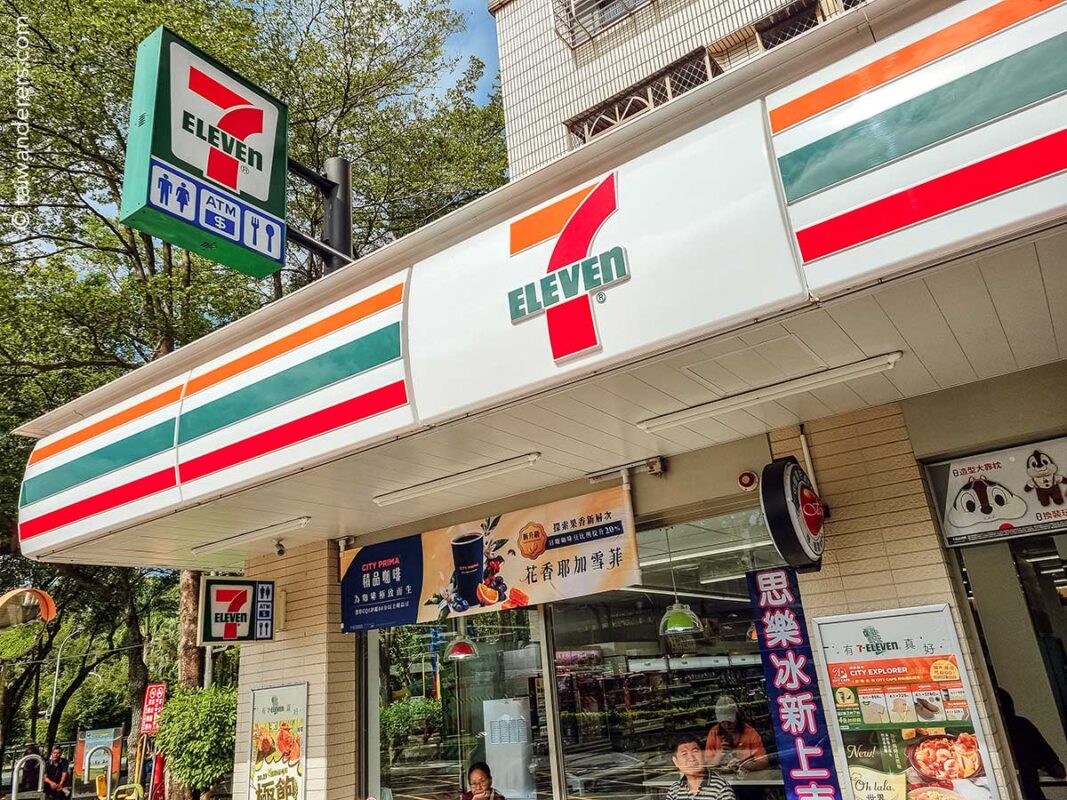
There are over 20,000 locations in Japan, a country with an economy and landmass that is only a fraction of the size of the US. Believe it or not, the country of Thailand actually has more 7-Eleven locations than the United States does.
The most fascinating part of this global dynamic is the stark difference in the actual stores. The locations in the United States and Japan share the exact same logo and name. However, they are radically different businesses, right down to the individual items sold and the way the stores are integrated into the community.
Back in 1973, a Japanese executive named Tommy Shumi Suzuki rebuilt the entire concept from scratch specifically for his local market. In Japan, the stores are tiny, incredibly clean, and located in densely populated urban areas. They operate with intense efficiency, receiving two, three, or even four distinct deliveries of fresh merchandise every single day.
Much of what they sell is high-quality fresh food. Because of the intense Japanese work culture, many professionals find themselves walking home from their office jobs at nine or ten o'clock at night. They stop at the local store, buy a freshly prepared meal, and take it home to eat. Travelers are often completely blown away by this. You can essentially buy a restaurant-quality meal made with fresh ingredients inside a convenience store. Many argue the food is better than what you would get at a standard sit-down restaurant in America.
Furthermore, the Japanese locations have evolved into essential centers of commerce for entire neighborhoods. They are built around walkability and mass transit hubs. Residents go there to pay their local taxes, settle their utility bills, and manage various aspects of their daily lives. These stores, known locally as "konbini," have become so vital to daily Japanese life that the government officially deemed them essential infrastructure during the 2020 pandemic lockdowns. They were legally required to stay open to serve the public.
Meanwhile, the American version of the store has a much different reputation. In the United States, the business model essentially boils down to offering cheap gasoline, selling packaged cigarettes, and offering a warmed-over taquito sitting under a heat lamp. The American model relied entirely on hoping that reasonably priced gasoline would bring you in the door to buy high-margin, unhealthy packaged goods.
What Went Wrong for 7-Eleven in America?
By the time 2012 rolled around, consumer habits in the United States were rapidly changing, and 7-Eleven was totally unprepared.
One of the biggest shifts was the sharp decline in smoking. For decades, cigarettes had been the absolute highest margin item sold inside any convenience store. Between 2012 and 2013, a typical location was doing about $28,000 a month in cigarette sales alone. By 2023, that number had plummeted to less than half of that volume. They were losing their most profitable product line fast.
At the same time, consumer demand for food was shifting. In 2004, food sales made up only a tiny fraction of a typical store's revenue. But by 2014, the industry standard for food sales was creeping closer to 30 percent. This shift is crucial for profitability. Gasoline is a terrible business, usually running at razor-thin gross profit margins of just three to five percent. Food, on the other hand, can generate massive profit margins of 40, 50, or even 60 percent.
Because the corporate leadership was located in Japan and largely detached from the daily realities of the American market, the corporation fell way behind the curve. While they were asleep at the wheel, aggressive competitors figured out the food game. Everyone from massive regional players like Buc-ee's and Wawa to neighborhood chains like Circle K started heavily investing in fresh, appealing food options.
The competition did not wait around. Casey's, a chain primarily located in the American Midwest, quietly transformed itself into the fifth largest pizza chain in the entire United States. Brands like Buc-ee's built highly compelling destination stores. People will happily drive right past a 7-Eleven and hold their bladders for another thirty miles just to stop at a Buc-ee's to use their celebrated, pristine bathrooms and buy fresh barbecue.
At the same time, brands like Dollar General and Family Dollar started aggressively encroaching on the convenience market, placing themselves in urban, suburban, and rural neighborhoods across the country.
The Debt Trap and the DoorDash Threat
Realizing they had missed their window to grow organically, the corporate parent company tried the only strategy they had left. They decided to spend their hard-earned Japanese capital to buy their way back into dominance.
In 2017, they purchased the entire chain of Sunoco gas stations. Then, in 2021, they executed the largest convenience store acquisition in human history. They bought the entire Speedway chain in a massive $21 billion deal that included 23,000 stores.
Unfortunately, they were about to repeat the exact same financial mistake the Thompson family had made back in the 1980s. To fund the Speedway deal, they borrowed a massive amount of money. Just after they took on this $21 billion in debt, global interest rates absolutely skyrocketed. Between 2021 and 2024, borrowing costs essentially tripled, hitting them precisely at the worst possible moment.
As the late 2010s gave way to the 2020s, an entirely new existential threat emerged. The rise of delivery apps like DoorDash and Uber Eats completely destroyed the traditional moat of convenience.
Historically, 7-Eleven succeeded simply by being the closest open door when you wanted a late-night snack. But even then, you still had to put on your shoes and drive down the street. With the advent of delivery apps, consumers could pay a few extra dollars to have products brought directly to their couch. People were suddenly willing to pay an eight dollar delivery fee just to have a single donut brought to their house. True convenience was no longer a physical location on a street corner.
To make matters worse, the internal structure of the American operation was a total mess. While newer competitors were mostly entirely corporate-owned, allowing them to mandate changes quickly, 7-Eleven relied on a messy, confusing mix of corporate stores and individual franchises.
The franchise agreements became broken, and incentives were completely misaligned. Many store owners were struggling so badly that they saw no logical reason to continue paying to keep the corporate brand name on their buildings. Foot traffic plummeted, dropping an alarming 7.3 percent in a single month during August of 2024. The stores had lost their compelling reason to exist. They did not have the best food, they did not have the best locations, and they no longer offered the most convenience.
The $47 Billion Takeover Attempt and Final Closures
This perfect storm of failures brings us to a fateful moment in 2024. A Canadian holding company called Alimentation Couche-Tard, the parent company of the wildly successful Circle K chain, made a bold move. They approached Seven & i Holdings in Tokyo and offered to buy out the entire global empire.
Their initial bid was between $38 and $39 billion. The Japanese executives quickly said no thank you. Two months later, the Canadians returned with a much stronger offer. They put $47 billion in all cash on the table. A merger between the two companies would have created the largest retail chain in the history of the world, boasting over 100,000 stores across 30 different countries.
The Japanese leadership fiercely wanted to maintain their independence. They resorted to an incredibly rare corporate defense strategy. Instead of adopting a standard financial poison pill, the management team went directly to the Japanese government and asked for a massive favor. They requested that their company be legally classified as national critical infrastructure.
Surprisingly, the government agreed. To be fair, they were not entirely wrong to make this classification. In Japan, when earthquakes or natural disasters strike, citizens legitimately rely on these stores for emergency water, shelter, and basic survival supplies.
This legal shield bought the company some time, but it did not fix their failing American business. The Japanese executives realized they had to take drastic action. In March of 2025, they did something historically unprecedented for the brand. They installed the very first non-Japanese CEO in the history of the company. They brought in an executive named Stephen Dacus with a clear, brutal mandate. He was tasked with turning the North American operation around, closing unprofitable stores, and preparing the American division to be spun off in a public offering.
By the summer of 2025, the Canadian buyers finally ran out of patience. Frustrated by the delays, Couche-Tard officially rescinded their $47 billion all-cash offer. They sent a strongly worded, almost insulting business breakup letter. They accused the Japanese holding company of having a history of confusion, delay, and obfuscation. They were tired of the corporate games and walked away completely.
The fallout was swift and severe. Just months later, in April of 2026, the company was forced to announce the closure of another 645 locations across North America. This was in addition to the 400 store closures they had already announced back in 2024. The grand plan to spin out the American operation into its own IPO was placed on semi-permanent hold, pushed out to at least 2027.
Frequently Asked Questions
Why is 7-Eleven closing so many stores in 2026?
Who currently owns 7-Eleven?
Why are Japanese 7-Eleven stores so different from American ones?
Did someone try to buy 7-Eleven recently?
How did 7-Eleven start?
Conclusion
Looking back at the rise and fall of 7-Eleven, the greatest takeaway is that global business requires a deep understanding of local realities. The Japanese executives failed to recognize that the American market was shifting away from cigarettes and gasoline toward high quality food and digital delivery.
Ironically, the Canadian buyers might have saved themselves a lot of heartache and flights to Tokyo if they had understood the deeply protective, traditional nature of the Japanese business world. As thousands of American stores close their doors, it serves as a stark reminder that past dominance never guarantees future survival in the brutal world of retail.