Table of Contents
Walking into the Shark Tank is stressful enough, but what happens when your product demonstration completely fails on national television? For Michael and Ana Van Horst, the founders of Hang Hero, their Season 17 pitch almost derailed before it even started.
The couple had given up a steady licensing deal to bet entirely on themselves, and their financial future was hanging by a thread. When their picture-hanging tool jammed during the initial presentation, the room went dead silent. But rather than fold under the pressure, the husband-and-wife duo reset the tool, nailed the second attempt, and managed to hook one of the most famous investors in America. This is the complete story of how a frustrating household chore turned into a million-dollar TV moment.
What is Hang Hero?
Hang Hero is a patented, all-in-one picture-hanging tool designed to completely eliminate the need for a hammer, measuring tape, and guesswork when decorating your walls. If you have ever tried to hang a heavy frame, you know the frustration of putting multiple holes in the drywall, only to realize the picture is still crooked. Hang Hero solves this exact problem with a smart, integrated design.
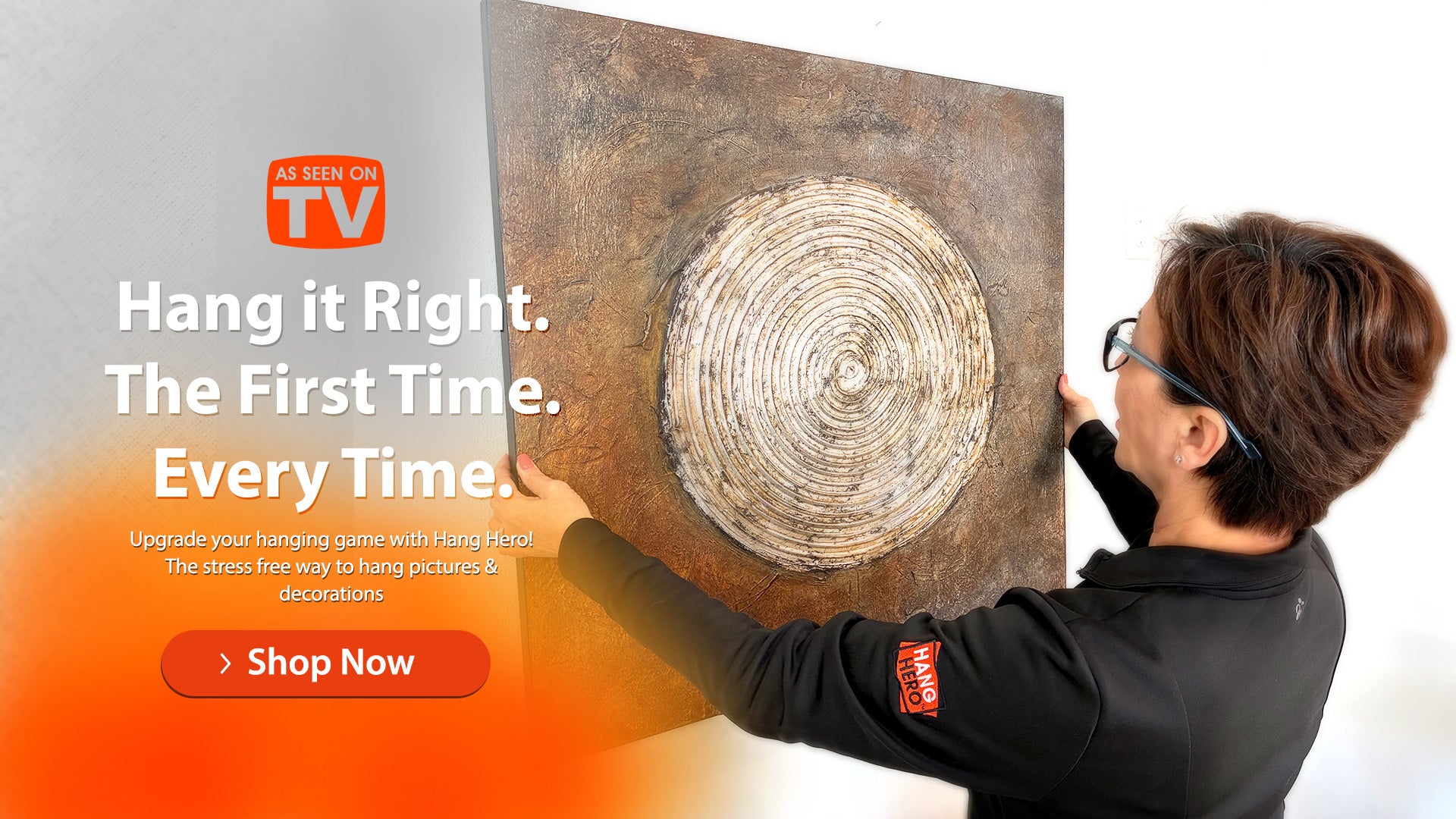
The tool works through a simple three-step process. First, users load a standard nail into the tool’s magnetic cylinder, which holds it securely in place pointing outward. Next, users place the tool against the wall and use the built-in leveling bubble to ensure perfect horizontal alignment. Finally, with a simple, firm punch-like motion, the tool drives the nail directly into the wall.
Because it removes the need for heavy hand tools, Hang Hero is incredibly appealing to renters who want to avoid drywall damage, older adults who may lack the hand strength to swing a hammer, and everyday homeowners looking for a fast DIY solution. It safely handles decor weighing up to 5 pounds, making it perfect for standard picture frames, lightweight clocks, and canvas art.
| Business Overview | Details |
|---|---|
| Business Name | Hang Hero |
| Industry | Home Improvement / Hardware |
| Founders | Michael & Ana Van Horst |
| Core Product | All-in-one picture hanging tool |
| Target Audience | Homeowners, Renters, DIYers |
| Retail Price | $20.00 - $22.00 |
Who is the Founder of Hang Hero?
Hang Hero was invented by Michael Van Horst, who built the business alongside his wife, Ana. Michael’s inspiration did not come from a background in engineering, but rather from over 25 years working in the American real estate industry.
During his decades of helping families buy and move into new homes, Michael noticed a surprisingly common trend: beautiful pieces of artwork and family photographs were constantly left leaning against baseboards or sitting on floors. When he asked his clients why they had not decorated their walls, the answer was almost always the same.
People simply hated hanging pictures. They dreaded finding the tape measure, digging out a hammer, making accidental holes, and arguing with their spouses over whether a frame was level.
Michael realized there was a massive market for a tool that could do all the heavy lifting. He wanted to invent something that not only measured the space but physically pushed the nail into the wall. Balancing his full-time real estate career, he began designing prototypes.
Meanwhile, his wife Ana took on the grueling operational side of the startup. Ana maintained her day job working at a busy doctor's office, and then came home to spend her nights fulfilling orders and packing boxes to get the business off the ground. Together, they secured four distinct patents for the utility and design of Hang Hero, proving their commitment to protecting their intellectual property.
Hang Hero Shark Tank Journey & Pitch
Michael and Ana Van Horst walked into the Shark Tank during Season 17, Episode 15, seeking $150,000 for 10% equity in their company. This initial ask gave Hang Hero an implied valuation of $1.5 million.

The pitch started with high energy, but disaster struck early. During the live product demonstration, the Hang Hero failed to deploy the nail correctly. The Sharks winced, and the tension in the room spiked. Showing incredible composure, Michael took a breath, reset the tool, and demonstrated it again. The second time, the Hang Hero worked flawlessly, perfectly inserting the nail and proving its value.
Once the Sharks got down to the numbers, the business reality proved just as bumpy as the demonstration. Michael revealed that Hang Hero had actually generated over $800,000 in lifetime sales. The Sharks were initially thrilled by this massive number, but the excitement faded when Michael explained their current cash flow.
Originally, the couple had licensed the product to a larger company. The problem was the royalty rate: they were only making a meager $0.40 per unit sold. Realizing they were leaving massive amounts of money on the table, Michael and Ana made the terrifying decision to terminate the licensing contract and manufacture the product themselves.
While they now enjoyed incredible margins—it costs just $4.40 to make and sells for $20 to $22—they had to start their sales pipeline completely from scratch, leading to a steep, temporary drop in revenue.
| Pitch & Offers | Details |
|---|---|
| Initial Ask | $150,000 |
| Equity Offered | 10% |
| Pre-Pitch Valuation | $1,500,000 |
| Sharks in the Room | Lori Greiner, Kevin O'Leary, Daymond John, Barbara Corcoran, Rashaun Williams |
| Offers Made | Daymond John: $150,000 for 25% |
| Final Deal Accepted | $150,000 for 25% equity with Daymond John |
The Sharks had mixed reactions to this massive business pivot:
- Kevin O'Leary immediately identified the risk. He felt the business was entirely in a rebuilding phase and was simply not ready for his investment capital. He dropped out.
- Rashaun Williams, a guest Shark, appreciated their hustle but noted that this was essentially a turnaround situation. Because turnaround businesses require a specific, highly hands-on strategy that did not fit his portfolio, he stepped out.
- Barbara Corcoran liked the couple but ultimately decided not to invest, exiting the negotiations.
- Lori Greiner seemed like the perfect match for a mass-market hardware product. She praised the tool and the founders but believed they did not actually need a Shark. She felt they could easily dominate home shopping networks like QVC on their own. She dropped out.
This left Daymond John. Daymond connected with the product on a personal level, recalling how much he struggled with hanging pictures as a kid. Even though hardware was not his typical fashion or lifestyle wheelhouse, he saw the value of the patents and the massive market appeal.
Daymond offered the exact capital they requested, $150,000, but demanded a hefty 25% equity stake, stating he wanted a meaningful piece of the company to make the required mentorship worth his time. Michael and Ana attempted to counter-offer at 20%.
Daymond held firm, refusing to budge a single percentage point. Knowing Daymond's retail connections could save them years of rebuilding struggles, the Van Horsts accepted the offer, calling the partnership "life-changing."
What Happened to Hang Hero After Shark Tank?
The immediate aftermath of Shark Tank provided the exact jolt of momentum Michael and Ana were desperately looking for. The "Shark Tank Effect" hit the company hard, driving thousands of curious buyers to their website.
To capitalize on the national television exposure, the founders heavily leaned into social media marketing, specifically targeting the TikTok audience. Their strategy worked beautifully. Short-form videos demonstrating the satisfying, hammer-free punch of the Hang Hero went viral, racking up between 1.5 million and 4 million views on TikTok within just a few weeks of the episode airing.
This viral attention was vital because it allowed the brand to successfully bypass traditional retail gatekeepers and sell directly to consumers. By fulfilling orders themselves, they were finally able to enjoy the full $15 to $17 profit margin on every unit sold, rather than the 40 cents they were making during their old licensing days.
While Daymond John's team began working in the background to streamline their manufacturing costs and prepare them for big-box retail pitches, the Van Horsts focused entirely on using the internet to rebuild their financial foundation.
Is Hang Hero Still in Business?
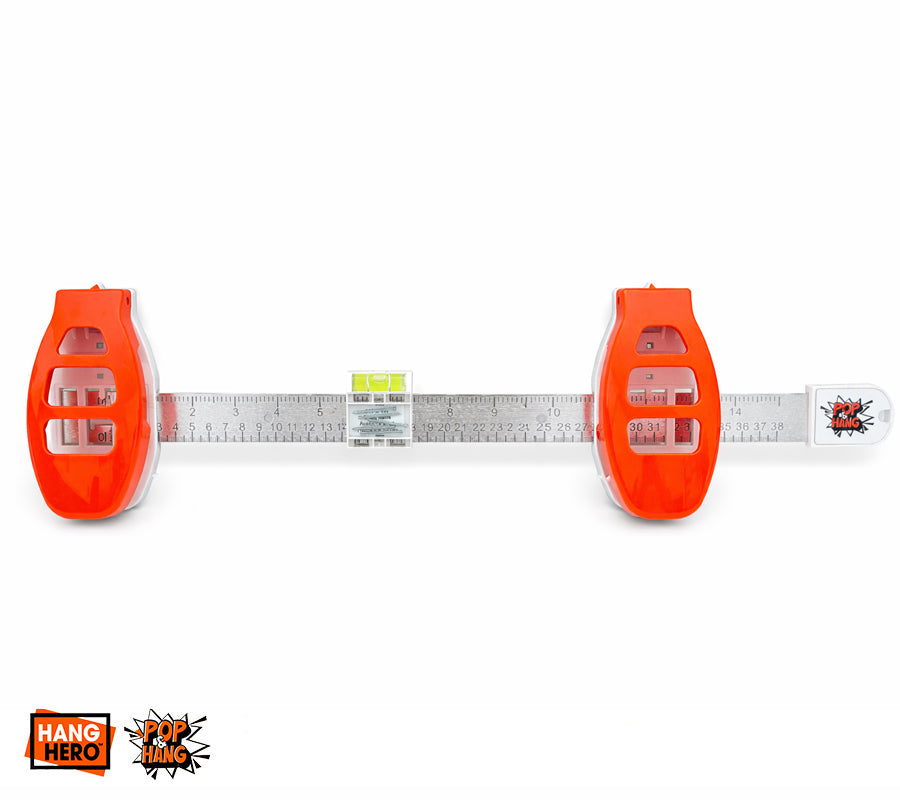
Yes, Hang Hero is actively in business and completely operational. The brand is aggressively pushing its direct-to-consumer model via its official website. They have also expanded their marketing to highlight additional tools in their lineup, such as the "Pop & Hang" tool, which is specifically designed for very lightweight decor.
The company's primary focus remains rebuilding the massive sales volume they had prior to dropping their licensing deal. With the backing of Daymond John, the long-term goal for the company is to eventually place Hang Hero on the shelves of major American hardware giants like Home Depot and Lowe's, as well as feature the product on televised shopping channels to reach an older demographic.
What is the Valuation & Net Worth of Hang Hero?
Valuing a company fresh off a major pivot can be tricky, but the Shark Tank negotiations provide a clear financial snapshot.
When Michael and Ana asked for $150,000 for 10%, they were valuing Hang Hero at $1.5 million. However, because they accepted Daymond John's offer of $150,000 for 25%, the actual, finalized deal valuation of Hang Hero is $600,000.
Prior to their Shark Tank appearance, the company had proven total lifetime sales of $800,000. While their revenue took a temporary dive during their transition away from licensing, their incredible profit margins ($4.40 landed cost vs. $22 retail price) means the business requires far fewer sales to generate healthy cash flow.
As of today, the estimated net worth of the Hang Hero business hovers strictly around that $600,000 mark. As their viral TikTok marketing continues to convert into direct-to-consumer sales, and if Daymond John successfully pushes the product into national retail chains, the company's valuation is poised to cross the $1 million threshold very soon.
Where to Buy Hang Hero?
For consumers looking to ditch their hammers, the easiest place to purchase Hang Hero is directly through the company’s official website. Buying direct ensures you receive the authentic, patented product. Occasionally, the brand runs online sales, sometimes dropping the retail price from the standard $22 down to around $12.44 or $9.95.
As the company continues to scale its manufacturing with Daymond John's investment capital, American buyers should expect to see the distinctive packaging pop up in major big-box home improvement stores and on Amazon in the near future.
Are Hang Hero Reviews Good?
The customer feedback for Hang Hero has been overwhelmingly positive, particularly among niche consumer groups who struggle with traditional hand tools. Reviewers frequently highlight the heavy-duty build quality of the magnetic cylinder and praise how much time the built-in level saves them.
Older adults with arthritis or limited grip strength leave glowing reviews about how the "punch" mechanism requires far less physical exertion than swinging a hammer. The only occasional piece of critical feedback relates to the 5-pound weight limit; some users wish the company offered a heavy-duty version capable of handling massive mirrors or large-scale televisions. However, for standard gallery walls, family photos, and daily decorating, American consumers agree that the tool works exactly as advertised on television.