Table of Contents
Every skier knows the pure frustration of a "yard sale." On the mountain, this term describes a catastrophic wipeout where your skis, poles, goggles, and pride scatter completely across the snow. Off the mountain, it describes the tangled, clumsy mess of trying to carry loose ski poles from the parking lot to the ski lift.
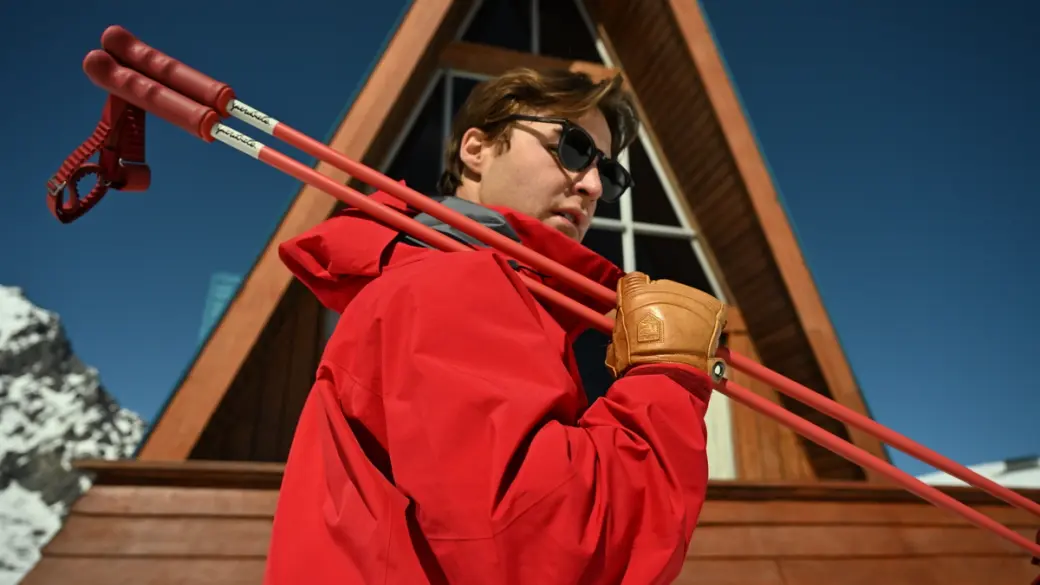
It is a universal pain point for winter sports lovers, yet ski gear has seen very little actual innovation in decades. That exact chaos inspired two young entrepreneurs to walk onto the set of Shark Tank Season 16 with a brilliant solution.
Kelly McGee and Cristina Ashbaugh entered the Tank to pitch Yardsale, a brand of sleek, magnetic ski poles designed to make the everyday skiing experience significantly smoother. The founders were not pitching to hardcore, cliff-jumping professionals; they built a brand for the other 90% of recreational skiers who just want to have fun outside with their friends.
But did the Sharks see the value in this highly niche outdoor gear, and where is the company standing? Here is the ultimate breakdown of the Yardsale Shark Tank journey, the intense bidding war, and what happened to the business after the cameras stopped rolling.
What is Yardsale?
Yardsale is a modern, design-centric outdoor lifestyle brand that completely re-engineered the traditional ski pole. The core problem they solved is transport and handling. Standard ski poles easily cross, tangle, and snag on other gear.
Yardsale fixed this by utilizing high-frequency welding and metal-injection molding to embed 16 hidden magnets directly into the handles and powder baskets of the poles. When you place the two poles next to each other, they instantly snap together to form one solid, easy-to-carry unit.
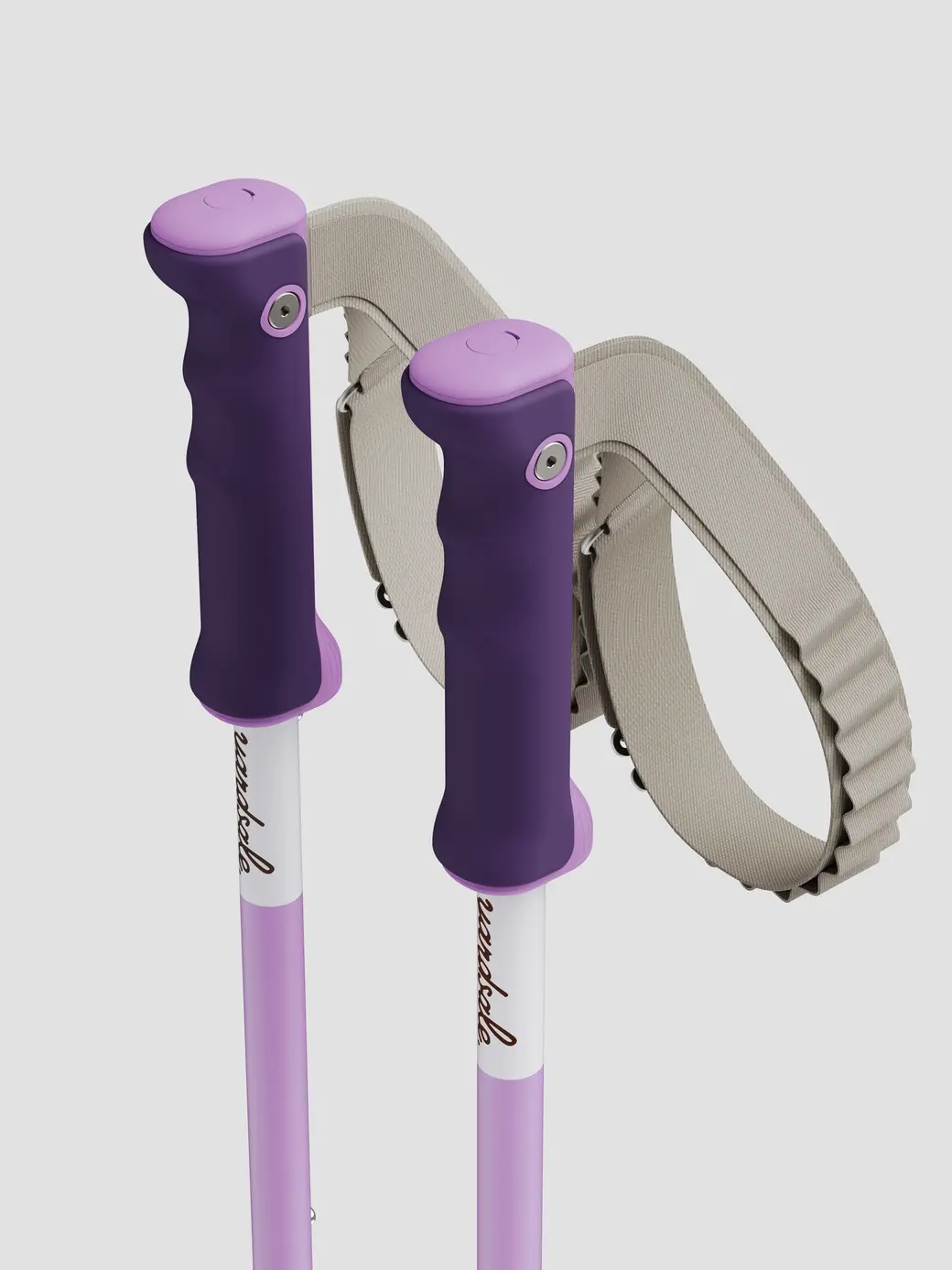
But the innovation did not stop at magnets. Traditional ski pole wrist straps are notoriously difficult to use when wearing thick, heavy winter gloves. Yardsale completely redesigned the strap using a 3D-knit nylon material that stays open in a perfect loop.
Furthermore, they introduced a "mag strap" system powered by Fidlock magnetic technology. This allows the skier to leave the strap attached to their glove and simply "click" magnetically into the pole handle in seconds.
Yardsale deliberately markets to the casual, weekend skier. The poles are made from durable 7-series aluminum, feature a sleek matte finish, and are completely modular, allowing buyers to customize the colors of the shafts, baskets, and straps.
| Product Overview | Details |
|---|---|
| Industry | Outdoor Gear & Winter Sports |
| Founded Year | 2023 |
| Core Product | Magnetic, Customizable Ski Poles |
| Target Audience | Recreational Skiers ("The 90%") |
| Retail Price | $139 (Adult P1 Poles) |
Who are the Founders of Yardsale?
Yardsale was co-founded by Kelly McGee and Cristina Ashbaugh, two friends operating out of San Francisco, California. The duo met during their college years in Boston when Ashbaugh's fiancé introduced her to McGee, who was studying mechanical engineering at MIT. Ashbaugh herself graduated from Emerson College in 2018.
The idea for Yardsale originated from Ashbaugh, who recognized a massive gap in the ski market. Most major ski brands marketed exclusively to extreme athletes, ignoring the casual skiers who make up the vast majority of lift ticket sales. When Ashbaugh first presented the concept of magnetic ski poles to McGee, he was highly skeptical.
However, McGee, who spent time working as a product design engineer at Apple helping develop the iPad, soon realized the massive design potential. He jumped on board to lead product development, while Ashbaugh utilized her background to handle marketing and wholesale.
The team spent six rigorous months prototyping. They subjected their materials to extreme sub-zero freezers, high-temperature ovens, and aggressive bend-stress testing to ensure the poles would survive brutal winters.
They officially launched Yardsale in November 2023, just before the holiday season. The product achieved an immediate product-market fit. In just their first 30 days of business, they sold $100,000 worth of inventory entirely out of a garage, proving that recreational skiers were desperately hungry for gear that actually made their lives easier.
Yardsale Shark Tank Journey & Pitch
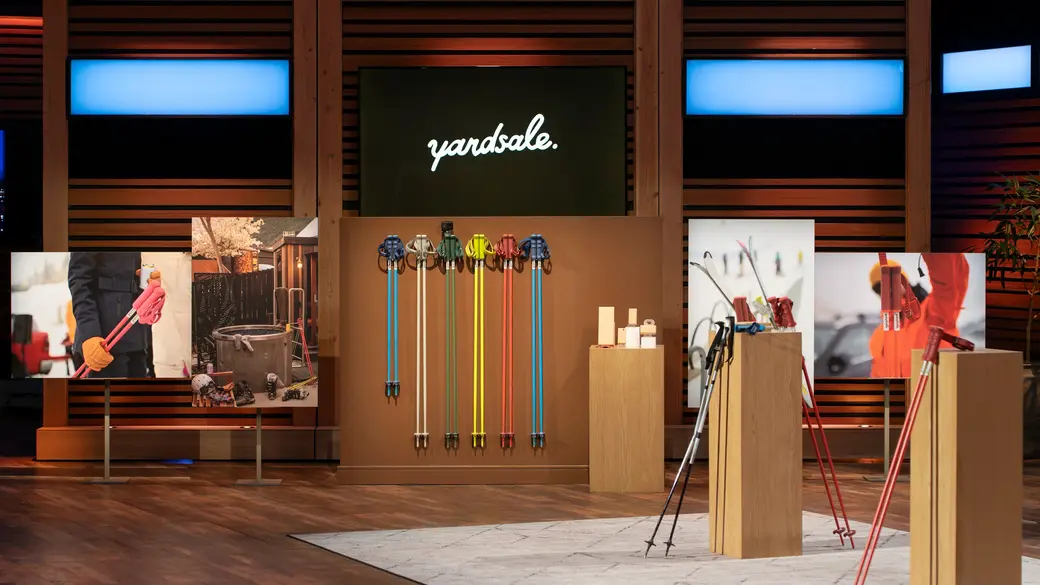
Kelly and Cristina stepped onto the Shark Tank stage during Season 16, Episode 3 (which aired in the fall of 2024). They came seeking $200,000 in exchange for a 10% equity stake in Yardsale, giving the young company a baseline valuation of $2 million.
The founders handed out samples to the Sharks: Mark Cuban, Kevin O'Leary, Lori Greiner, Daymond John, and Guest Shark Kendra Scott. The Sharks were immediately impressed by the premium feel of the product and the astonishing early sales numbers.
At the time of filming, the company was only six months old but had already hit $220,000 in year-to-date sales. The founders confidently projected they would end their first year at $300,000 and forecasted a massive leap to $2.1 million in sales for 2025. With landed manufacturing costs at $42 and a retail price of $139, the company boasted a very healthy 75% gross margin.
However, the pitch quickly became polarizing based on the Sharks' personal feelings about winter sports and the brand name.
Lori Greiner was the first to drop out. She strongly disliked the name "Yardsale," feeling that naming a premium product after a disastrous skiing accident carried a negative connotation. Because she was not a skier herself, she could not connect with the brand and exited the deal.
Daymond John actually loved the clever name, comparing it to his own inside-joke brand, FUBU, but he also did not ski and bowed out. Mark Cuban quickly followed suit, stating he had absolutely no intention of ever going skiing.
This left Kevin O'Leary and Kendra Scott. Knowing Kevin loves royalty deals, Kelly boldly flipped the script and proactively offered Kevin a deal before he could even speak: $200,000 for 5% equity, plus a $3 royalty per unit until his money was recouped. Mark Cuban laughed, noting it was the first time an entrepreneur had pitched Kevin a royalty right out of the gate.
Kevin countered, demanding $200,000 for 20% equity without the royalty, stressing that his massive distribution network would be key. Guest Shark Kendra Scott, who built her eponymous jewelry empire from a spare bedroom into a billion-dollar brand, jumped into the fray. She countered with $200,000 for 20% equity, plus a $3 royalty.
After intense haggling, Kelly and Cristina managed to talk the equity down. They ultimately struck a fantastic deal with Kendra Scott. The founders felt Kendra's overwhelming positive energy and her proven track record of scaling consumer products into massive retail stores made her the perfect strategic partner.
| Pitch & Offers | Details |
|---|---|
| Initial Ask & Valuation | $200,000 for 10% Equity ($2M Valuation) |
| Sharks in the Room | Mark Cuban, Lori Greiner, Kevin O'Leary, Daymond John, Kendra Scott |
| Kevin O'Leary's Offer | $200,000 for 20% Equity |
| Kendra Scott's Offer | $200,000 for 20% Equity + $3 per unit royalty |
| Final Deal Accepted | Kendra Scott: $250,000 for 10% Equity + $5 per unit royalty (until $300k is repaid) |
What Happened to Yardsale After Shark Tank?
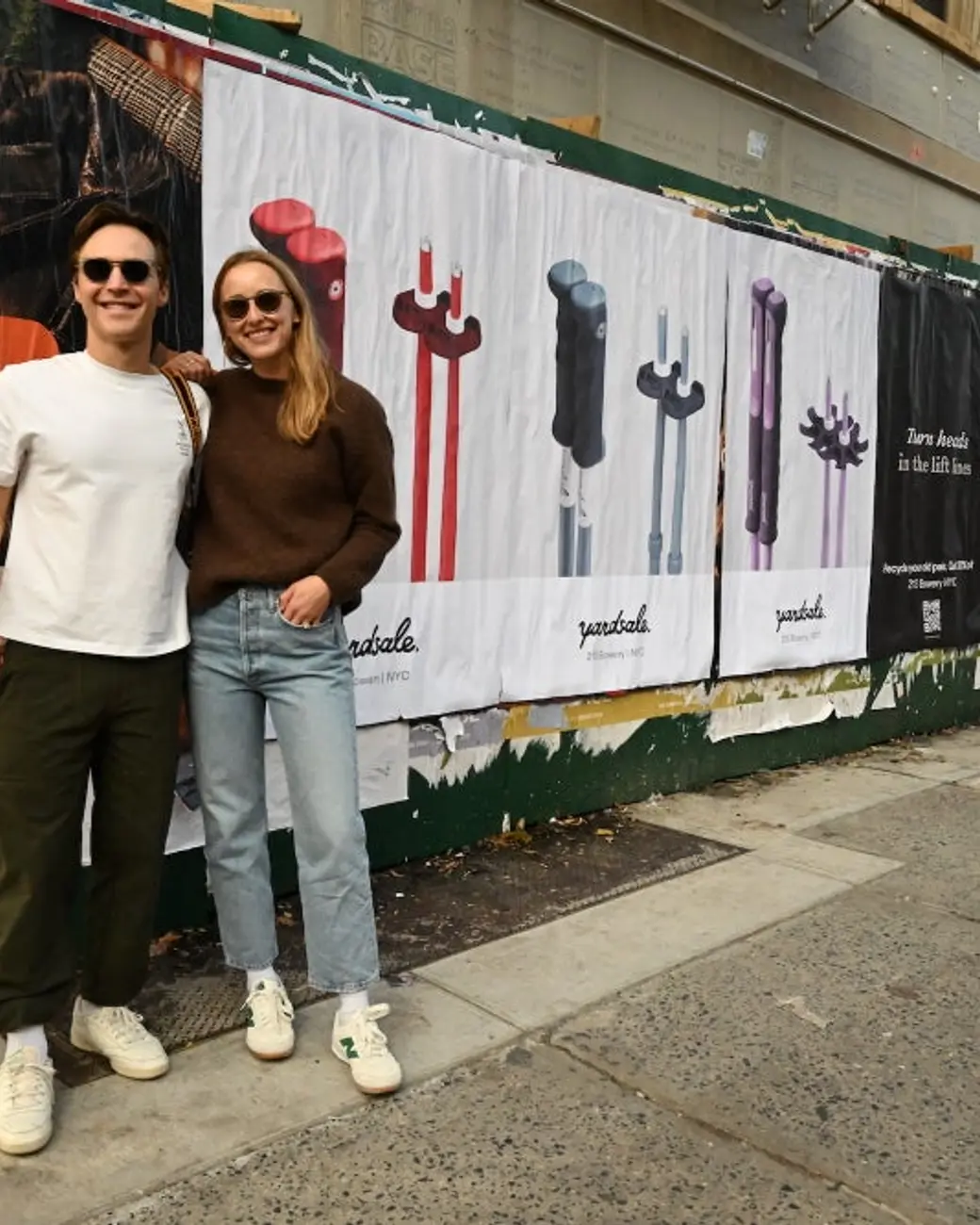
The immediate aftermath of Shark Tank was a whirlwind of success for Yardsale. The "Shark Tank effect" paired perfectly with a viral TikTok video, sending a flood of traffic to their website. By the end of their first ski season (which only lasted four months), the company successfully hit their goal of $300,000 in total sales.
Partnering with Kendra Scott proved to be an incredibly smart move. While the Yardsale founders had engineering and direct-to-consumer digital marketing locked down, Kendra's team brought invaluable expertise in wholesale and retail distribution. Almost immediately after the episode aired, major outdoor retailers began reaching out.
Yardsale quickly secured highly coveted shelf space. Their poles hit the physical floors of REI stores in major outdoor hubs like Denver, Salt Lake City, Seattle, and California. They also secured online distribution with massive e-commerce giants like Backcountry and the global sporting goods retailer Decathlon. Ashbaugh noted that their goal was to transition the company so that wholesale accounts made up 50% of their total revenue within two years.
To capitalize on the momentum, the company expanded its product line to serve a wider audience. They launched the P2 Poles, which feature extended magnetic algae-foam grips and adjustable heights specifically built for backcountry and deep-powder skiers. They also introduced the Mini P1, a scaled-down, adjustable magnetic pole designed for growing kids.
Is Yardsale Still in Business?
Yes, Yardsale is very much still in business and is thriving as a premier outdoor lifestyle brand. Moving beyond just hard goods, the company successfully transitioned into the soft goods space.
They launched their FW24 apparel collection, which included branded wool hats, crewneck sweatshirts, and specialized ski day bags. They also collaborated with other trendy outdoor brands, partnering with Halfdays to release a limited-edition pink P1 ski pole that sold out quickly.
The founders have continuously maintained their focus on the "cozy, warm side" of skiing. They hosted pop-up retail shops in New York City and actively built a highly engaged social media community.
Their direct-to-consumer sales saw a staggering 180% growth year-over-year entering the 2025-2026 season. Looking to the future, the company has heavily considered adapting their patented magnetic technology into the massive summer hiking and trekking pole market.
What is the Valuation & Net Worth of Yardsale?
When Kelly and Cristina accepted Kendra Scott's offer on Shark Tank ($250,000 for 10% equity), the immediate implied valuation of the company was locked in at $2.5 million.
Financially, Yardsale has been a runaway success. They closed their first year with $300,000 in revenue and publicly projected $2.1 million in sales for 2025. Because the company operates with an incredibly high 75% gross margin, they are generating significant cash flow.
By 2026, combining their massive 180% DTC growth with their lucrative new wholesale contracts at REI and Backcountry, the estimated net worth of Yardsale is safely projected between $3.5 million and $5 million.
Where to Buy Yardsale Ski Poles?
Finding a pair of Yardsale ski poles is easier than ever. The best place to purchase them, and the only place to fully utilize their custom color-builder tool, is directly through their official website. Through their DTC site, buyers can mix and match pole shafts, strap colors, and powder baskets to match their ski jackets perfectly.
For shoppers who prefer to feel the product in their hands before buying, Yardsale is widely available at retail. You can find them stocked in select REI flagship locations across the United States, as well as on the websites for Backcountry and Decathlon.
Are Yardsale Reviews Good?
The customer feedback for Yardsale has been overwhelmingly positive. The company even secured the prestigious Core77 Design Award for their innovative approach to sporting goods.
Reviewers continually praise the sheer convenience of the magnets, noting how much easier it is to carry gear from the parking lot to the gondola without dropping everything in the slush. The 3D-knit straps are also a massive hit, as they eliminate the annoyance of trying to thread bulky mittens through a collapsed strap.
While some hardcore, professional skiers have noted that the internal magnets add a slight amount of extra swing weight to the poles, the company has happily reiterated that their product is built for convenience and fun, not for Olympic time trials. For the everyday American skier, Yardsale has proven to be an absolute game-changer on the mountain.

Madhav Kushwaha
SEO Analyst & Digital Marketer
Madhav analyzes complex business pitches and provides high-level updates for tech startups and reality television ventures. Specializing in advanced organic search strategies, he brings clarity to the rapidly evolving digital landscape.