Table of Contents
When the double doors of the Shark Tank swing open, the investor panel expects to see serious entrepreneurs ready to disrupt massive industries. But during Season 16, the Sharks were met with a sight they will likely never forget: a group of male models riding out on Segways, turning around to reveal completely exposed "booty cleavage" through a patented window in their swim briefs. The room erupted into uncontrollable laughter. It was chaotic, hilarious, and entirely unexpected.
For decades, men’s swimwear has been trapped in a cycle of boring board shorts and standard, uninspired trunks. While women’s fashion has endlessly experimented with cutouts, bikinis, and daring silhouettes, men have been left with very few options to show off their bodies.
Moonies arrived in the Tank to flip the script, introducing a product so audacious that it blurred the line between a hilarious gag gift and a legitimate fashion statement.
But behind the cheeky presentation was a very real business proposition, backed by a utility patent and a husband-and-wife team with backgrounds in finance and advertising. They believed they were sitting on a million-dollar idea.
However, when the laughter died down and the financial numbers were revealed, the mood in the room shifted dramatically. This is the complete story of Moonies, the brutal negotiations that took place on national television, and exactly where the controversial swimwear brand stands.
What is Moonies?
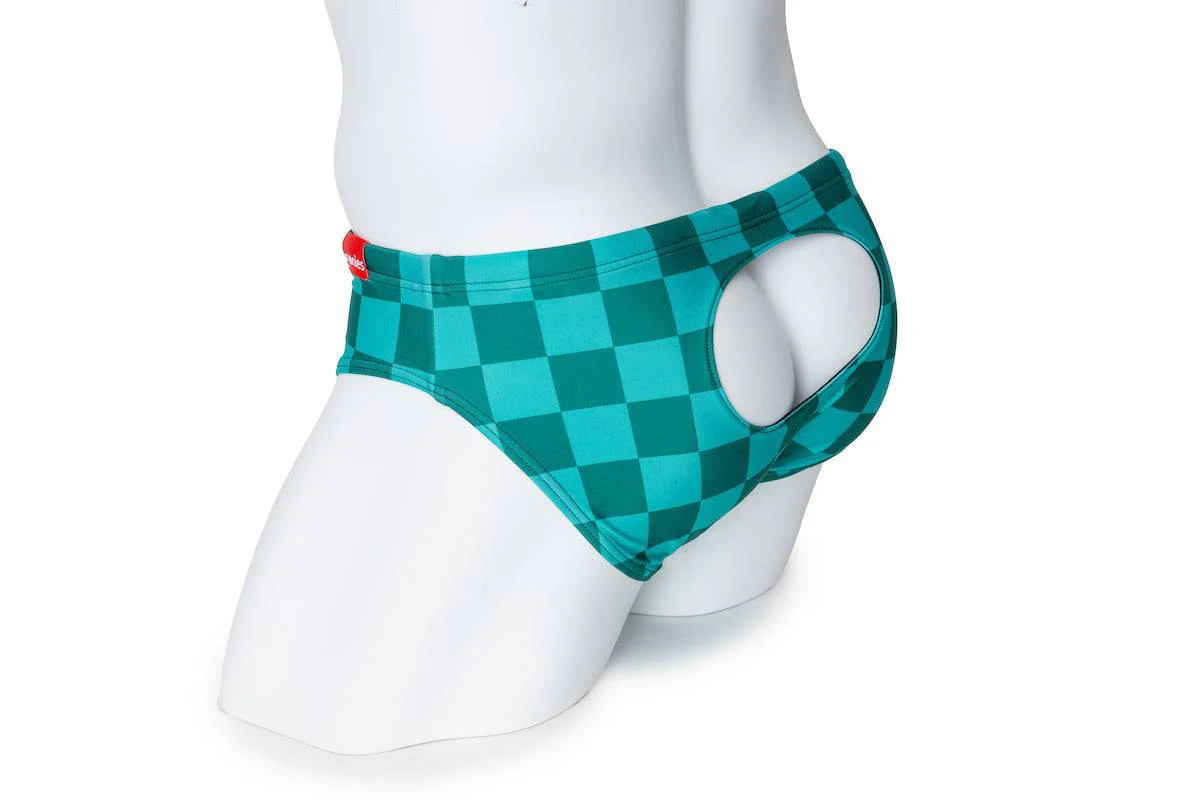
Moonies is a direct-to-consumer apparel brand that specializes in a highly unique, patented style of men’s swimwear. The company’s flagship product is a men's swim brief that features a distinct, reinforced cutout window right at the top of the buttocks. The brand playfully refers to this design as "cleavage for guys."
The core mission of Moonies is to bring fun, expression, and a little bit of shock value back to men’s beachwear. The product is aimed at men who do not take themselves too seriously and want to be the life of the party at pool gatherings, bachelor trips, music festivals, and beach vacations.
While the concept sounds like a pure novelty item, the construction of the swimsuit is remarkably high-quality. The garments are built to be supportive, flattering, and incredibly comfortable. They are engineered to stay in place whether the wearer is playing beach volleyball, doing yoga, or simply operating the grill at a neighborhood barbecue. In 2026, Moonies doubled down on environmental responsibility. Their swimsuits are currently manufactured using 86% recycled polyester, and they ship their products using bags crafted from 100% recycled post-consumer materials.
Customers can choose between two main variations: the "Open Window" style, which fully exposes the skin, and the "Closed Window" style, which offers the exact same aesthetic but with a modest, sheer fabric covering the cutout for those who want the look without the direct exposure.
| Feature | Details |
|---|---|
| Industry | Men's Apparel & Swimwear |
| Founded Year | 2024 (Official Launch) |
| Core Product | Men's swim briefs with a patented back cutout |
| Target Audience | Men seeking humorous, bold, and expressive beachwear |
| Retail Price (2026) | $45.00 |
Who is the Founder of Moonies?
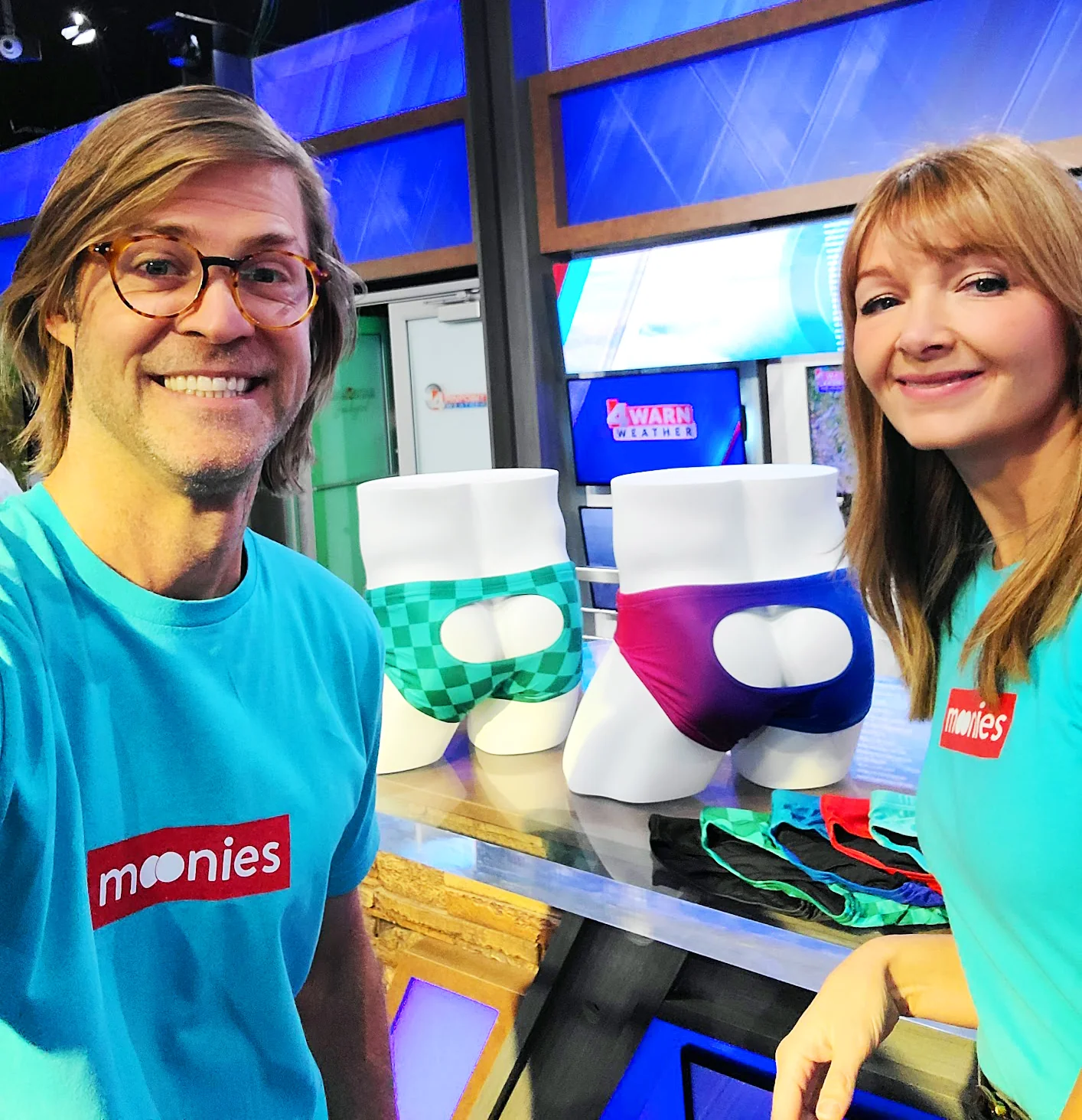
Moonies was founded by the husband-and-wife duo, McKay and Karisa Winkel. Their story is a classic example of American entrepreneurship, where a wild idea born out of necessity eventually transforms into a patented business venture.
The Winkels met in New York City. Karisa was building a career in the fast-paced world of advertising, while McKay was working in the demanding finance sector. Eventually, the couple married, settled down, and started a family, raising four children together. They built a life centered around travel, exploring the outdoors, and pushing themselves outside of their comfort zones.
The actual concept for Moonies was born almost two decades before they ever stepped onto the Shark Tank stage. Eighteen years ago, McKay and Karisa were invited to a weekend getaway on a houseboat at Lake Powell.
As part of the weekend's itinerary, the group hosted a mandatory "Stud of the Lake" Speedo competition for the men. McKay is naturally competitive and wanted to completely blow the audience away, but he couldn't find a swimsuit on the market that was wild enough to guarantee a victory.
Taking matters into his own hands, McKay took a pair of scissors and cut a large hole in the back of a standard Speedo to expose his backside. To ensure the swimsuit wouldn't fall apart, Karisa used her sewing skills to attach a clear plastic window over the hole.
When the competition began, McKay confidently strutted down the houseboat runway to the Village People's hit song "YMCA." The crowd lost their minds. He easily won the title of "Stud of the Lake" and earned lifetime bragging rights among his friend group.
For years after that legendary weekend, friends and family constantly begged the Winkels to make custom versions of the joke swimsuit for bachelor parties and vacations. McKay always harbored a gut feeling that his bizarre invention was actually a million-dollar idea.
However, life got in the way, and it wasn't until many years later that they decided to officially secure a patent for the "viewing window" design. Once the patent was secured, they launched Moonies and took their shot at reality television glory.
Moonies Shark Tank Journey & Pitch
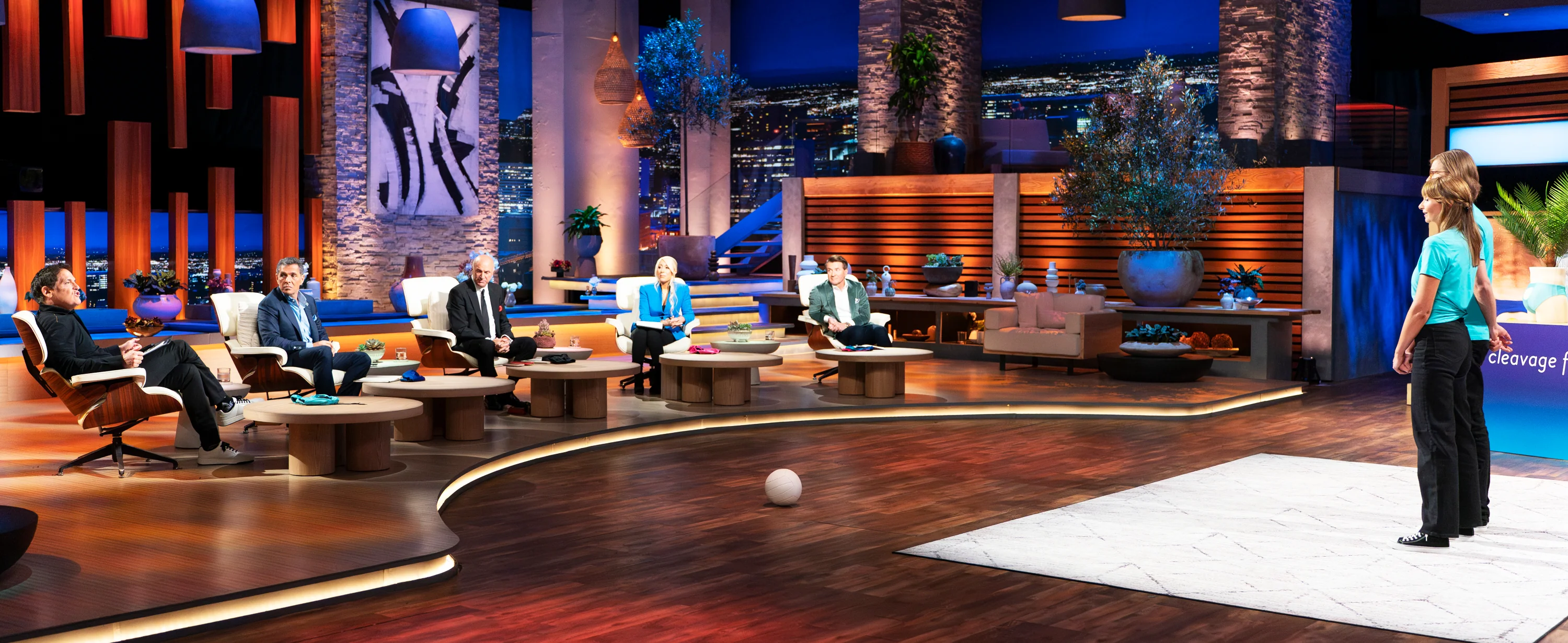
McKay and Karisa Winkel walked into Season 16, Episode 4 of Shark Tank asking for $150,000 in exchange for 35% equity in Moonies. This ask placed the overall valuation of their company at a relatively modest $428,571.
The pitch began with high energy and massive laughs. The Sharks were completely caught off guard by the models, and the sheer audacity of the "cleavage for guys" concept had the entire panel smiling. The Winkels confidently explained their mission to break the boring mold of men's swimwear.
But in the Shark Tank, laughter only gets you so far. When the conversation shifted from the runway to the balance sheet, the temperature in the room plummeted.
Lori Greiner asked the most important question of the day: "What are your sales?" Karisa enthusiastically replied that they were currently in their "big launch" phase. McKay then delivered the crushing blow, admitting that they had only sold about $1,000 worth of product.
The Sharks were visibly shocked. Despite Karisa's background in advertising and McKay's background in finance, they had virtually zero market validation. McKay quickly tried to pivot the conversation to their incredibly strong unit economics. He explained that a single Moonies swimsuit retails for $40 on their website. It costs them $12.50 to manufacture a single unit, and if they scaled up to bulk ordering, that cost would drop to just $9.00. This represented a massive profit margin of over 77%.
Furthermore, they explained that they had deliberately kept their social media presence quiet while waiting for their strict utility patent to be officially granted.
Mark Cuban was the first to drop out. While he admitted that their valuation was completely reasonable and the unit economics were great, he simply did not believe the total addressable market was large enough to justify his time. He saw it as a niche gag gift, not a scalable enterprise.
Guest Shark Daniel Lubetzky (founder of KIND Snacks) was the next to exit. He told the founders that based on their lack of sales and marketing effort, he did not see the entrepreneurial "grit" required to build a brand from scratch.
Robert Herjavec followed suit immediately after, bluntly stating that "nothing sells itself" and that he simply could not get behind the vision.
This left Kevin O'Leary and Lori Greiner. O'Leary, never one to mince words, saw a completely different angle. He didn't care about Moonies as a standalone brand; he cared about the patent.
O'Leary had previously invested in a highly successful men's shapewear brand called Rounderbum. He realized that owning the legal rights to the "back window" design could be incredibly lucrative if applied to his existing, massive distribution network.
In a rare Shark Tank move, O'Leary offered to give the Winkels their requested $150,000, but not for 35% of the company. He wanted to buy 100% of their patent outright, effectively taking control of the invention and leaving the Winkels with a lump sum of cash.
The Winkels were hesitant. They believed their brand was worth more than a simple buyout. At this point, Lori Greiner stepped in, not to make an offer, but to aggressively coach the founders. She told them their idea was worth more and urged them to fight for a royalty. Emboldened by Lori, McKay asked O'Leary if he would do the $150,000 buyout plus a $5 royalty on every unit sold forever. O'Leary flatly refused.
Determined not to give away their life's work for cheap, the Winkels made one final, desperate counteroffer: they would sell the patent outright, with no royalties, for a flat $500,000. O'Leary rejected the counter without hesitation. With no other options on the table, McKay and Karisa walked out of the Tank without a deal.
| Pitch & Offers | Details |
|---|---|
| Initial Ask & Valuation | $150,000 for 35% equity ($428K Valuation) |
| Sharks in the Room | Mark Cuban, Kevin O'Leary, Lori Greiner, Robert Herjavec, Daniel Lubetzky |
| Kevin O'Leary's Offer | $150,000 to buy 100% of the patent outright |
| Founders' Counteroffers | 1. $150K + $5/unit royalty. 2. $500K for 100% of the patent. |
| Final Deal | No Deal. The founders walked away. |
What Happened to Moonies After Shark Tank?
Walking away from a cash offer on national television is a massive risk, but for Moonies, it immediately paid off in terms of brand awareness. The moment their episode aired in late 2024, the internet exploded with commentary. Social media platforms like X (formerly Twitter) and Reddit were flooded with opinions.
The feedback was incredibly polarizing. Some traditional viewers agreed with Mark Cuban, calling it the "worst Shark Tank product of all time" and dismissing it as a $40 joke. However, other demographics saw massive potential.
Online communities quickly pointed out that the brand could easily become a massive hit within the LGBTQ+ community, at summer music festivals, and as a staple for bachelor party weekend trips.
The Winkels capitalized on the sudden surge of national attention flawlessly. While the episode was airing, they took to their official Instagram account to interact with fans and immediately dropped a promotional code ("SHARKTANK") offering free shipping to anyone who purchased a swimsuit that night.
In a subsequent interview on social media, McKay noted that the entire Shark Tank process was a "wild experience," but stressed that they had zero regrets about turning down Kevin O'Leary. The influx of traffic to their website completely shattered their previous $1,000 lifetime sales record within a matter of days. By retaining 100% ownership of their patent and their equity, they were now fully in control of their own destiny.
Is Moonies Still in Business?
Yes, Moonies is very much still in business. Despite the harsh criticisms from some of the Sharks regarding their lack of early hustle, McKay and Karisa Winkel proved that they do, in fact, have the grit required to run an e-commerce company.
Over the past two years, the brand has matured significantly. They have transitioned from a single-joke concept into a fully fleshed-out apparel website. They heavily promote their commitment to the environment, leaning into their use of recycled post-consumer plastics.
Furthermore, Moonies has drastically expanded its product catalog. While they still sell the original solid colors, they have introduced highly requested, vibrant patterns designed to stand out at pool parties.
Their most popular designs include the "Rainbow Ombre," "Checkerboard," "Aloha," "Black Swan," and a psychedelic "Warped" pattern. They have also successfully maintained the "Closed Window" product line for customers who want the aesthetic joke without actually showing bare skin.
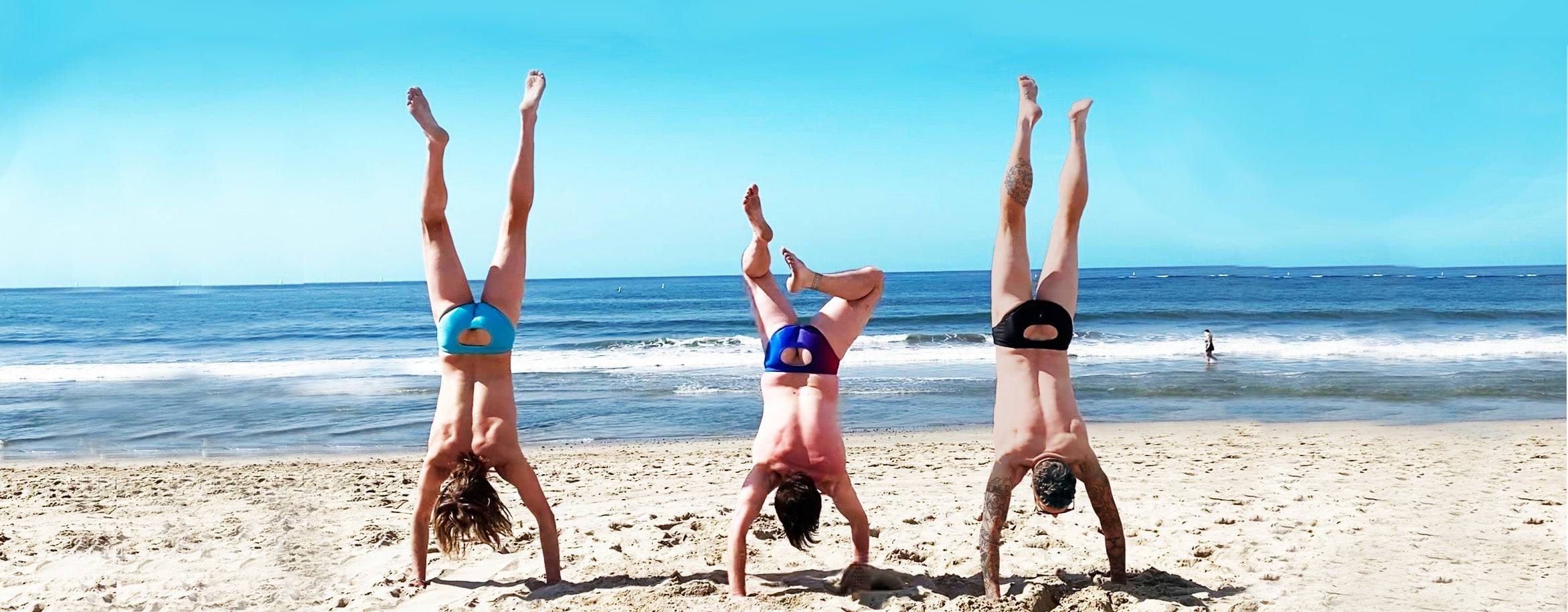
The company remains highly active on Instagram, constantly sharing customer-submitted photos from beaches and lakes all over the world.
What is the Valuation & Net Worth of Moonies?
Estimating the exact valuation of a privately held, direct-to-consumer apparel brand can be difficult, but based on industry standards and their post-Shark Tank trajectory, the financial picture for Moonies is quite healthy.
When the Winkels pitched the Sharks in late 2024, they valued their company at roughly $428,000. Because they walked away from Kevin O'Leary's buyout offer, McKay and Karisa retained 100% equity in their business.
Following the massive exposure of prime-time television, the "Shark Tank effect" brought a massive wave of new customers. By slightly raising their retail price to $45 while maintaining their low production costs of $9 to $12.50 per unit, their profit margins have remained incredibly strong.
Business analysts estimate the overall valuation of Moonies to be around $522,000. While they are not generating tens of millions in revenue like some Shark Tank hall-of-famers, they have successfully built a highly profitable, self-sustaining lifestyle business. The estimated net worth of the founders has grown significantly alongside the company, proving that holding onto their patent was ultimately the right financial decision.
Where to Buy Moonies?
Because Moonies is a niche, novelty apparel item, you will not find them hanging on the racks at traditional big-box retailers like Target or Walmart. The Winkels have maintained a strict direct-to-consumer business model to protect their high profit margins.
The absolute best place to purchase Moonies swimwear is directly through their official website (moonies.co). Buying directly from the manufacturer ensures that customers are getting the authentic, patented product rather than a cheap, low-quality knockoff. The website frequently offers seasonal sales, bundle deals, and free shipping promotions for first-time buyers.
Are Moonies Reviews Actually Good?
One of the biggest questions surrounding Moonies is whether a "joke" swimsuit is actually wearable. According to verified customer reviews, the answer is a resounding yes.
While buyers initially purchase the swimsuits for the shock value, the most common praise found in online reviews is regarding the actual build quality.
Customers frequently note that the stitching is highly durable, the recycled polyester fabric is soft and stretchy, and the fit is remarkably true to size. Recent reviews highlight that the company updated their sizing to make the hips slightly slimmer, which prevents the swimsuit from sagging when wet.
Whether purchased as a gag gift for a brother or bought genuinely for a weekend in Palm Springs, buyers consistently report that the swimsuits hold up perfectly in the water and achieve exactly what they are designed to do: turn heads and start conversations.

Madhav Kushwaha
SEO Analyst & Digital Marketer
Madhav analyzes complex business pitches and provides high-level updates for tech startups and reality television ventures. Specializing in advanced organic search strategies, he brings clarity to the rapidly evolving digital landscape.