Table of Contents
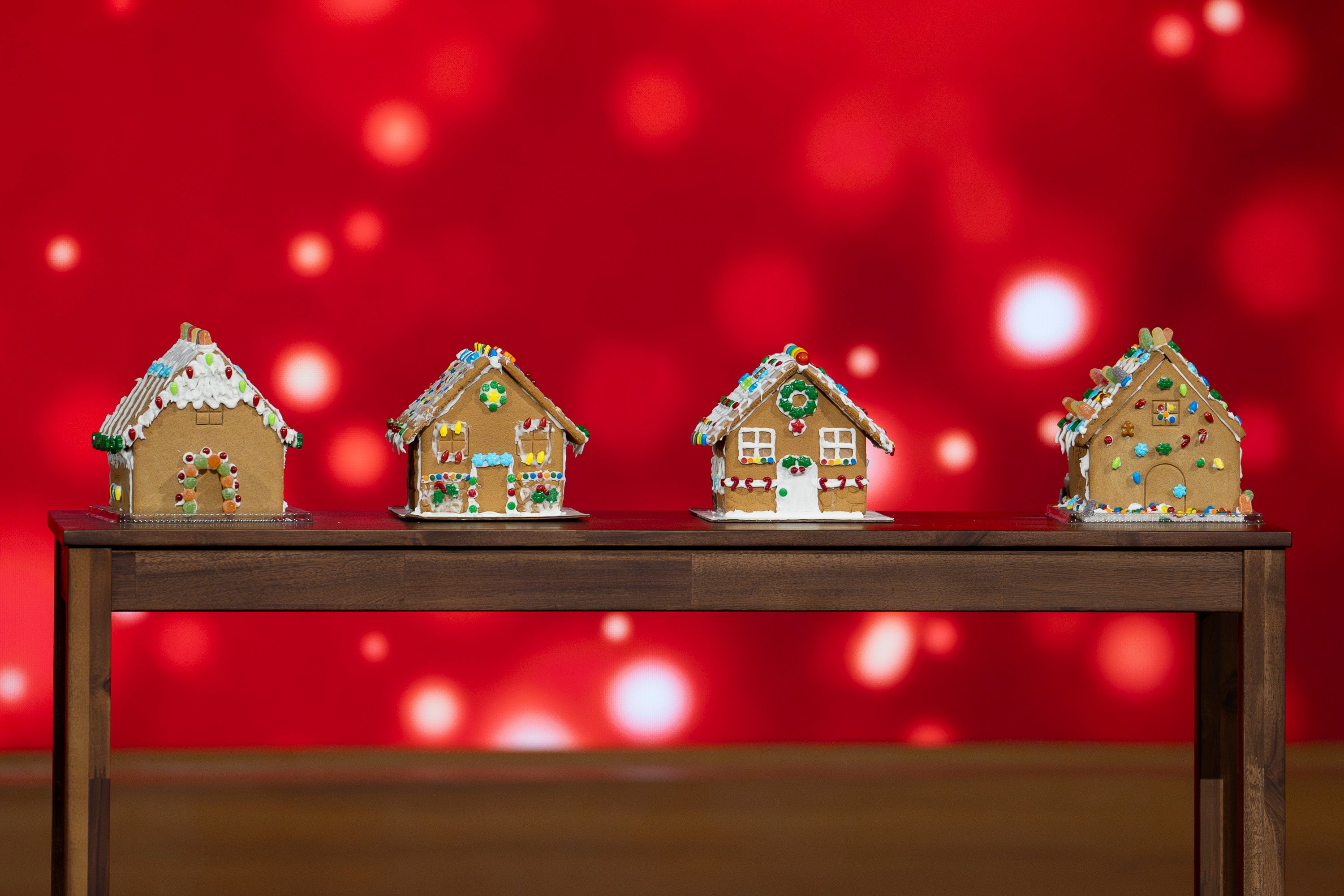
It is the classic holiday trap. You spend hours meticulously gluing hard gingerbread together with cheap royal icing, decorating it with candy you have no intention of eating, only to let it gather dust on the counter for three weeks before throwing it in the trash. It is a festive waste of time and money.
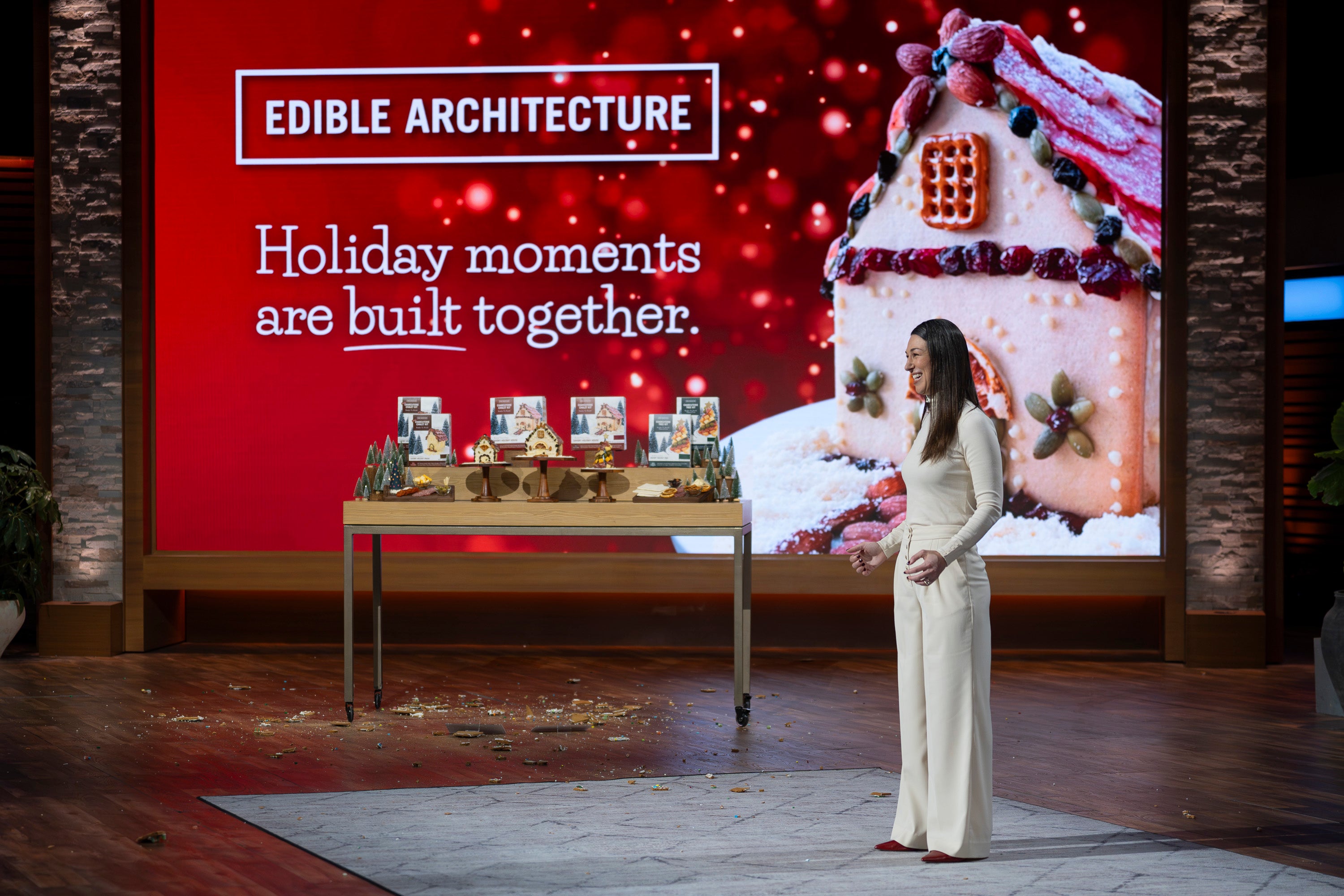
Enter Avital Ungar, an entrepreneur who walked onto the set of Shark Tank Season 17 with a radical, mouth-watering solution: a "grown-up" gingerbread house made entirely of premium, savory charcuterie. The pitch immediately split the room. Some Sharks saw a fun, viral holiday centerpiece, while others viewed it as a messy, bizarre concept.
But behind the novelty of salami roofs and parmesan snow was a rock-solid business plan boasting millions in sales. The drama in the Tank was real, but the retail numbers were impossible to ignore. Let's dig into the Edible Architecture Shark Tank update.
What is Edible Architecture?
Edible Architecture is a food and beverage company that sells DIY charcuterie building kits. Instead of sweet gingerbread and icing, these kits use shelf-stable savory ingredients. Customers receive everything they need to build an edible house or tree right out of the box.

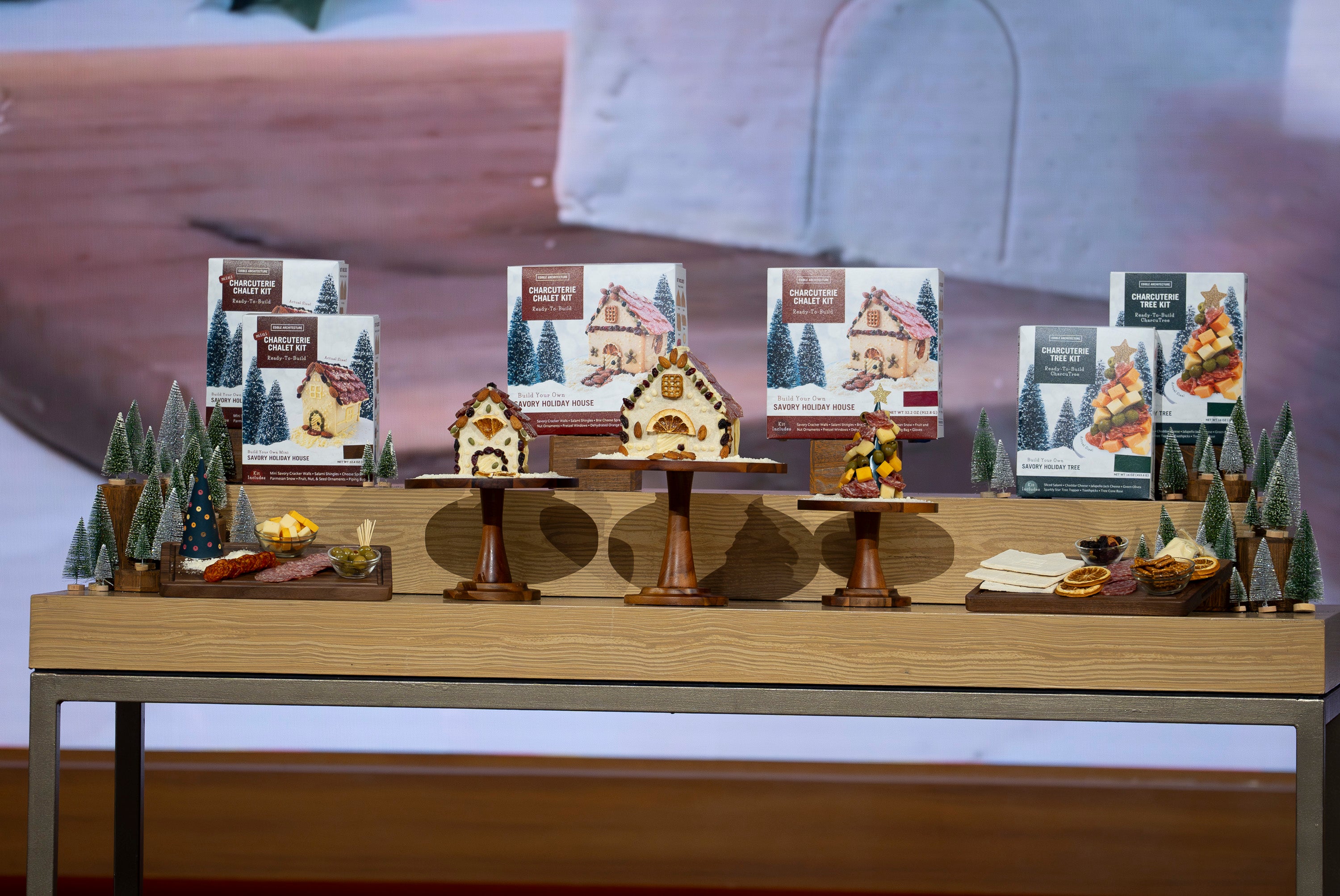
The kits include flatbread crackers for the structure, spreadable cheese to act as the "glue," cured meats like salami to use as roof shingles, and various decorative items like pretzel stick fences, parmesan "snow," and olive ornaments.
The primary target audience is adults looking for a fun, interactive holiday activity that actually tastes good when the building is done. It is designed for girls' nights, adult holiday parties, and couples wanting a unique date night experience.
The genius behind the product is its logistics. Because the ingredients are entirely shelf-stable and do not require immediate refrigeration, they are incredibly easy to ship across the country during the busy holiday season and simple for big-box retailers to stock on their shelves.
| Product Overview | Details |
|---|---|
| Industry | Food & Beverage / Specialty Foods |
| Founded Year | 2024 |
| Core Product | Charcuterie Chalet Kits & CharcuTree Kits |
| Target Audience | Adults, party hosts, and couples seeking holiday activities |
| Retail Price | $19.99 (Mini Chalet) to $48.99 (Combo Kits) |
Who is the Founder of Edible Architecture?
Avital Ungar is the creative mind behind Edible Architecture. Operating out of San Francisco, California, Ungar was already a seasoned business owner long before she stepped into the Shark Tank. She is the founder of Avital Experiences, a highly successful company that curates food tours, unique private dining events, and interactive team-building exercises for corporate clients.
The idea for Edible Architecture started as a bit of an office joke. Ungar noticed how traditional gingerbread houses were a massive letdown for adults. They look pretty but taste terrible. She scraped together a few ingredients from local shops, built a savory prototype, and brought it to a company office party. The reaction was electric. Her colleagues loved the taste, the interactive element, and the sheer humor of eating a "meat house."
Seeing the demand, she initially pitched the concept to her corporate clients as a premium, $130 luxury food box. People happily paid for it. Realizing she had a viral hit on her hands, Ungar scaled the idea down, sourced shelf-stable ingredients, and created an affordable retail version.
In November 2024, Edible Architecture officially hit the market, allowing anyone in the United States to build their very own charcuterie chalet.
Edible Architecture Shark Tank Journey & Pitch
Avital Ungar appeared on Shark Tank Season 17, Episode 7, a special holiday-themed episode that aired in December 2025. She entered the Tank asking for $150,000 in exchange for 10% equity, giving her company a baseline valuation of $1.5 million.
She kicked off her presentation by dramatically smashing a traditional gingerbread house to highlight the flaws of the old tradition. She then unveiled her beautifully crafted Charcuterie Chalets. The panel of Sharks, Kevin O'Leary, Lori Greiner, Daymond John, Barbara Corcoran, and Daniel Lubetzky were immediately handed their own mini-kits to build and taste test.
While the Sharks chewed on salami and crackers, Ungar dropped her financial numbers, which quickly changed the tone in the room. She revealed that in 2024, her first year in business, she brought in $123,000 in revenue with a modest net profit of $3,500. However, 2025 was a completely different story.
At the time of filming, she had already generated $1.17 million for the year and confidently projected she would hit the $2 million mark by the end of the holiday season. The product was already sitting on the shelves of massive national retailers, including Costco, World Market, and Albertsons.
The margins were also healthy. A Classic Charcuterie Chalet cost $10.68 to manufacture, sold wholesale to retailers for $14.29, and retailed directly to consumers for $29.99.
Despite the great numbers, the pitch hit a wall. Kevin O'Leary was the first to drop out. Staring at the meat-covered house in disgust, he declared that Ungar had "violated the honor of the gingerbread house." He jokingly warned that children would cry if they came downstairs on Christmas morning to find a "Salami Shack" on the table.
Barbara Corcoran was next to exit. She argued that once people took a few bites out of the house, the remaining structure would look unappealing and messy at a fancy party. Daniel Lubetzky and Daymond John both passed as well; Daymond specifically noted he did not want to get tied up in funding massive retail purchase orders (POs) when things inevitably go wrong in the supply chain.
That left Lori Greiner. Lori was thrilled. She pointed directly to her previous Shark Tank investment in a brand called Boarderie, a pre-assembled charcuterie board company that had recently crossed $120 million in lifetime sales.
Lori understood the premium meat and cheese market perfectly. She initially offered $150,000 for a steep 25% equity stake, stating she refused to just act as a bank to fund purchase orders, she wanted to be an active, guiding partner.
Ungar boldly countered, asking for $200,000 for 15% or $150,000 for 17%. The tension rose as Lori held her ground, eventually settling at her absolute lowest limit of 18%. Knowing Lori's unmatched power in the retail and QVC space, Avital accepted the deal.
| Pitch & Offers | Details |
|---|---|
| Initial Ask & Valuation | $150,000 for 10% ($1.5 Million Valuation) |
| Sharks in the Room | Kevin O'Leary, Lori Greiner, Daymond John, Barbara Corcoran, Daniel Lubetzky |
| Kevin O'Leary | Passed (Disliked the concept; called it a "Salami Shack") |
| Barbara Corcoran | Passed (Felt the product looked messy once eaten) |
| Lori Greiner's Offer | $150,000 for 25%, later negotiated down to 18% |
| Final Deal Accepted | $150,000 for 18% with Lori Greiner |
What Happened to Edible Architecture After Shark Tank?
The immediate aftermath of the Shark Tank holiday episode was massive. The "Shark Tank Effect" hit Edible Architecture hard. Because the episode aired just weeks before Christmas, the timing was absolutely perfect for last-minute holiday shoppers.
The company's direct-to-consumer website was flooded with traffic from viewers who thought the idea was brilliant, completely ignoring Kevin O'Leary's critiques.
The brand's social media platforms, particularly Instagram and TikTok, saw a massive spike in engagement. Food influencers and everyday customers started posting videos of their "Salami Shacks," showing off their messy, hilarious attempts at building the chalets while drinking wine. This user-generated content acted as free, highly effective marketing.
Working with Lori Greiner paid off immediately. Lori's team helped streamline the company's fulfillment process, ensuring that the heavy surge of orders brought in by the show was shipped out on time without the shelf-stable ingredients spoiling or getting crushed in transit.
Is Edible Architecture Still in Business?
Yes, Edible Architecture is still very much in business and thriving. The company successfully capitalized on their Shark Tank appearance and transitioned from a viral novelty into a staple holiday brand.
Today, their product lineup has expanded slightly but remains focused on their core winning items. They offer the Classic Charcuterie Chalet, a smaller Mini Charcuterie Chalet for budget-conscious shoppers, and the highly popular CharcuTree Kit, an edible, savory Christmas tree made by stacking cheese cubes, olives, and folded salami on a wooden stand.
Demand is so consistently high that items on their website frequently toggle between "Sold Out" and "Preorder" status. They have maintained their lucrative wholesale partnerships with Costco, H-E-B, Big Lots, and Albertsons, heavily relying on these massive retail footprints to drive the bulk of their revenue.
The business is fully operational, independently owned, and continues to be run by Avital Ungar out of San Francisco.
What is the Valuation & Net Worth of Edible Architecture?
When Avital Ungar shook hands with Lori Greiner on Shark Tank in late 2025, the agreed-upon deal of $150,000 for 18% equity gave Edible Architecture an implied valuation of exactly $833,333.
However, given the company's confirmed trajectory of hitting $2 million in sales by the close of 2025, and their sustained growth, that on-screen valuation is now outdated. In the specialty food and beverage space, successful direct-to-consumer brands with strong big-box retail distribution generally trade at a multiple of 1.5 to 2.5 times their annual revenue.
Based on their continued retail expansion and the massive boost from Lori Greiner, the 2026 estimated valuation of Edible Architecture sits comfortably between $3 million and $4.5 million. The estimated net worth of the business reflects this strong standing.
Avital Ungar, who retains the vast majority of the company's equity, has seen her personal net worth rise significantly thanks to the aggressive profitability of the kits and her continued success running her separate corporate events business, Avital Experiences.
Where to Buy Edible Architecture?
If you are looking to build your own savory holiday house, you have several options. The most direct route is through the official Edible Architecture website. Buying direct ensures you get access to exclusive bundles, like the Charcuterie Chalet & CharcuTree Combo Kit. However, due to high online demand, you may have to pre-order your kit weeks in advance of the holiday season.
If you prefer to pick one up in person, Edible Architecture has an impressive physical retail presence. During the holiday months, you can find the kits stocked in the seasonal aisles of major American supermarkets and warehouse clubs.
Costco frequently carries them in bulk displays, while regional grocers like H-E-B and Albertsons keep them fully stocked in their specialty cheese and deli sections. World Market is also a highly reliable retailer for finding the mini-kits.
Are Edible Architecture Reviews Good?
The reviews for Edible Architecture are overwhelmingly positive, specifically because customers understand the assignment. People are not buying these kits for Michelin-star culinary perfection; they are buying them for the experience.
Most online reviews highlight how fun and low-stress the building process is compared to baking and icing a real gingerbread house. Customers love that the ingredients are actually delicious and act as a functional appetizer for holiday parties.
The most common minor complaint found in reviews revolves around the structural integrity of the house, sometimes the spreadable cheese takes a bit of work to hold the heavy salami shingles in place.
However, as the founder herself has pointed out, if the roof collapses, you just eat it. The low-stakes, humorous nature of the product is exactly why it boasts such high ratings across social media and retail platforms.