Table of Contents
We have all been there. You pick up your smartphone to check a single text message, and suddenly, an hour has vanished into a black hole of endless scrolling. Phone addiction is an undeniable American epidemic, and standard software features like Apple’s Screen Time rarely work because they are just too easy to bypass with a simple tap of an "Ignore Limit" button.
Enter Bloom. Two exhausted college students decided they had enough of losing their days to digital distraction and built a physical, real-world solution to a virtual problem. When they stepped onto the iconic Shark Tank rug in early 2026, they brought a simple piece of stainless steel that promised to give millions of Americans their time back and sparked a massive bidding war among the Sharks.
What is Bloom?
Bloom is a digital wellness company that produces a physical, stainless-steel smart card designed to forcibly lock you out of distracting smartphone apps. While traditional screen time limiters rely entirely on software, meaning you can override them on the same screen you are looking at, Bloom relies on the psychology of physical separation.
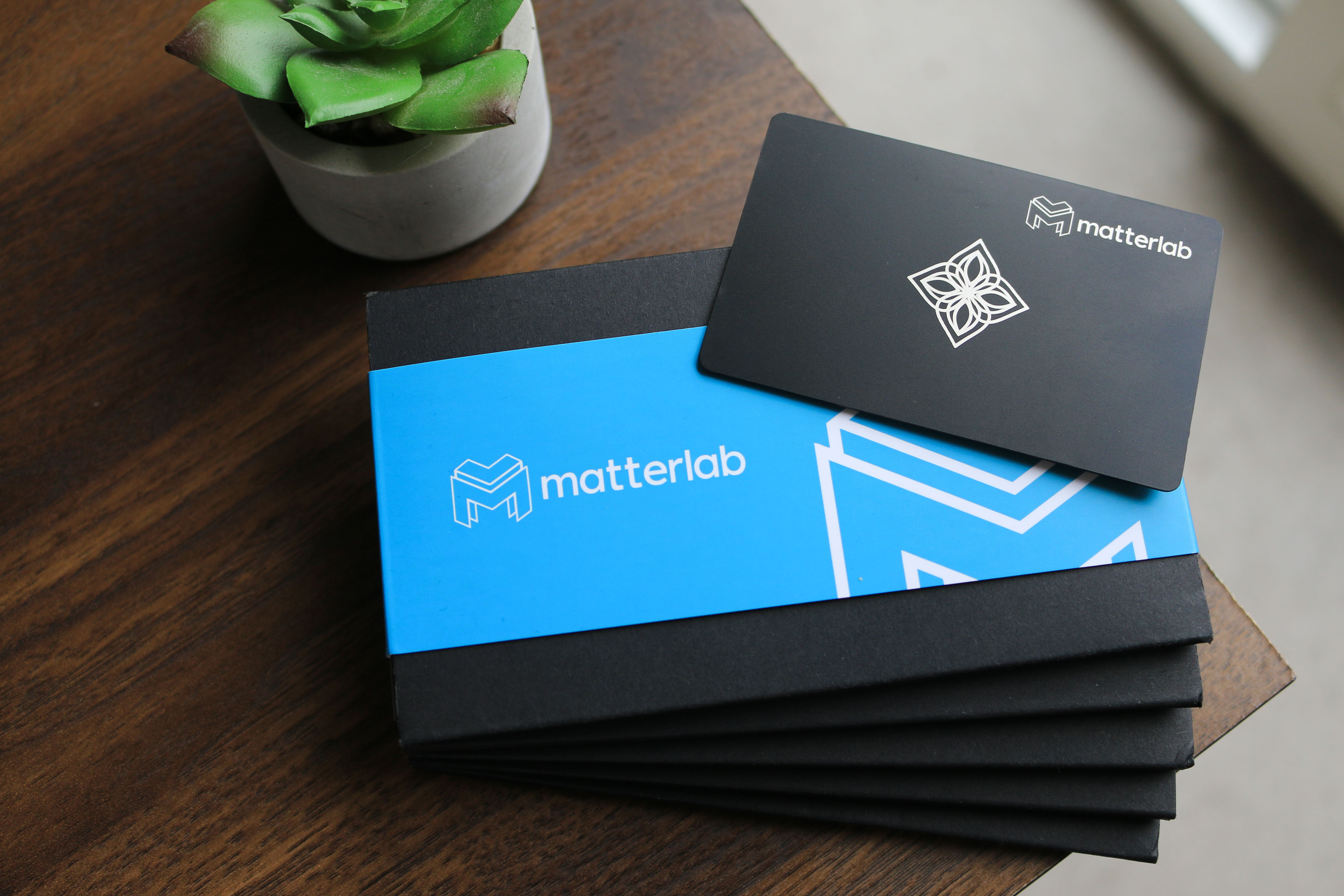
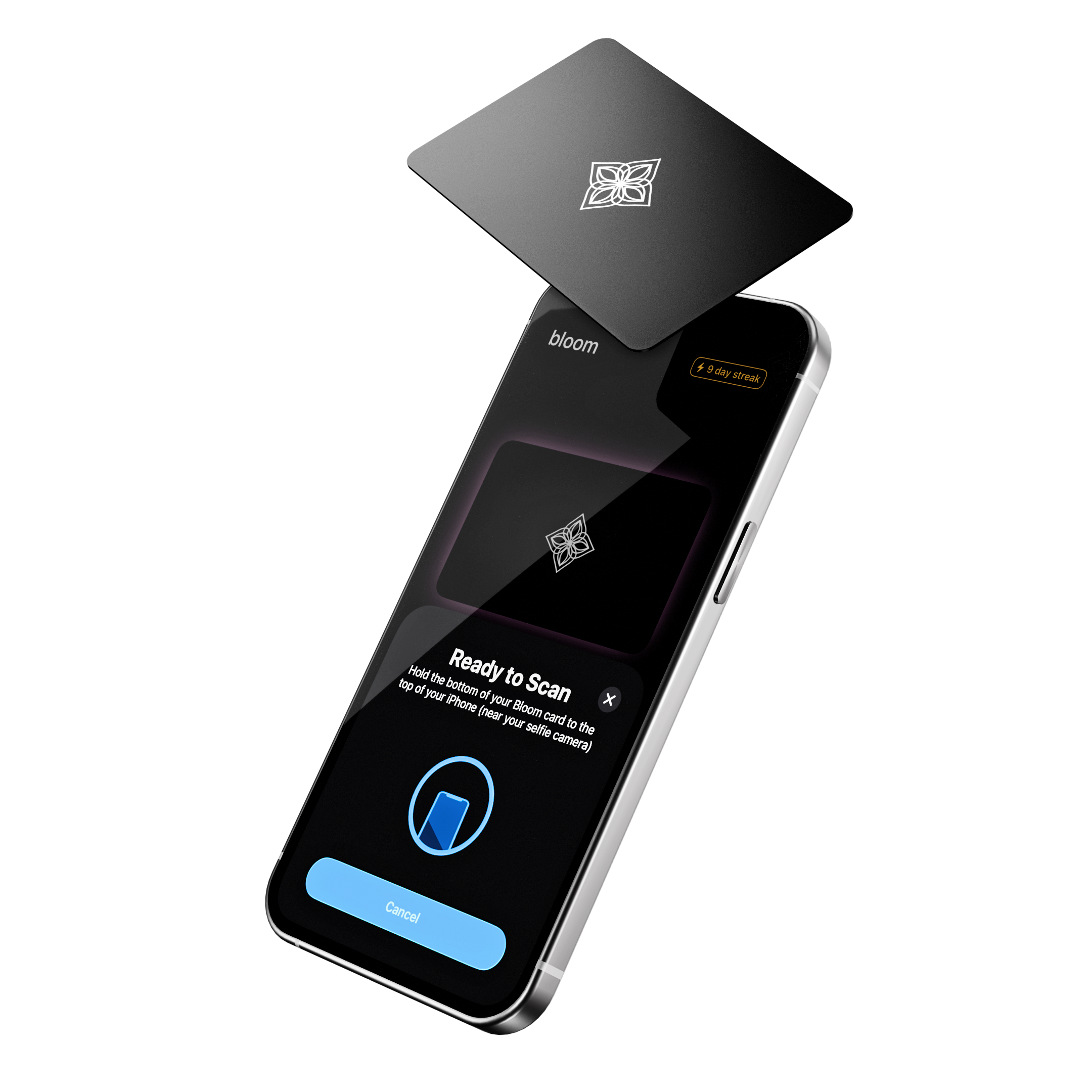
The system requires two components: the Bloom mobile app and the physical Bloom card. Users open the app, select the specific applications they want to block (like social media, games, or news feeds), and then tap the stainless-steel card against the back of their phone using Near Field Communication (NFC) technology.
Once tapped, those distracting apps are completely locked down. The only way to unlock them is to physically tap the card against the phone again. By leaving the card in another room, in a parked car, or at the office, users force themselves to create a physical barrier between their brain and their bad habits. It removes the ability to cheat the system.
Bloom retails for a one-time fee of $39. There are no pesky monthly subscription fees, which makes it highly attractive to younger demographics. Even better from a business perspective, the card only costs $2.77 to manufacture, leaving the company with massive profit margins that immediately caught the attention of the Sharks.
| Business Overview | Details |
|---|---|
| Industry | Digital Wellness & Consumer Tech |
| Core Product | NFC-Enabled Stainless-Steel App Blocker |
| Target Audience | Students, professionals, and anyone struggling with screen time |
| Retail Price | $39.00 (One-time fee) |
| Manufacturing Cost | $2.77 per card |
Who is the Founder of Bloom?
Bloom was founded by Giancarlo Novelli and Danny Chmaytelli, two college entrepreneurs who met in a dorm room at the University of California, Los Angeles (UCLA).
Like most Gen Z students, Giancarlo and Danny realized that their smartphones were holding them hostage. They would sit down to study for exams, grab their phones "just for a minute," and lose hours of productivity. They tried all the standard productivity apps and digital timers, but nothing stuck. They always found a workaround, memorized their own passwords, or just turned the limiters off.
Bloom was never originally intended to be a national business. It started as a personal fix for the two founders and a few close friends around the UCLA campus. However, once they saw the immediate, drastic change in their daily routines, they realized they had a highly marketable product on their hands. Believing entirely in their mission, Giancarlo and Danny made the risky decision to turn down prestigious summer internships and drain their personal savings accounts to manufacture the first batch of Bloom cards.
Their gamble paid off. Through clever marketing—specifically highly targeted Meta (Facebook and Instagram) advertisements aimed at young adults and professionals struggling with screen time—Bloom exploded out of the gate.
Bloom Shark Tank Journey & Pitch
Giancarlo and Danny walked into the Shark Tank during Season 17, Episode 16, which aired in early 2026. The duo stepped onto the carpet seeking $75,000 in exchange for a 5% equity stake in their company. This ask gave Bloom an initial valuation of $1.5 million.
The pitch began with a highly relatable demonstration. The founders explained the universal frustration of screen addiction and demonstrated how easily built-in phone controls are bypassed. They then showcased the physical tapping motion required by the Bloom card, proving how distance and physical separation are the ultimate tools for building discipline.
The Sharks were initially skeptical about whether a physical card could truly break a digital habit, but the mood in the room shifted instantly when Giancarlo and Danny dropped their financial numbers.
The UCLA students revealed that in just six months of operation, entirely self-funded, they had generated $220,000 in sales. Even more impressively, they had already pulled in $60,000 in pure profit. When they disclosed that the card costs just $2.77 to make and sells for $39, the Sharks smelled blood in the water.
| Pitch & Offers | Details |
|---|---|
| Initial Ask | $75,000 |
| Equity Offered | 5% |
| Implied Valuation | $1,500,000 |
| Sharks in the Room | Included Kevin O'Leary, Lori Greiner, and guest Shark Daniel Lubetzky |
| Offers Made | Kevin O'Leary: $75,000 for 33.3% |
| Final Deal Accepted | $75,000 for 20% equity with Daniel Lubetzky |
Kevin O'Leary, who famously hates complex tech hardware but loves high margins, jumped in. Although he initially criticized the concept, the massive cash flow was too good to pass up. O'Leary offered them the requested $75,000, but in true "Mr. Wonderful" fashion, he demanded a whopping 33.3% equity stake in the business.
Lori Greiner praised the founders for their hustle and potential but eventually stepped back. Kevin O'Leary dug his heels in, insisting he would go solo on the deal and refusing to drop his high equity demand.
The founders knew 33.3% was far too expensive to give away so early in their business journey. In a bold move, they turned their attention to guest Shark Daniel Lubetzky. They made a direct counter-pitch to Lubetzky, asking him if he would match the $75,000 but for a much more reasonable 20% equity stake. Impressed by their sales, their margins, and their firm negotiation tactics, Lubetzky agreed. Giancarlo and Danny walked out of the Tank with a deal.
What Happened to Bloom After Shark Tank?
The immediate aftermath of a Shark Tank appearance is known as the "Shark Tank Effect," a massive surge in website traffic and sales driven by prime-time television exposure. Because Season 17, Episode 16 aired in the Spring of 2026, Bloom is currently right in the middle of this massive spike.
Prior to the show, Bloom had relied heavily on paid Meta advertisements to acquire customers. While this strategy clearly worked to generate their first $220,000, customer acquisition costs on social media can fluctuate wildly. The national, free television exposure from ABC has allowed Bloom to dramatically lower their marketing spend while simultaneously experiencing record-breaking traffic.
With Daniel Lubetzky on board, the founders are currently scaling their inventory to ensure they do not sell out during the post-show rush. The company’s immediate challenge is avoiding backorders, a common pitfall for hardware companies that go viral on Shark Tank.
Is Bloom Still in Business?
Yes, Bloom is very much still in business. In fact, they are thriving. The company continues to operate directly out of its headquarters in California, and the founders have fully transitioned from UCLA dorm-room tinkerers to full-time tech executives.
The biggest existential threat to Bloom is not another startup, but rather the tech giants themselves. Apple and Google both control the operating systems (iOS and Android) that Bloom relies on to function. If Apple decides to release a physical NFC accessory to pair with its native Screen Time app, it could theoretically crush Bloom overnight. However, business analysts and tech commentators note that Apple and Google are heavily incentivized to keep users glued to their screens, making it unlikely they will create a physical barrier to their own highly profitable ecosystems anytime soon.
What is the Valuation & Net Worth of Bloom?
When Giancarlo and Danny first pitched the Sharks, they asked for $75,000 for 5%, which placed the company's valuation at exactly $1.5 million.
However, Shark Tank valuations are rarely the final word. By accepting Daniel Lubetzky's offer of $75,000 for 20% equity, the founders agreed to a newly minted valuation of $375,000. While this is a significant haircut from their original asking price, it is a highly realistic valuation for a hardware startup that is only six months old.
As of today, the estimated net worth of the business is rapidly climbing. Factoring in their initial $220,000 in pre-show revenue and the massive influx of sales following their television appearance, Bloom is currently pacing toward a $500,000 to $1,000,000 annual revenue run rate.
Given their incredible profit margins, costing under $3 to make and selling for nearly $40, the company is highly cash-flow positive. The founders themselves have an estimated combined net worth tied directly to their 80% remaining ownership of the rapidly growing company.
Where to Buy Bloom?
If you are looking to lock away your scrolling habits, you will not find Bloom in big-box retailers like Target or Best Buy just yet. Currently, the only place to purchase the authentic Bloom card is directly through the company’s official website.
The product is available for a flat rate of $39. The company has explicitly kept the product free of monthly subscriptions, setting it apart from many other digital wellness apps on the market that charge users upwards of $10 a month just to lock their own phones.
Best Bloom Alternatives
While Bloom is currently making waves thanks to its Shark Tank appearance, it is not the only company trying to solve the American screen-time crisis. If you are shopping around for digital wellness tools, here are the top alternatives:
-
Brick: This is Bloom's most direct competitor. Brick also uses a physical NFC device to lock your smartphone. It operates on a very similar premise, requiring users to physically tap a small plastic square to enter "Brick Mode" and block distracting apps.
-
Aro: Aro takes a slightly different approach by using a physical "smart box." You place your phone inside the beautifully designed box, and the Aro app tracks the time you spend disconnected, turning family time into a game. However, Aro comes with a high price tag and a required monthly subscription.
-
Opal: If you do not want to carry around a physical piece of hardware, Opal is widely considered the best software-only blocker on the market. It uses VPN technology to completely shut down internet access to distracting apps, and its "Deep Focus" mode makes it incredibly difficult to bypass the lock without jumping through massive digital hoops.
-
Apple Screen Time: The free, built-in standard. While it costs nothing, its biggest flaw is that you can easily bypass your own limits by simply clicking "Ignore for 15 minutes."
Are Bloom Reviews Good?
The public reception to Bloom has been overwhelmingly positive, particularly from the productivity and ADHD communities on platforms like Reddit. Users praise the simple, one-time payment structure and the sleek, credit-card design that easily slips into a wallet. The physical action of tapping the card creates a genuine psychological boundary that helps users break their doom-scrolling habits.
However, some critics on Shark Tank fan forums have pointed out that Bloom treats the symptom rather than the disease. As one user noted, if someone is truly addicted to their smartphone, they can simply uninstall the Bloom app entirely to get around the physical lock. Ultimately, Bloom is a tool, not a magic wand. It requires a baseline level of personal desire to change. But for the thousands of customers who have bought it so far, that tiny piece of metal has been exactly what they needed to get their lives back.