Table of Contents
Imagine bombing down a steep, snow-covered Colorado mountain, fighting freezing winds, but instead of wearing standard issue North Face gear, you look exactly like a 6-foot-tall grizzly bear. That head-turning, slightly ridiculous, yet completely functional vision is the core of Wildcoat.
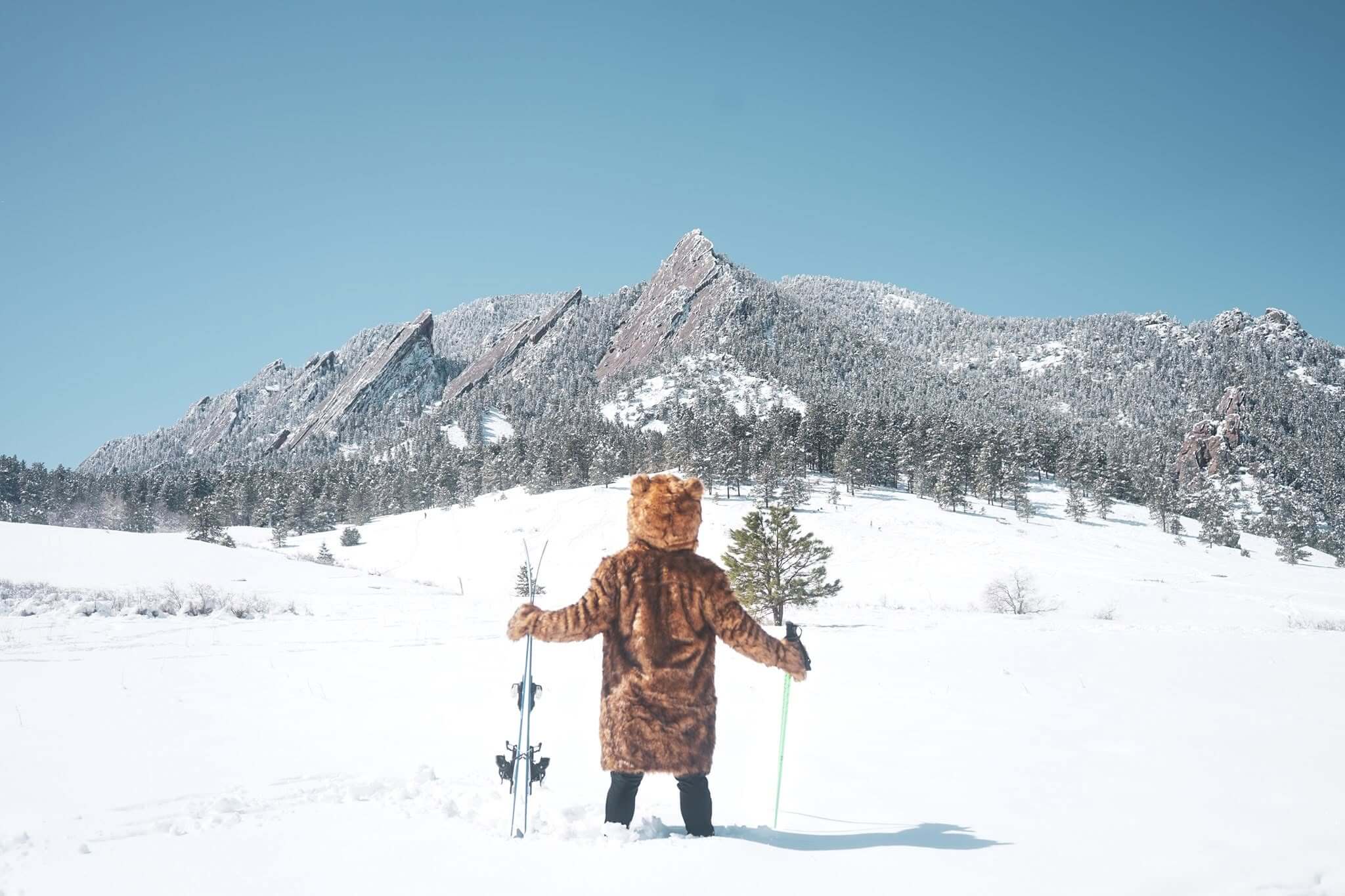
When the brand stomped into the Shark Tank in late 2024, it forced the Sharks to ask a crucial question: is this just a pricey novelty gag, or the next massive wave in winter sports apparel?
Winter gear has always been a sea of boring blacks, grays, and muted earth tones. Wildcoat decided to inject a heavy dose of adrenaline and humor into the industry, creating high-performance ski coats designed to look like wild animals. But breaking into the competitive outerwear market takes more than just a funny design. It takes serious cash, strategic marketing, and a Shark who understands the multi-million dollar business of having a good time.
What is Wildcoat?
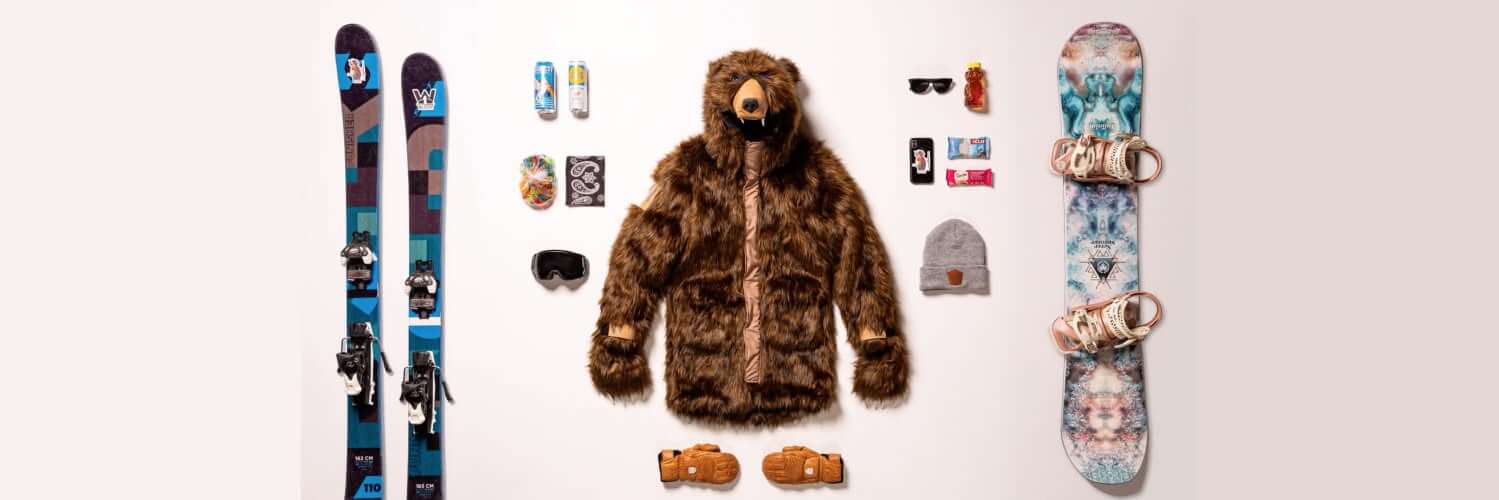
Wildcoat is a direct-to-consumer winter apparel brand that manufactures high-performance, modular ski and snowboard jackets designed to look like majestic (and sometimes ferocious) animals. But this isn't cheap Halloween costume fur. These coats are heavily engineered for serious winter sports enthusiasts who want to stand out on the slopes without sacrificing warmth or utility.
The coats feature a modular design, meaning wearers can zip off the sleeves, detach the animal-head hood, or remove the built-in mittens to customize their look for warmer spring skiing conditions. Built from 100% synthetic faux fur and weather-resistant materials, a standard Wildcoat is outfitted with seven oversized pockets, heavy-duty zippers that resist snagging, and magnetic storm flaps to keep the icy wind out.
From polar bears and pandas to buffalo and wolves, Wildcoat provides a way for skiers, snowboarders, and rabid sports fans to wear their wild side on their sleeves.
| Product Overview | Details |
|---|---|
| Industry | Winter Apparel / Sporting Goods |
| Founded Year | 2020 |
| Core Product | Animal-themed, modular faux-fur ski coats |
| Target Audience | Skiers, snowboarders, and extreme sports fans |
| Retail Price | $449 - $525 |
| Manufacturing Cost | $120 - $130 |
Who is the Founder of Wildcoat?
Wildcoat is the brainchild of Carlo DiMeo, a Boulder, Colorado-based engineer and seasoned skier with over three decades of experience carving up the Rockies. The origin story of this multi-million dollar brand didn't start in a corporate boardroom; it started under a Christmas tree.
About eight years before walking onto the Shark Tank stage, DiMeo's family gifted him a novelty bear costume for Christmas, knowing he had a profound love for both skiing and silly antics. Rather than letting it collect dust in a closet, DiMeo wore the costume over his standard ski gear during a trip. The reaction on the mountain was instant. Other skiers constantly stopped him, begging for photos and asking where they could buy one.
However, the novelty costume was miserably unsuited for actual winter sports. It lacked insulation, had zero pockets for a ski pass or phone, and absorbed snow like a sponge. Utilizing his engineering background, DiMeo realized there was a massive gap in the market.
People wanted to have fun on the mountain, but they still needed premium gear. In the spring of 2020, DiMeo partnered up, invested heavily in research and development, and began transforming the novelty bear suit into a meticulously designed, weatherproof ski coat. By the winter of 2021, the first generation of the Grizzly and Polar coats hit the market.
Wildcoat Shark Tank Journey & Pitch
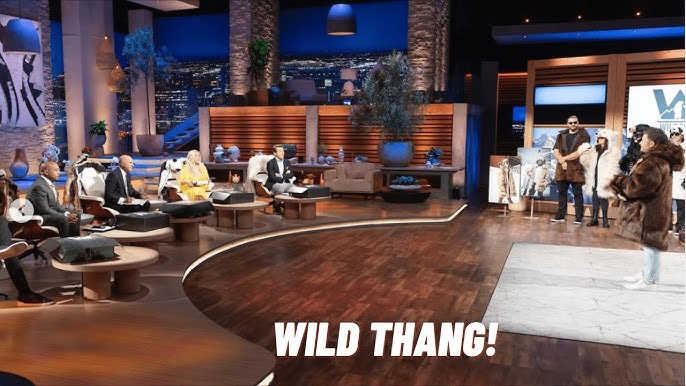
Carlo DiMeo marched onto the set of Shark Tank Season 16, Episode 7 (airing in December 2024), bringing a wave of chaotic, furry energy to the room. Known affectionately as the "Papa Bear of Wildcoat," he was seeking a $350,000 investment in exchange for 10% equity in his company. This ambitious ask placed a $3.5 million valuation on his young apparel brand.
He immediately passed out samples to the panel, featuring Mark Cuban, Kevin O’Leary, Lori Greiner, Daymond John, and Robert Herjavec. The Sharks were highly entertained as they tried on the panda, buffalo, and wolf coats. But the mood quickly shifted to serious business when the financial numbers came out.
DiMeo revealed his manufacturing numbers: a landed cost of $120 to $130 per coat, with a premium retail price tag of $449. He also broke down his sales history. In 2021, the company did $135,000 in revenue. By 2022, they grew to $375,000, and 2023 saw sales hit $505,000. For the current year (2024), he was projecting $700,000.
Mark Cuban pressed him on marketing. DiMeo admitted that early digital ad spend was brutal, but the company found a massive breakthrough by pivoting to in-person events. By setting up shop at X Games, ski events, and notoriously wild NFL tailgates (specifically for the Chicago Bears and Buffalo Bills), Wildcoat saw massive 50% to 70% spikes in online sales the week following an event.
Despite the traction, Kevin O'Leary wasn't biting. "Mr. Wonderful" pointed out that with the current sales volume and $500,000 in current inventory, a $3.5 million valuation was simply too rich for his blood, and he dropped out.
Mark Cuban and Lori Greiner followed suit, noting that the extreme premium price point made it a tough, niche fashion statement rather than a scalable necessity.
This left Daymond John and Robert Herjavec. Robert, drawing immediate parallels to his wildly successful investment in the ugly-Christmas-sweater brand Tipsy Elves, saw the vision. Daymond also recognized the branding potential. What followed was an intense bidding war.
| Pitch Breakdown | Details |
|---|---|
| Initial Ask & Valuation | $350,000 for 10% ($3.5M Valuation) |
| Sharks in the Room | Mark Cuban, Kevin O’Leary, Lori Greiner, Daymond John, Robert Herjavec |
| Daymond John's Offer | $350,000 for 30% equity |
| Robert Herjavec's Offer | $350,000 for 25% equity |
| Final Deal Accepted | $350,000 for 23% equity (Robert Herjavec) |
During the negotiation, Carlo countered both Sharks with 15%, which they immediately rejected. He crept up to 20%, but Robert held firm, warning Carlo not to "cheapen" the brand.
Eventually, Carlo offered 23%. Both Daymond and Robert accepted the 23% terms, forcing Carlo to choose between them. Robert continually brought up his success with Tipsy Elves, which visibly irritated Daymond and sparked a heated argument on the panel. Ultimately, Carlo chose Robert Herjavec, officially bringing the "Tipsy Elves effect" to Wildcoat.
What Happened to Wildcoat After Shark Tank?
The immediate aftermath of the Shark Tank airing was a whirlwind for the Colorado startup. Securing Robert Herjavec, a Shark who practically wrote the playbook on scaling novelty seasonal apparel, was a massive credibility boost.
The "Shark Tank effect" flooded their website with traffic, temporarily wiping out their inventory of the most popular sizes and styles.
With Herjavec's guidance, Wildcoat leaned aggressively into what was already working: fanatic sports culture. They realized that while skiers loved the coats, drunk and freezing NFL fans tailgating in December loved them even more. The brand ramped up their presence at cold-weather sporting events, treating their product not just as a ski coat, but as the ultimate fan gear.
They also listened closely to customer feedback to improve the product. Post-show iterations (moving into version 5 of their flagship coats) featured more realistic animal face detailing, upgraded Velcro pockets for easier access with gloved hands, and redesigned zipper tracks to eliminate snagging on the thick faux fur.
Is Wildcoat Still in Business?
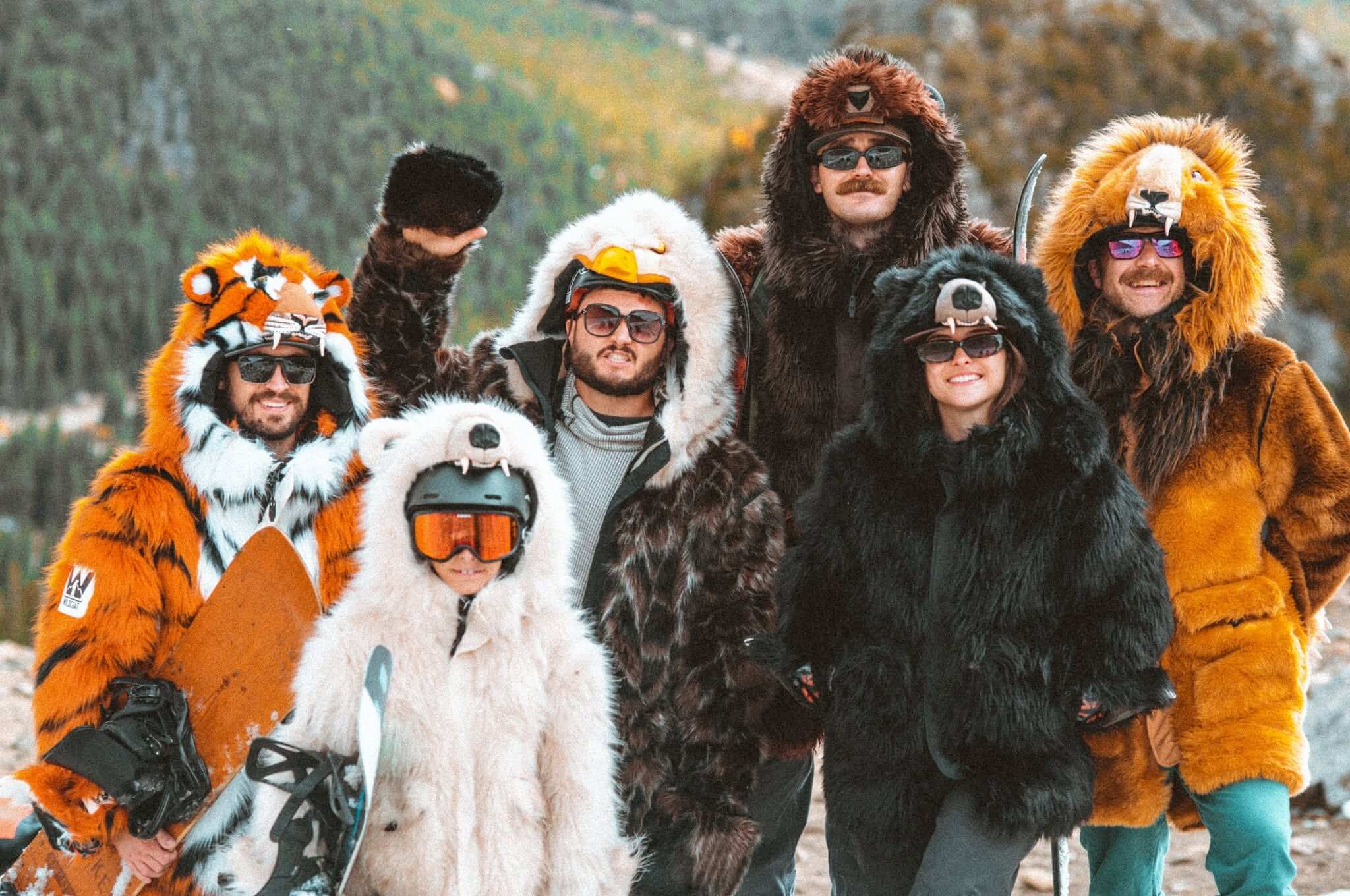
Yes, Wildcoat is very much in business and actively scaling its operations. The company has aggressively expanded its product catalog beyond the original grizzly and polar bears.
Recent launches include the highly requested Tiger Coat and the Timber Wolf Coat. They have also heavily teased the upcoming release of a Lion coat.
Recognizing that a $449 jacket is a steep entry point for some fans, Wildcoat cleverly expanded into accessories to capture lower-ticket sales. They successfully launched "The Claw Koozie," a heavy-duty, faux-fur drink insulator shaped like a bear claw, perfect for keeping beers ice cold while tailgating.
The company remains deeply rooted in its Boulder, Colorado origins and has maintained its commitment to using 100% synthetic, cruelty-free materials.
What is the Valuation & Net Worth of Wildcoat?
When Carlo DiMeo pitched the Sharks in late 2024, he walked in with a $3.5 million valuation and walked out with a deal that valued the company at roughly $1.52 million ($350,000 for 23%).
However, with the massive surge in post-show sales, the expansion of new animal lines, and strategic supply chain improvements guided by Herjavec's team, the company has comfortably surpassed its original financial footprint. Wildcoat's estimated valuation sits between $2.2 million and $2.7 million.
While Carlo DiMeo’s exact personal net worth is private, as the majority shareholder of a thriving, multi-million dollar e-commerce brand, his business equity and assets place his estimated net worth well over the $1.5 million mark.
Where to Buy Wildcoat?
For those looking to hit the slopes looking like a highly aggressive woodland creature, the best place to buy a Wildcoat is directly through their official e-commerce website (wildcoat.com). Buying direct ensures you get the absolute latest version of the coat, which includes all the recent zipper and pocket upgrades.
Additionally, Wildcoat frequently sets up massive pop-up shops at major winter events across the United States. If you are attending the Winter X Games in Aspen, or tailgating at late-season NFL games in freezing markets like Chicago, Green Bay, or Buffalo, there is a very high chance you will see a Wildcoat vendor tent.
Are Wildcoat Reviews Good?
The reviews for Wildcoat remain overwhelmingly positive, largely because the company actually delivers on its promise of high-end functionality. In the early days, critics assumed the coats would be cheap, fast-fashion novelty items that would fall apart after one hard crash on a snowboard.
However, verified buyers consistently praise the intense warmth of the jackets. The thick faux-fur acts as a brilliant insulator against biting wind chill. Reviewers frequently highlight the sheer amount of storage space (seven massive pockets is a luxury on the slopes) and the convenience of the magnetic closures when their hands are frozen.
The only consistent negative feedback revolves around the price tag, with some casual consumers wishing there was a budget-friendly option for those who don't need extreme-weather engineering just to wear a bear suit to a party.