Table of Contents
Imagine spending eight to ten hours a day trapped in a small room with nothing but four blank walls and harsh fluorescent lights. For millions of Americans working in cubicles, recovering in hospital beds, or living in dense urban apartment buildings, this is a daily reality.
Being completely cut off from natural sunlight is a quick ticket to increased anxiety, poor sleep, and massive drops in productivity. It is a silent problem that plagues modern architecture.
Mitch Braff decided to fix this problem by bringing the outside world indoors. He stepped onto the stage of Shark Tank Season 17, Episode 8, to pitch LiquidView, a jaw-dropping digital window that displays 8K, cinematic views of the outdoors. It was one of the most visually stunning pitches in the show's history, immediately grabbing the attention of the Sharks. But as seasoned fans of the show know, a beautiful product does not always guarantee an easy investment.
What is LiquidView?
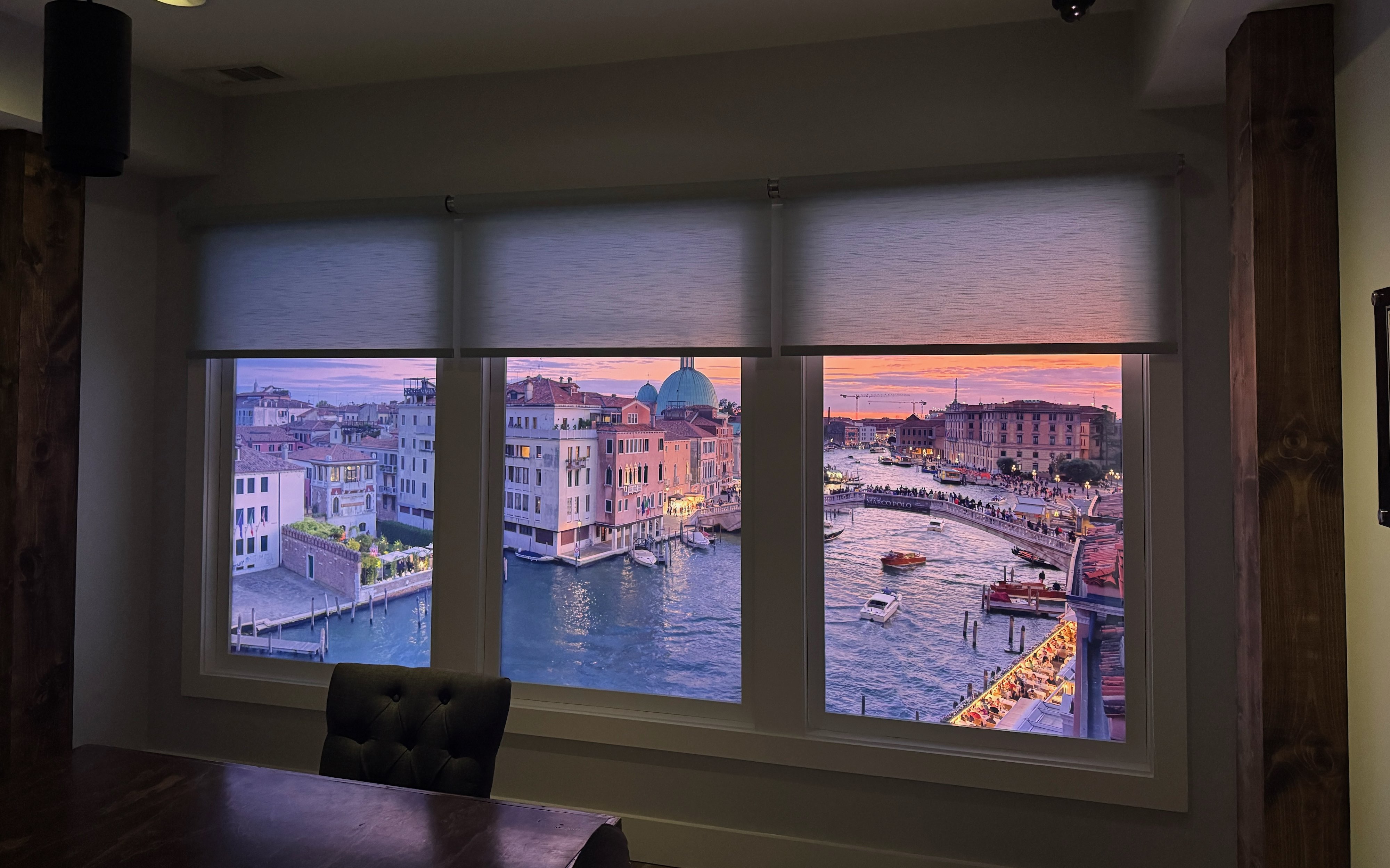
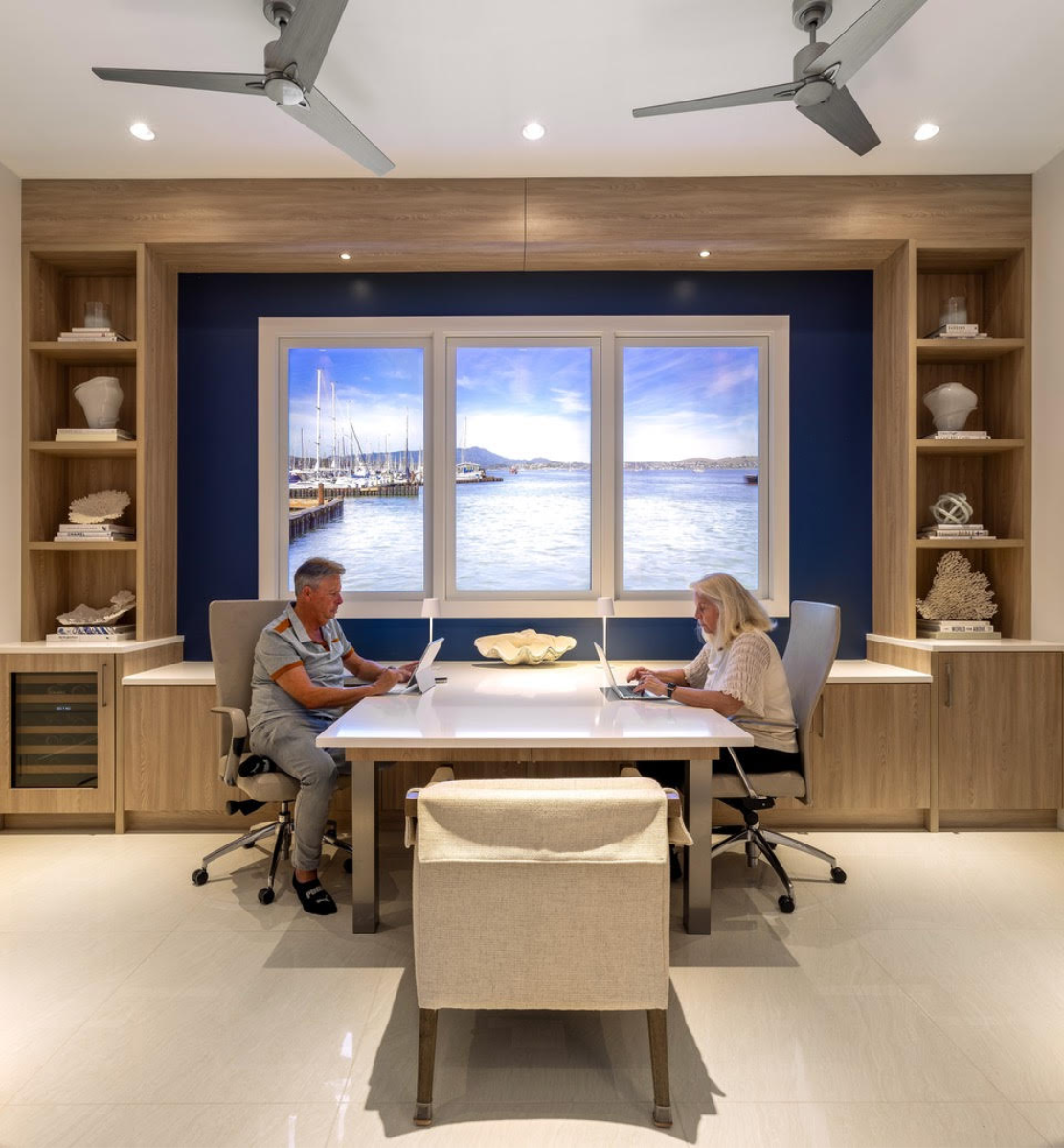
LiquidView is an architectural tech company that creates ultra-realistic, virtual windows for rooms that lack natural light. But these are not just standard television screens playing a YouTube loop of a beach. LiquidView systems are designed, framed, and mounted into the wall to look exactly like actual structural windows.
What sets LiquidView apart is its obsessive attention to natural detail. The company uses feature-film motion picture cameras to shoot 24-hour loops of breathtaking locations around the world. These 8K video files are synced to the local time of the user. If it is 6:00 AM outside your building, the digital window displays a sunrise. If it is 8:00 PM, you see a sunset. The screens sync directly with the human circadian rhythm, tricking the brain into feeling connected to the outdoors.
The company even includes a feature called "Unexpected Events." This throws random, photorealistic elements into the view, like a bird flying past or a boat on the water, making the scene feel entirely alive and unpredictable. The displays themselves are commercial-grade Sony screens built to run continuously without ever suffering from screen burn-in or annoying flickers.
| Business Overview | Details |
|---|---|
| Industry | Commercial & Home Technology |
| Founded Year | 2022 |
| Core Product | 8K Digital Virtual Windows |
| Target Audience | Hospitals, Hotels, Luxury Real Estate, Corporate Offices |
| Retail Price | Hardware starts at $4,698; Full systems up to $48,000 |
| Subscription | $299 per month for content library access |
Who is the Founder of LiquidView?
LiquidView was founded by Mitch Braff. Like many great entrepreneurs, Mitch stumbled upon his million-dollar idea because of a personal pain point. He spent a massive amount of time working in rooms without windows. He quickly realized how draining it felt to be entirely cut off from daylight and the outside world. The sheer lack of a view made him feel stressed, tired, and disconnected.
Mitch recognized that traditional screens just didn't cut it. Slapping a TV on a wall and playing a video felt cheap and artificial. He wanted a product that genuinely felt like a window, recessed into the wall with proper trim and depth. He wanted the lighting to change naturally as the day went on.
Mitch partnered with industry experts, utilizing top-tier Sony commercial displays and motorized Palladium shades from Lutron, to build out the hardware. However, Mitch knew the hardware was only half the battle. He needed world-class content to make the illusion work. He hired National Geographic-level cinematographers to travel the world and shoot 24-hour video loops in places like the canals of Venice, the beaches of Hawaii, and the skyline of Miami.
LiquidView Shark Tank Journey & Pitch
Mitch Braff walked into the Shark Tank seeking a massive investment: $250,000 in exchange for a tiny 2.5% equity stake. This immediately set the valuation of LiquidView at a whopping $10 million. Any time an entrepreneur walks into the Tank with an eight-figure valuation, the Sharks immediately put their guard up.
Mitch started his pitch by presenting a massive, three-screen installation of the LiquidView system. The moment he turned the screens on, the room changed. Barbara Corcoran gasped, saying it looked incredibly real. Lori Greiner immediately called the product beautiful. Robert Herjavec gave the idea high praise right out of the gate.
But Shark Tank is a business show, and the numbers have to make sense. Kevin O'Leary, never one to beat around the bush, asked the million-dollar question: How much does this thing cost?
Mitch explained that a full, turnkey system, which includes the display hardware, installation, and three views, costs $48,000. The Sharks visibly recoiled. Lori Greiner pointed out that at that price point, the product was completely out of reach for the average consumer. Barbara Corcoran echoed this, stating it felt priced exclusively for the ultra-wealthy.
However, Mitch clarified his business model. He told the Sharks that LiquidView is actually a content company, not just a hardware company. If a customer already has a digital wall, they can simply buy the LiquidView standalone media player for about $2,000. From there, the customer pays $299 per month for a subscription to access the 8K view library. This recurring revenue model caught Kevin O'Leary's attention.
Robert Herjavec asked about sales. Mitch proudly stated that the company did $1 million in revenue the previous year, running at roughly 45% margins. Furthermore, 80% of their clients were commercial businesses. However, Mitch admitted that the company was still burning cash and would not be profitable until the middle of 2026.
| Pitch Detail | Information |
|---|---|
| Initial Ask | $250,000 |
| Equity Offered | 2.5% |
| Implied Valuation | $10,000,000 |
| Sharks in the Room | Kevin O'Leary, Barbara Corcoran, Lori Greiner, Robert Herjavec, Michael Strahan |
| Offers Made | None |
| Final Deal | No Deal |
Despite the incredible presentation and the clear recurring revenue model, the Sharks started dropping out. Lori Greiner went out because the product was simply too expensive for the mass market. Barbara Corcoran and Robert Herjavec loved the idea for hospitals and hotels but didn't see a fast enough return on investment given the cash burn. Michael Strahan also passed due to the high pricing.
Finally, Kevin O'Leary, despite loving the subscription model, could not swallow the $10 million valuation for a company that wasn't yet turning a profit. Mitch Braff walked away without a deal.
What Happened to LiquidView After Shark Tank?
Leaving the Tank without a Shark's money is rarely a death sentence, and for LiquidView, it was just the beginning of a massive media blitz. The "Shark Tank Effect" brought millions of eyeballs to their website, validating Mitch's belief that people desperately want a solution for windowless rooms.
Because the product was priced too high for most everyday viewers to purchase on a whim, the consumer sales bump was modest. However, the commercial inquiries skyrocketed. Real estate developers, hospital administrators, and hotel executives saw the pitch and immediately understood the value proposition.
Just days before the episode aired, LiquidView made a massive splash at the 2026 Consumer Electronics Show (CES) in Las Vegas. They used the trade show to announce their Shark Tank appearance while simultaneously networking with major B2B distributors. This back-to-back national exposure cemented LiquidView as the premium standard in architectural digital windows.
Is LiquidView Still in Business?
Yes, LiquidView is very much still in business and is growing rapidly. While the Sharks worried about the small size of the target market, Mitch Braff leaned heavily into institutional sales.
Today, LiquidView systems are installed in some of the most prestigious facilities in the United States. Their client roster now includes the Mayo Clinic, Boston Children’s Hospital, Brigham & Women’s Hospital, JW Marriott, Adobe, and even the New York City FC.
The brand has specifically found a massive foothold in the healthcare industry. Memory care facilities and assisted living homes use LiquidView to help keep their patients calm and oriented to the time of day. In fact, LiquidView partnered with Stanford University for clinical research. The Stanford study officially validated that sitting in a room with a LiquidView digital window actively reduces stress, lowers heart rates, calms the sympathetic nervous system, and alters brain wave activity for the better. By proving that their product offers legitimate medical and psychological benefits, LiquidView made it incredibly easy for hospitals to justify the high price tag.
To meet varying architectural needs, the company has expanded its product line into a few distinct options:
- The Vista: A single, expansive digital window.
- The Panorama: Multiple adjoining windows to create a massive, immersive landscape.
- InWall: Recessed 7.5 inches into the wall with custom trim to look entirely built-in.
- OnWall: A simpler, bracket-mounted system that doesn't require tearing up existing drywall.
What is the Valuation & Net Worth of LiquidView?
When Mitch Braff pitched on Shark Tank, he valued his company at $10 million based on his $1 million trailing revenue and projected growth. Because he did not take a deal, he did not have to negotiate that valuation down.
As of today, LiquidView's overall valuation is estimated to be sitting comfortably between $10 million and $15 million. By securing massive, multi-window contracts with giants like the Mayo Clinic and Marriott, their revenue has scaled significantly.
Mitch stated on the show that the company expected to cross into profitability by the middle of 2026, and their continued expansion into high-end commercial real estate suggests they are right on track.
While the exact personal net worth of Mitch Braff is kept private, the recurring revenue from the $299 monthly content subscriptions provides a highly stable, high-margin cash flow that continues to increase the overall enterprise value of LiquidView.
How Much Does LiquidView Cost?
One of the biggest hurdles during the Shark Tank pitch was the $48,000 price tag for a turnkey system. Currently, LiquidView still caters to a premium market, but they have clarified their pricing structure to be slightly more approachable depending on the customer's needs.
If you are a commercial buyer who already owns high-end digital displays and simply wants the LiquidView software and content, you can purchase the standalone media player starting at $4,698.
If you want the full "Digital Window Experience" (which includes the commercial-grade screens designed to run 24/7), prices start at $9,999.
Regardless of the hardware package chosen, customers must pay the $299 monthly subscription fee to maintain access to the 8K view library. This subscription ensures the screens update automatically with local sunrise and sunset data, and it gives users access to new locations as LiquidView's film crews continue to travel the world capturing fresh content.
LiquidView Alternatives
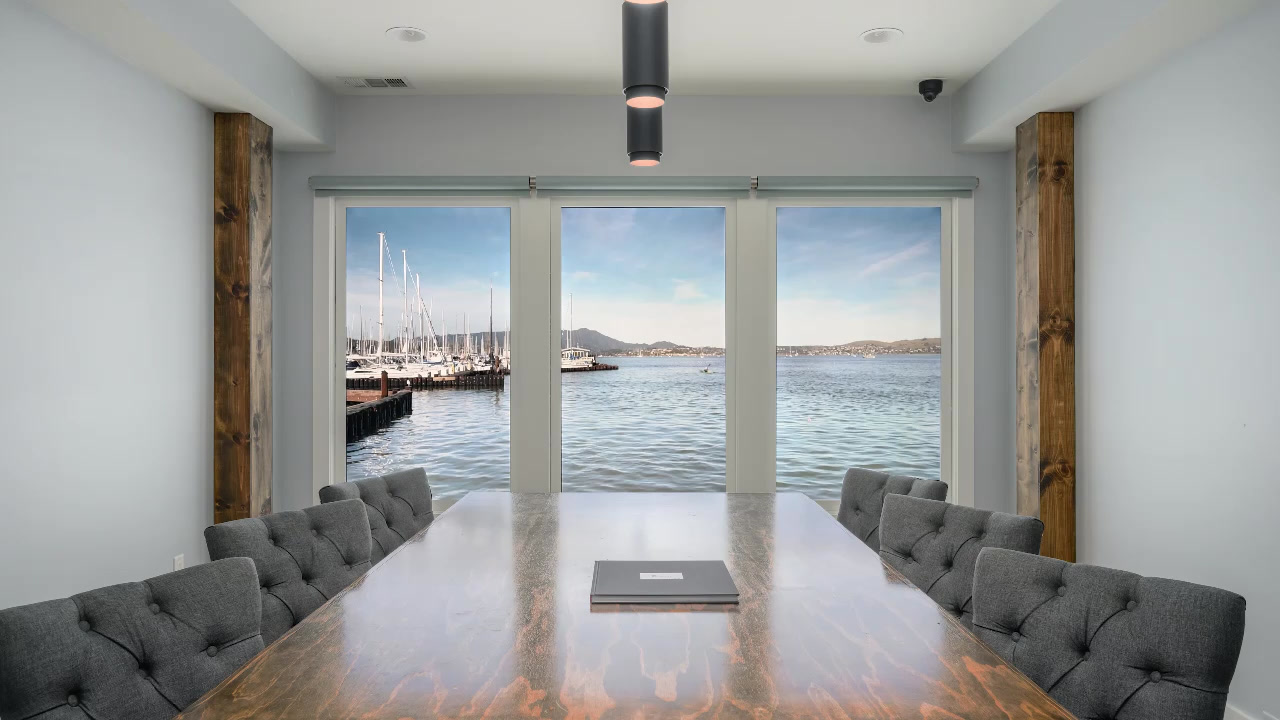
While LiquidView is currently the gold standard for ultra-realistic, 8K, 24-hour virtual windows, there are a few alternatives on the market for those who cannot stomach the premium price tag.
- Sky Factory: This is LiquidView's most direct competitor in the healthcare and commercial space. Sky Factory creates "Luminous SkyCeilings" and virtual windows. However, rather than playing live-action 8K video loops, Sky Factory often relies on high-resolution static imagery with realistic backlighting, or shorter, less complex video loops. They are highly popular in MRI rooms and dental offices.
- Atmoph Window: For the everyday consumer, Atmoph makes a much smaller, highly affordable digital window. It operates more like a smart home device. You can hang it on your wall, and it plays thousands of 4K video loops from around the world. While it lacks the massive, architectural integration and exact circadian syncing of LiquidView, it is a fantastic alternative for someone living in a dark apartment who just wants a pleasant view for a few hundred dollars.
- Standard Digital Signage: Many businesses simply buy a large, commercial Samsung or LG display and run their own stock footage on a loop via an Apple TV or USB drive. While this is incredibly cheap, it does not offer the depth, trim, and natural lighting adjustments that make a virtual window actually feel real.