Table of Contents
Walking into the Shark Tank is always a gamble, but for Arica Griner and Nick Murray, the stakes were unimaginably high. When they stepped onto the carpet in Season 17 to pitch their brand-new beverage company, Hot Girl Soda, they were carrying more than just cases of fizzy drinks. They were carrying the weight of a $120,000 personal investment and, incredibly, a second mortgage taken out by Arica’s mother just to get the product off the ground.
Pitching a new drink in a hyper-competitive market is tough enough, but doing it in front of a panel that included guest Shark Allison Ellsworth, the founder of the billion-dollar soda brand Poppi, turned the pressure up to a boiling point. The drama that unfolded inside the Tank left viewers stunned and asking one big question: did this risky beverage gamble pay off?
What is Hot Girl Soda?
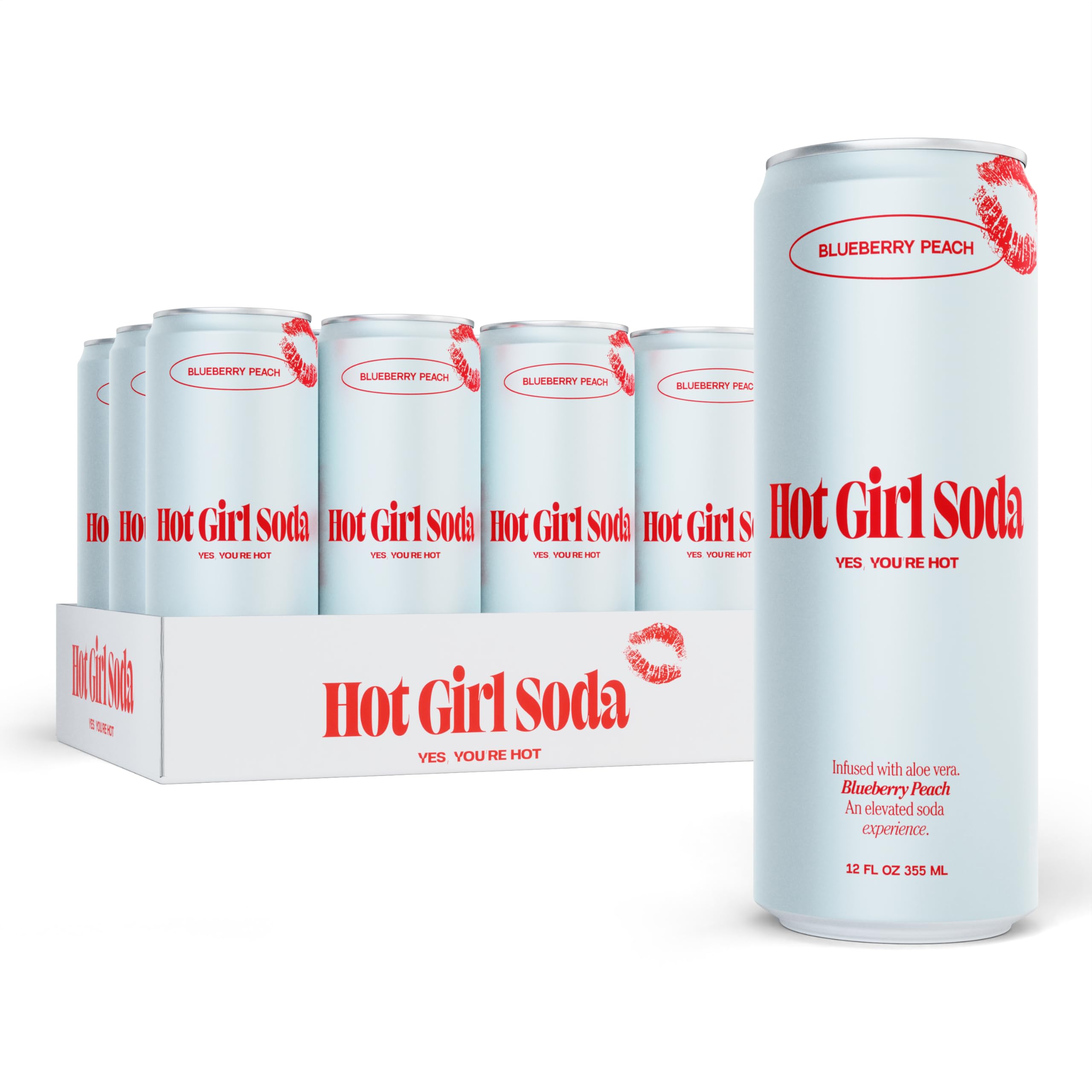
Hot Girl Soda is a lightly carbonated, aloe vera-infused prebiotic soda designed to support gut health while delivering a fruity, refreshing taste. Positioned as a "better-for-you" alternative to traditional sugary soft drinks, the beverage targets the wellness-conscious Gen Z and millennial markets.

Unlike many functional sodas that rely heavily on apple cider vinegar for their health benefits, Hot Girl Soda uses aloe vera as its base. Each slim can contains four grams of prebiotic fiber to aid digestion, keeping sugar and calorie counts low. At launch, the brand debuted four elevated, fruit-forward flavors: Mango Dragon Fruit, Passion Fruit Vanilla, Raspberry Lemonade, and Blueberry Peach.
The brand leans heavily into modern internet culture with its "Hot Girl" moniker, aiming to associate gut health and clean ingredients with confidence and self-care.
| Feature | Details |
|---|---|
| Business Name | Hot Girl Soda |
| Industry | Beverage / Health & Wellness |
| Core Product | Aloe vera-infused prebiotic soda |
| Target Audience | Gen Z, wellness enthusiasts, gut-health seekers |
| Retail Price | $3.00 per can (or $12.00 for a 4-pack) |
| Founded Year | 2025 |
Who is the Founder of Hot Girl Soda?
Hot Girl Soda was founded by Arica Griner and Nick Murray, two entrepreneurs based in Orange County, California. The origin story of the brand traces back to 2022, rooted in Arica's personal health and wellness journey. Struggling with acne-prone skin and digestion issues, Arica started experimenting in her home kitchen.
She began mixing raw aloe vera juice with various fruit juices and sparkling water, noticing that the clean ingredients helped her feel better from the inside out. Because she felt more confident and radiant when drinking them, she playfully started referring to her homemade concoctions as her “hot girl drinks.”
Arica shared her daily routine with Nick Murray while the two were brainstorming potential business ventures. The lightbulb moment hit when Nick, traveling through an airport in Chicago, texted Arica to ask what a "Hot Girl Soda vending machine" might look like. While the vending machine concept was quickly scrapped, the idea of packaging Arica's kitchen recipe into a ready-to-drink soda stuck.
They spent the next two years developing the flavor profiles and securing a manufacturing process in Southern California, officially launching their canned product line in early 2026.
Hot Girl Soda Shark Tank Journey & Pitch
Arica and Nick walked into the Tank during Season 17, Episode 13 (which aired on March 11, 2026). They confidently presented their colorful cans to the Sharks, hoping to secure a partner to help them navigate the notoriously difficult beverage industry.
| Pitch Element | Details |
|---|---|
| Founders | Arica Griner & Nick Murray |
| Initial Ask | $100,000 for 10% equity |
| Implied Valuation | $1,000,000 |
| Sharks Present | Kevin O'Leary, Lori Greiner, Daymond John, Robert Herjavec, Allison Ellsworth (Guest Shark) |
| Offers Made | None |
| Final Deal | No Deal |
Nick opened the pitch by highlighting how exhausting the modern wellness world can be, noting that most health drinks focus on what you can't have rather than making healthy choices fun. The founders then passed out samples of their Mango Dragon Fruit, Blueberry Peach, and Passion Fruit Vanilla sodas.
The taste test immediately split the room. Lori Greiner genuinely enjoyed the beverage, specifically praising the Mango Dragon Fruit flavor. Robert Herjavec, however, openly disliked the taste. The harshest culinary critique came from Daymond John, who bluntly stated that the Passion Fruit Vanilla flavor tasted like "doody."
When the conversation shifted to numbers, the mood in the room grew tense. Arica and Nick revealed that their business was practically brand new. They had only been selling the product for two and a half months and had generated a total of $8,500 in sales via Amazon. Their margins were decent, a can cost $1.60 to make wholesale and retailed for $3.00, but the sheer lack of sales history alarmed the investors.
The shock value peaked when the founders detailed their funding. They had poured $120,000 of their own money into the startup. Even more concerning to the panel, Arica’s mother had taken out a second mortgage on her home to help fund the business, receiving just 5% equity in return.
Guest Shark Allison Ellsworth, who knows the prebiotic soda space intimately as the founder of Poppi, expressed concern over their packaging. She pointed out that the tall, slim cans Hot Girl Soda used are notoriously difficult to stack on retail grocery shelves, creating a massive hurdle for physical distribution. She opted out, stating she didn't want to step on any toes and felt another Shark might be a better fit.
Kevin O'Leary appreciated their hustle but felt the valuation was completely unjustified given the microscopic sales. In classic "Mr. Wonderful" fashion, he compared their fledgling business to a "single-cell amoeba" just crawling toward the surface of the ocean.
Robert Herjavec and Daymond John also dropped out, though Daymond complimented them as being the "nicest people" he had ever met. With all Sharks out, the Hot Girl Soda team left the Shark Tank without a deal.
The "Hot Girl" Name Controversy & Viewer Backlash
While the founders kept a positive attitude during the pitch, the online reaction to their Shark Tank appearance was swift and critical. Across platforms like Reddit and X (formerly Twitter), viewers dissected the pitch, zeroing in on two major points of contention: the company's name and the financial risk involved.
Many viewers criticized the branding, arguing that naming a product "Hot Girl Soda" immediately alienated half of the consumer market. Commenters pointed out that men would likely feel uncomfortable carrying a brightly colored can labeled "Hot Girl" in public or bringing it to an office lunch. Others felt the name was a dated internet buzzword that was already losing its cultural relevance.
However, the loudest backlash was reserved for the company's financial structure. Fans of the show were deeply uncomfortable with the revelation that Arica's mother had taken out a second mortgage to fund a pre-revenue beverage startup in an incredibly saturated market. Viewers called the gamble "reckless," with many expressing genuine worry for the mother's financial future.
What Happened to Hot Girl Soda After Shark Tank?
The immediate aftermath of appearing on national television is almost always a blessing for small brands, often referred to as the "Shark Tank Effect." Because Hot Girl Soda's episode aired so recently in March 2026, the company is currently riding the wave of that initial exposure.
Despite not securing a Shark investor, Arica and Nick capitalized on the airtime. They took to their social media accounts and updated their website to heavily promote their Shark Tank appearance, welcoming thousands of new visitors.
Nick and Arica released statements thanking their community, noting that standing on the carpet to pitch their dream was "one of the most surreal moments" of their lives. To handle the influx of orders, the founders spent long hours in their Southern California warehouse, personally packing shipments to send directly to customers and to Amazon fulfillment centers.
Is Hot Girl Soda Still in Business?
Yes, Hot Girl Soda is still in business. The company is currently operating primarily through its direct-to-consumer website and Amazon storefront.
Because they are still in the infancy of their business journey, they have not yet made a massive push into physical retail stores, a smart move considering Allison Ellsworth's critique of their unstackable cans. They are currently focusing on building brand awareness and fulfilling online orders for their 4-pack samplers.
What is the Valuation & Net Worth of Hot Girl Soda?
During their pitch, Arica and Nick valued Hot Girl Soda at $1 million (based on their ask of $100,000 for 10%). However, because the Sharks rejected this valuation due to the company only having $8,500 in lifetime sales at the time, the true market valuation of the company is significantly lower.
Given that the founders have injected $120,000 in capital into the business, the company's current estimated net worth sits loosely around that initial investment marker. Until Hot Girl Soda proves it can generate consistent, large-scale revenue and turn a profit in the highly competitive beverage space, its valuation will remain speculative.
Where to Buy Hot Girl Soda?
If you want to try the aloe-infused prebiotic drink for yourself, the easiest place to buy Hot Girl Soda in 2026 is directly through their official website (hotgirlsoda.com) or on Amazon. They currently offer a "4 Pack Sampler" for $12.00, which includes one can of each of their four flagship flavors.
Hot Girl Soda Alternatives: The Crowded Prebiotic Market
The Sharks were hesitant to invest largely because the functional beverage space is currently exploding with competition. If you are looking for alternatives to Hot Girl Soda that offer similar gut-health benefits, the market leaders include:
-
Poppi: The absolute titan of the industry (founded by guest Shark Allison Ellsworth). Poppi uses apple cider vinegar and fruit juice to deliver prebiotics.
-
Olipop: A massive competitor that uses a specialized blend of botanicals, plant fibers, and prebiotics to mimic the taste of classic sodas like Root Beer and Cola.
-
Culture Pop: A probiotic soda that relies on live active cultures, organic fruit juices, and spices rather than added sugars or artificial sweeteners.