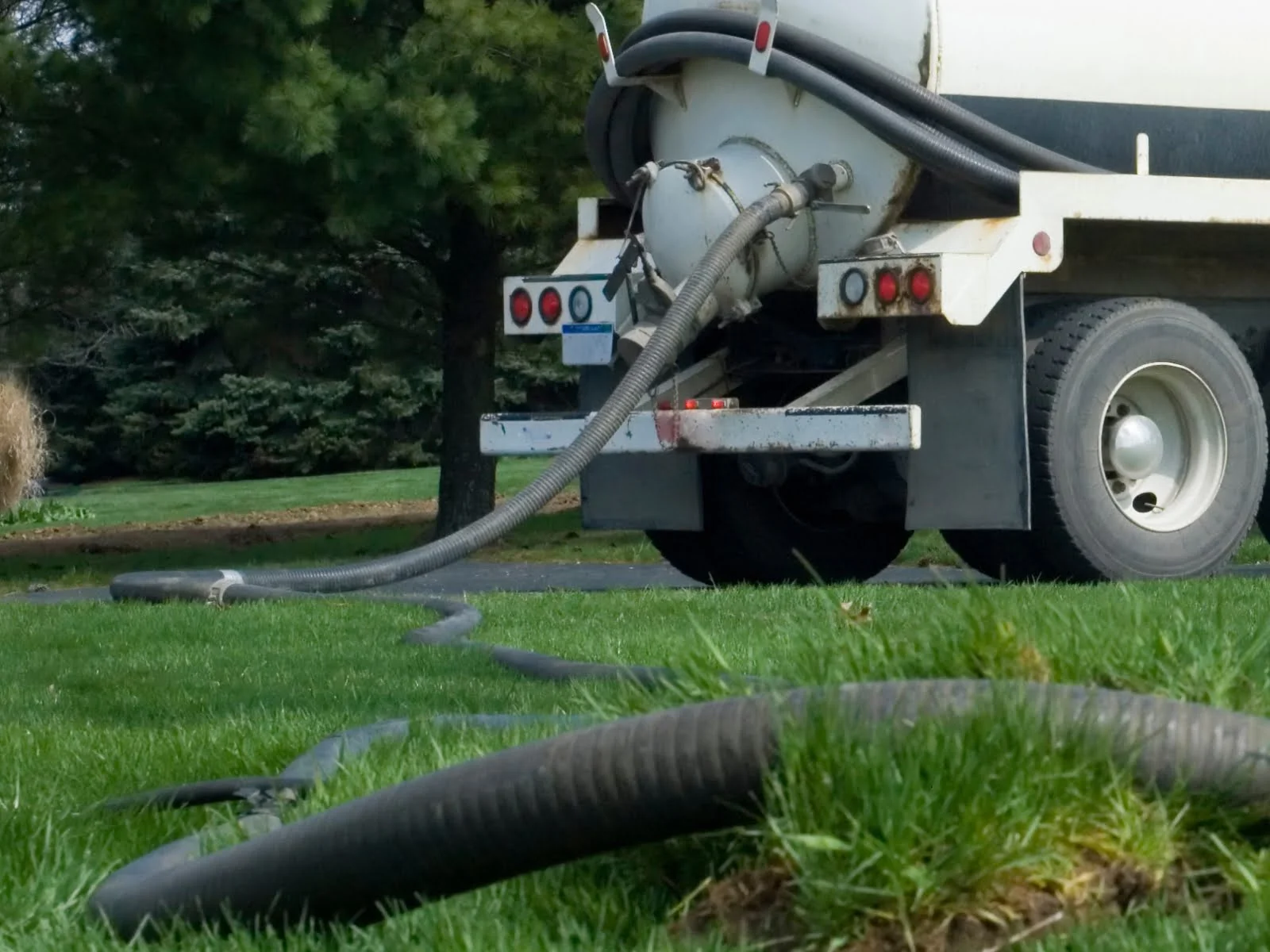
Dealing with a septic tank emergency is stressful for any homeowner. The last thing they want to do is scroll through pages of Google results looking for help. They search for a solution, click the first reliable company they see on the map, and make a fast call.
If your septic tank service is not showing up in the top three local results, you are losing out to competitors every single day.
💡 The Marketing Trifecta
While SEO delivers long-term traffic, it should always be paired with a strong paid and social foundation. Don't forget to implement our Complete Septic Tank PPC Strategy for instant local leads, and utilize our Septic Tank Social Media Marketing Guide to build community trust before a client even calls you!
📊 The Current Local Search Landscape for Septic Service Businesses
Search behavior for home service contractors has shifted entirely to mobile phones and voice search. When a customer stands in a flooded yard, they immediately search for "septic pumping near me." Google has updated its algorithms to heavily favor businesses closest to the user with the most verified trust signals.
Artificial Intelligence overviews are also starting to pull directly from Google Business Profile data to answer customer questions instantly. If your Local SEO strategy is weak, AI will bypass your company. In 2026, local discovery is no longer just about having a website; it is about building an undeniable, highly visible digital footprint in your specific service area.
How Do I Get More Septic Tank Customers?
If you are wondering how to get more septic tank customers, the answer lies in understanding local search intent. Most septic companies do not have a visibility problem; they have a local search alignment problem. Homeowners do not search for generic terms; they search for immediate, hyper-local solutions to their emergency problems.
To capture these customers, you need to align your website and your Google Business Profile. Your website tells Google what services you offer, and your map listing tells Google exactly where you operate. When you connect those two things using a structured local blueprint, your phone will start ringing with real, high-intent customers.
The 10-Step Local SEO Blueprint for Septic Services
I. GBP Optimization & Geo-Tagged Visuals
Many septic companies set up their Google Business Profile once and simply forget about it. They miss out on massive local traffic because their profile lacks specific service categories and fresh updates. If your profile is incomplete and stale, search engines will simply bypass you and show your more active competitors instead.
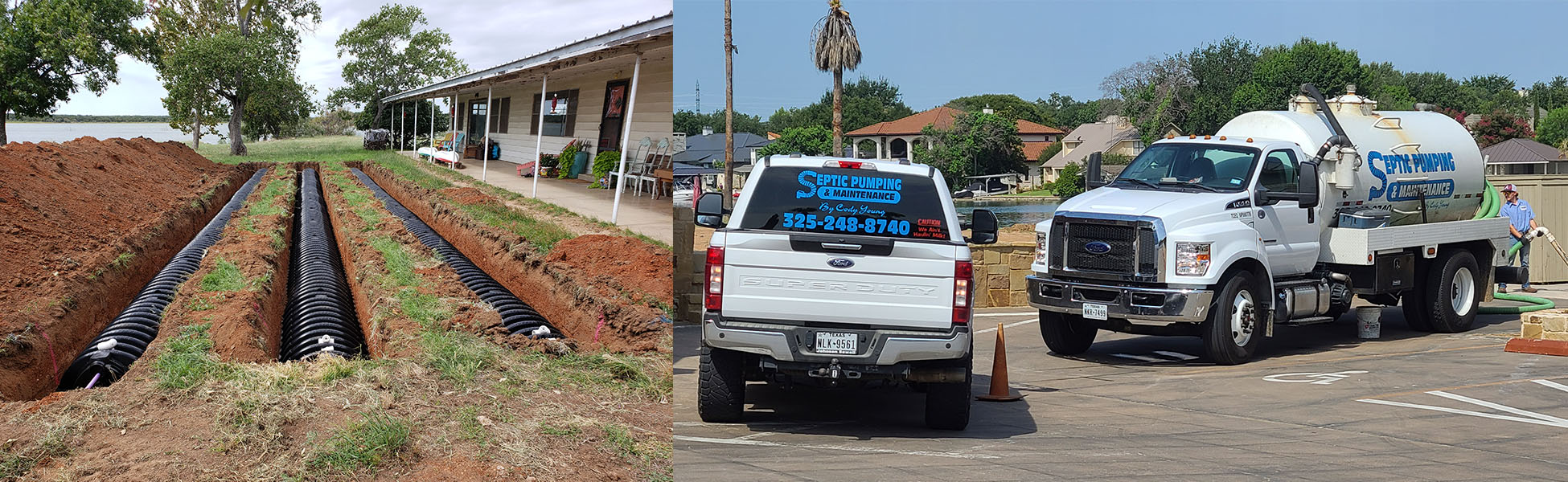
Claim and verify your profile immediately. Fill out every single section from operating hours to a detailed company description. You should choose the correct primary category, like "Septic system service." Furthermore, make a habit of taking photos of your vacuum trucks on job sites with your phone's location services turned on, and upload these geo-tagged images to your profile weekly.
A fully optimized profile with fresh, geo-tagged photos signals to Google that your business is highly active in the area. This direct alignment with search algorithms increases your chances of ranking in the coveted top three Map Pack spots. Being in the Map Pack drives steady, high-intent emergency calls directly to your dispatcher.
II. NAP Consistency & Local Citation Building
If your business name, address, or phone number (NAP) changes across different web directories, search engines get confused. A wrong phone number on Yelp or an old address on a local directory drops your trust score. Inconsistent NAP data pushes you down the local search results, causing you to lose valuable jobs.
Audit your current listings across the web using a citation tracker tool. Make sure your business details match your Google Business Profile exactly, down to the spelling of "Street" or "St." Build new citations on industry-specific directories like HomeAdvisor, Angi, and your local chamber of commerce websites to strengthen your presence.
Consistent citations build a solid foundation of trust with search algorithms. When Google sees matching business data everywhere it looks, it confidently displays your septic business to local searchers. This foundation leads to a noticeable and sustainable bump in your organic local traffic.
III. Hyper-Local City & Neighborhood Landing Pages
Most septic businesses rely on a single, generic "Services" page on their website to cover their entire region. When a customer searches for "septic tank pumping in Austin," a generic page rarely ranks. It lacks the specific geographic relevance that search engines require for localized queries.
Build dedicated landing pages for every specific service and city you target. Create a unique page for "Septic Repair [City]" and "Septic Pumping [City]." Include localized keywords naturally in the headers, meta tags, and body text, and mention familiar local landmarks to prove you are a real community fixture.
Hyper-local service pages connect directly with exact customer search intent. By giving search engines exactly what they look for, your website will capture highly targeted local traffic. These localized pages convert at a much higher rate because the customer feels you are right around the corner.
IV. Why Is My Septic Business Not Showing on Google Maps? (Service Area Settings)
Septic tank companies are Service Area Businesses (SABs) that travel to the customer's property. If your Google Business Profile displays a hidden or residential address without proper service areas defined, Google will restrict your visibility. You will struggle to rank outside of your immediate neighborhood zip code.
Adjust your Google Business Profile settings to hide your physical address if you operate your administrative tasks out of your home. Instead, define your specific service areas accurately. Add the exact cities, counties, or zip codes where your trucks operate so Google knows your true territory.
Setting the correct service areas removes proximity bottlenecks. It allows your business to rank consistently across a wider geographic radius. This ensures you capture emergency repair calls from multiple surrounding neighborhoods, maximizing the reach of your fleet.
V. Review Generation & Reputation Management
Reviews are no longer just nice to have; they are a primary ranking factor for local SEO. A septic company with a 3.5-star rating and only three reviews will almost never outrank a competitor with a 4.8-star rating and fifty reviews. A poor reputation directly impacts whether a homeowner clicks on your listing.
Implement an automated review request system using your scheduling software. Send an SMS or email immediately after your crew finishes a pumping job while the customer is happy. Always reply to every review, both positive and negative, thanking the customer or addressing their concerns politely and professionally.
High review velocity and a strong overall rating build immense trust with both Google and potential clients. Customers are willing to pay a premium for a highly-rated septic service. This directly increases your booking rate and overall monthly revenue.
VI. Local Link Building & Community PR
A website without local backlinks struggles to build any real domain authority. Search engines view links from other local businesses as digital votes of confidence. Without these local links, your septic website will sit below competitors who have better digital connections in the community.
Partner with local real estate agents, home inspectors, and local plumbing contractors who do not offer septic services. Sponsor a local youth sports team or a charity event in your county. These community engagements often result in a highly valuable link back to your website from a trusted local domain.
Local backlinks act as a massive ranking signal for your primary website. This increased domain authority pushes your organic search rankings higher in the regular results. It gives you a strong competitive edge in your specific regional market.
VII. Local Schema Markup for Septic Services
Search engines read background code, not just the text on your page. If your website lacks structured data, Google has to guess your business details, operating hours, and accepted payment methods. This missing technical detail can prevent you from securing rich search snippets.
Add Local Business Schema Markup to the backend of your website. This specific code tells search engines exactly what your business is, where it operates, and how customers can contact you. You can use free online generators to create this JSON-LD code and paste it into your website's header.
Schema markup gives search algorithms absolute certainty about your business facts. This technical clarity helps your website achieve prominent placement in search results. It makes it far easier for Google to process your data and for customers to find you.
VIII. Apple Maps & Bing Places Optimization
Many septic business owners completely ignore Apple Maps and Bing Places, focusing entirely on Google. This oversight leaves thousands of potential customers unable to find your services. Many homeowners use iPhones with default Apple Maps or desktop computers running Bing as the default search engine.
Claim and optimize your business listings on both Apple Maps Connect and Bing Places for Business. Ensure your NAP data, photos, and categories match your Google Business Profile perfectly. Both platforms offer easy, free verification processes that take only minutes to complete.
Expanding your presence beyond Google captures a broader, often less competitive audience. Being visible on Apple Maps is crucial for mobile users who search via Siri during a septic emergency. This gives you access to an entirely different stream of incoming calls.
IX. What Is the Best Marketing for Septic Companies? (LSA Synergy)
Standard organic SEO takes time to build momentum and rank. If your septic business needs immediate phone calls today, waiting months for organic map rankings can hurt your cash flow. Relying purely on slow SEO leaves your expensive vacuum trucks sitting idle in the yard.
Integrate Google Local Services Ads (LSA) alongside your organic map strategy. Go through the Google Guaranteed background check process to qualify. This allows your business to appear at the very top of the search results with a green checkmark, sitting proudly above traditional pay-per-click ads and the Map Pack.
LSAs run on a pay-per-lead model, meaning you only pay when a customer actually calls you. This synergy between instant LSA visibility and long-term organic SEO creates an unbeatable local marketing engine. It maximizes your return on investment and keeps your schedule full.
X. Grid Tracking & Local Search Reporting
You cannot improve what you do not measure accurately. Simply checking your map ranking from your own office computer gives a false impression because Google personalizes results based on your exact physical location. You might see yourself as number one, while a customer five miles away does not see you at all.
Use a local grid tracking tool to measure your Map Pack rankings across your entire city. These tools simulate searches from different blocks and neighborhoods, showing you a map of exactly where you rank well and where you drop off. Review these reports monthly to spot weak zones.
Grid tracking removes the guesswork from your local SEO strategy. It shows you precisely which neighborhoods require more citations, more reviews, or better localized content. This allows you to spend your marketing budget efficiently and dominate the local market block by block.
The Essential 5-Tool Local SEO Stack 🛠️
If you plan to dominate your local market, you should use these exact software tools to manage your presence.
1. BrightLocal
If you are looking for a comprehensive local SEO platform, BrightLocal is a reliable choice. It helps businesses track their local search performance and monitor Map Pack rankings with ease.
- Local search grid tracker.
- Citation building and monitoring.
- Automated review management dashboard.
- Easy to use for beginners.
- Highly affordable pricing.
- Generates detailed, easy-to-read reports.
- The interface can feel a bit cluttered at times.
- It lacks advanced social media management features.
2. Whitespark
If you need to build local authority, Whitespark is an incredible tool for finding and managing local citations. It helps you find exactly where your competitors are listed so you can copy their strategy.
- Local citation finder.
- Reputation builder.
- Accurate local rank tracker.
- Highly accurate citation data.
- Excellent customer support.
- Focused strictly on local SEO growth.
- Rank tracker is billed separately from the citation tool.
- Pricing scales up quickly for multiple locations.
3. ServiceTitan
ServiceTitan is a massive field service management software. It is a perfect solution for managing your septic trucks, crew, and automating your marketing requests after a job is completed.
- Dispatch and fleet management.
- Automated customer review requests.
- Full CRM and marketing integration.
- Truly an all-in-one software for home services.
- Excellent automation for grabbing Google reviews.
- Tracks marketing ROI accurately down to the penny.
- High monthly cost compared to basic tools.
- Steep learning curve for new office staff.
4. Localo
Localo is an AI-driven tool built entirely for optimizing your Google Business Profile. It gives you a clear, weekly checklist of what to do to keep your profile active and ranking high.
- Comprehensive GBP audit.
- Weekly optimization task lists.
- Local visibility grid tracking.
- Very beginner-friendly interface.
- Provides clear, actionable steps every week.
- Great for securing quick SEO wins.
- Lacks deep technical website SEO features.
- Narrow focus only on the Google Business Profile.
5. Yext
Yext is a powerful listings management network. It helps multi-location septic franchises update their NAP data across dozens of online directories simultaneously with a single click.
- API direct listing management.
- Centralized review monitoring.
- Duplicate listing suppression.
- Instant business information updates across the web.
- Huge network of integrated directories.
- Saves countless hours of manual data entry work.
- Very expensive subscription fees.
- You revert to old listings if you cancel the subscription.
Case Study 1: How Wilkinson Portables Dominated the Map Pack
Wilkinson Portables, an established sanitation and septic service company, struggled to get consistent calls from online leads. Despite years of hands-on experience and great service, their website was reaching fewer than 100 monthly visitors. The main challenge was extremely low visibility for local search terms related to their core services in their service areas.
Action The Execution:
The local SEO strategy involved a complete website revamp and rigorous Google Business Profile optimization. The marketing team focused heavily on local Map Pack rankings, ensuring the business appeared for "near me" and "in my area" searches. They optimized the page for better readability, improved technical performance, and aggressively built local citations across the web to strengthen their geographic relevance.
📈 The Results:
The results were outstanding. The company began ranking #1 in the Map Pack across multiple different cities they served. Their organic traffic spiked, and they started receiving well over 50 calls per month, frequently breaking 100 monthly calls. This transformation proved that focused local SEO can turn a stagnant website into a powerful lead generation asset.
Case Study 2: How Myers Septic Scaled Multi-Location SEO
Myers Septic needed a stronger digital presence to convert new traffic into paying customers and expand into new service locations. Their old website was not capturing the local search traffic required to grow their septic pumping and installation business effectively in a competitive market.
Action The Execution:
The agency handling their account performed intensive on-page, technical, and off-page SEO. They created specific, original blog posts and service pages that demonstrated expertise in the septic industry. This content was strictly optimized for high-intent keywords like "septic tank pumping near me" and "septic tank installation." They paired this organic effort with highly targeted local pay-per-click campaigns to instantly cover new service territories while the SEO matured.
📈 The Results:
The execution delivered incredible growth. Organic traffic quickly made up 43% of all their website traffic, which is a massive achievement for a newly rebuilt site. Their website maintained an impressive 11.99% conversion rate. The campaigns generated so many high-quality leads that the owner frequently requested the marketing team to pause the ads just so their service trucks could catch up with the workload.
Future-Proofing Your Local Visibility
Search engine algorithms change constantly, but Google's core mission remains the same: connecting users with the most relevant, trustworthy local businesses. To survive future updates, you must focus heavily on E-E-A-T (Experience, Expertise, Authoritativeness, and Trustworthiness). Google wants to see real businesses operated by real people.
Always prioritize authentic content. Stop using stock photos on your website and Google profile; use genuine pictures of your actual crew, trucks, and the exact septic tanks you repair. Keep your information highly consistent, reply to every single review promptly, and continue building deep relationships within your local community. If you build real-world authority, your local search rankings will remain safe and stable for years to come.